
You’ve upgraded your skincare routine, swapped your pillowcase twice a week, and still—there they are: tender, stubborn breakouts clustered along your jawline and chin. If you’re an adult dealing with this frustrating pattern, the culprit might not be what you’re putting on your skin, but what you’re reaching for between meals.
While diet and acne have a famously complicated relationship, one specific snacking behavior keeps showing up in dermatology conversations: the habit of eating high-glycemic, sweetened foods on an empty stomach, multiple times a day. Think of a mid-afternoon candy bar, a sugary latte with a pastry, or a bag of refined-carb crackers eaten alone. For many adults, this pattern is a direct line to hormonal acne along the jawline.
Why the Jawline? The Hormone Connection
Acne along the lower face—the jawline, chin, and neck—is often driven by fluctuations in androgen hormones. When insulin levels spike quickly (as they do after a high-sugar, low-fiber snack), the body responds by increasing insulin-like growth factor-1 (IGF-1) and boosting androgen activity. These hormones signal your sebaceous glands to produce more oil, and they also increase skin cell turnover in a way that traps oil and bacteria inside pores.
This type of breakout is distinct from the whiteheads and blackheads that appear on the forehead or nose. Jawline acne tends to be deeper, more cystic, and slower to heal—exactly the kind that feels painful to the touch and leaves marks behind.
A single high-sugar snack—consumed when your body has no other food to buffer the glucose rush—can trigger a hormonal cascade that lasts for hours.
The “Naked Snack” Problem
Nutritionists sometimes call these “naked snacks”—foods eaten alone, without protein, fiber, or fat to slow digestion. A plain bagel, a granola bar with added sugar, fruit juice, or even a seemingly healthy rice cake with jam can fit the profile. The issue isn’t the sugar alone; it’s the speed at which it enters your bloodstream.
When you eat a naked snack, your blood glucose rises rapidly. Your pancreas releases a surge of insulin to move that glucose into cells. This insulin spike not only triggers IGF-1, but also suppresses a protein called SHBG (sex hormone-binding globulin) that normally keeps free androgens in check. Less SHBG means more active testosterone roaming your system—and more oil production in the glands along your jawline.
Adults who are prone to hormonal acne may also have naturally higher baseline insulin sensitivity or mild insulin resistance, making them more reactive to these glucose swings. Over months, the habit of frequent, isolated sugary snacks can keep inflammatory signals elevated.
How This Looks in Real Life
Consider a common daily scenario: skipped or light breakfast, a pastry with a sweetened coffee around 10 a.m., maybe a soda with lunch, and a handful of candy or a cookie as a 3 p.m. pick-me-up. Each one is essentially a naked snack. Over the course of a week, that’s 15 to 20 insulin spikes—each one a potential trigger for jawline inflammation.
This pattern is especially common in adults who are busy, stressed, or trying to cut calories by eating smaller meals. The body interprets these small, fast-digesting meals as a metabolic demand, and the skin becomes the unintended messenger of that stress.
What to Reach For Instead
Changing the snack habit doesn’t mean eliminating snacks. It means pairing carbohydrates with something that slows their digestion. A few simple swap strategies:
- Apple slices with almond butter – The fat and protein in the nut butter moderate the glucose response from the apple.
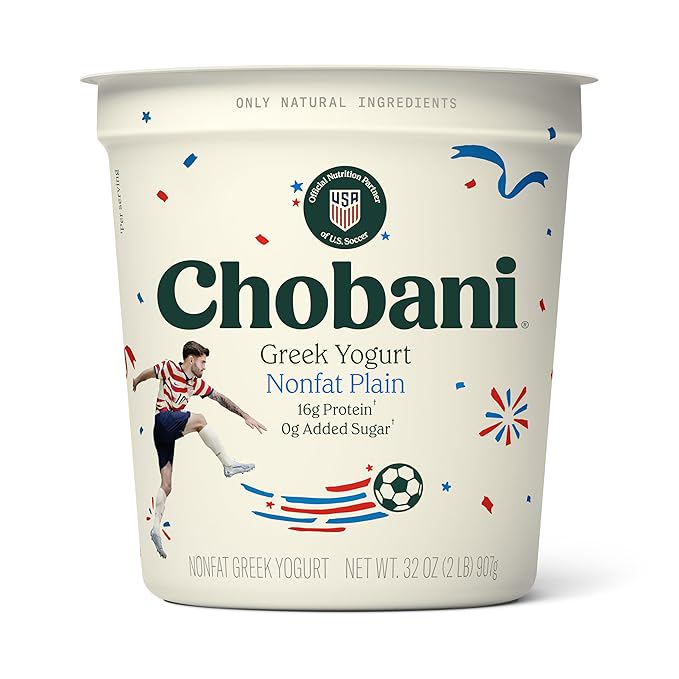
- Plain Greek yogurt with a handful of berries – Protein-rich yogurt buffers the natural sugars in fruit.
- Whole-grain crackers with half an avocado – Fiber and healthy fat keep insulin steady.
- A small handful of nuts with a piece of dark chocolate (70% cacao or higher) – Satisfies a sweet craving without a pure sugar hit.
You don’t need to give up sweetness. The key is that protein, fat, or fiber arrives at the same time as the sugar, so the body has to work harder and longer to digest the meal. That keeps the insulin response moderate and lowers the likelihood of an acne flare.
Beyond the Snack: The Bigger Picture
While this one habit is a common and overlooked trigger, it rarely acts in isolation. Sleep deprivation, chronic stress, and certain skincare products (especially heavy creams or oils used near the jawline) can all compound the problem. If you’ve cleaned up your snacking routine and still see breakouts after 8–12 weeks, it’s worth looking at the other factors.
For many adults, however, addressing the naked-snack habit alone produces a noticeable improvement within a few weeks. The skin along the jawline begins to settle; new breakouts become less inflamed and less frequent. It’s not an overnight fix, but it’s one of the most actionable changes you can make without a prescription.
Common Questions About Snacks and Jawline Acne
Does this mean I can never eat sugar again?
No. The issue is frequency and context. A piece of cake after a balanced meal with protein and vegetables will cause a much smaller insulin spike than eating that same cake alone as a mid-morning snack. Your body processes sugar differently when it’s part of a mixed meal.
Can dairy snacks also trigger jawline acne?
Yes, for some people. Dairy—especially skim milk and whey protein—can also raise IGF-1 levels. If you’re sensitive to dairy, that could be an additional factor. Try replacing a dairy-based snack (like a cheese stick or yogurt with added sugar) with a plant-based alternative and watch for changes after four weeks.
How long after changing my snacking will my skin improve?
Most people see initial improvement within two to three weeks, but full changes in skin-cell turnover and sebum production can take 6–12 weeks. Be consistent. The hormonal system responds to patterns, not single days.
The jawline is a sensitive barometer for internal balance. When you feed your body in a way that stabilizes insulin, you’re not just protecting your skin—you’re sending a signal of metabolic calm to your entire system. That single snack habit might be the easiest place to start.