You see it in the mirror. A raised, angry bump that wasn't there an hour ago. Your hand moves before your brain fully catches up. A quick squeeze, a tiny pop, and the immediate satisfaction of release.
That split-second action, however, often turns a short-lived pimple into a problem that lasts for weeks or months. Understanding the specific habit that causes this shift is the first step to breaking the cycle and protecting your skin.
The Specific Habit That Causes the Damage
It's not simply touching your face or accidentally brushing a blemish. The single most damaging picking habit is forced, premature extraction of the core — the act of squeezing or picking at a pimple that has not yet come to a natural, painless head.
When you force a breakout open, you bypass the skin's natural healing process. This causes a cascade of issues:
- Tissue trauma: Squeezing ruptures the follicle wall deep beneath the skin's surface. This spreads inflammatory material into the surrounding dermis.
- Increased inflammation: The body responds to this internal injury with more swelling and redness, making the blemish look worse than it originally did.
- Disrupted healing timeline: Instead of resolving in 3–7 days, the area now has to repair a small wound. This wound-healing process is slower and often leaves behind discoloration.
Why 'Just This Once' Always Feels Wrong
There's a well-known phenomenon in dermatology: picking never makes a pimple go away faster. It almost always lengthens the visible life of the mark. Here is why the logic of picking fails:
Lancing a pimple does not remove the bacteria and oil entirely. You typically only expel a fraction of the contents. The remaining material sits deeper, now with a small open channel where more bacteria can enter.
The result is a blemish that may appear flatter but is actually more inflamed underneath. This often leads to a secondary breakout in the same spot or a stubborn red or brown mark that lingers for weeks.
The Difference Between a Pimple and a Post-Inflammatory Mark
The immediate red spot you see after picking is not a new pimple. It's post-inflammatory erythema (PIE) in lighter skin tones or post-inflammatory hyperpigmentation (PIH) in darker skin tones. These marks are discoloration from inflammation, not active acne.
- PIE (red/pink marks): Caused by dilated or damaged blood vessels after inflammation. These can take 3–12 months to fade and require diligent sun protection.
- PIH (brown/dark marks): Caused by excess melanin production triggered by inflammation. These can last even longer without proper treatment.
Every time you pick, you are trading a short-lived pimple for a discoloration that can persist for months. This is the core trade-off that makes the habit so destructive.
How to Stop the Cycle
Breaking the picking habit requires replacing the action with a different response. Try these strategies the moment your hand goes toward a blemish:
- Apply a spot patch immediately. Cover the pimple with a hydrocolloid patch. This creates a physical barrier, absorbs excess fluid, and protects the area from your fingers. It also makes picking unsatisfying.
- Use ice for swelling. Wrap an ice cube in a clean cloth and hold it against the pimple for 60 seconds. This reduces inflammation and the urge to squeeze.
- Leave the bathroom. The mirror is a trigger. Step away, take a breath, and give yourself 10 minutes. The urge to pick often passes if you delay it.
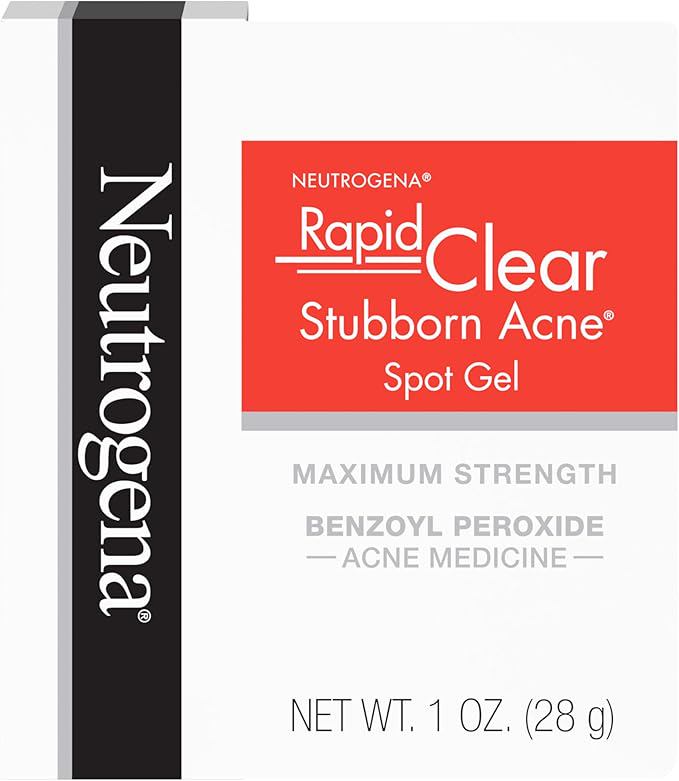
- Treat the root cause. Use a salicylic acid or benzoyl peroxide cleanser consistently to reduce inflammation before it reaches the picking stage.
When Professional Help Makes Sense
If you have a deep, painful cyst or a large nodule, home extraction is never safe. These types of blemishes lack a visible head and sit deep in the dermis. Squeezing them can cause severe scarring. A dermatologist can inject them with a corticosteroid to reduce inflammation in 24–48 hours safely.
For chronic picking that feels compulsive — where you find yourself picking at blemishes even when you know it's harmful — a therapist can help. This behavior, often related to skin picking disorder (excoriation), responds well to cognitive behavioral therapy (CBT) and habit-reversal training.
The single picking habit that turns a pimple into a long-lasting mark is premature, forceful extraction. By recognizing this trigger and replacing it with a gentle, hands-off approach, you can dramatically reduce the time your skin spends healing and lower your risk of permanent discoloration. Your skin's natural repair systems work best when you leave them alone.