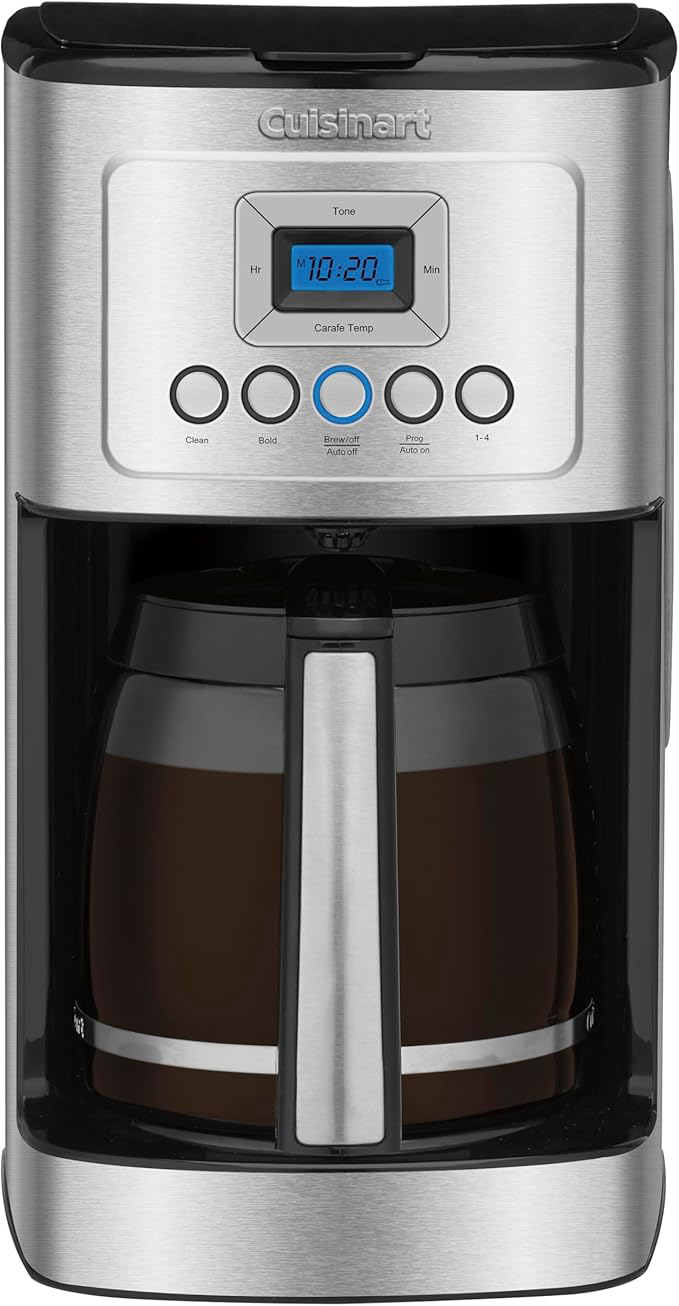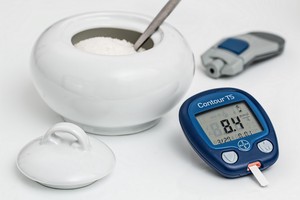

We know that how we start our morning often sets the tone for the rest of the day. For those managing weight or blood sugar concerns, the first food or drink we have can either help stabilize energy or send it on a rollercoaster. There’s one simple, research-backed morning beverage that may support both steady glucose levels and weight management: black coffee.
Before we get into the details, it’s important to say that no single drink is a magic solution. Sustainable weight management and balanced blood sugar depend on a combination of dietary patterns, physical activity, sleep, and stress management. But when it comes to a morning ritual, choosing the right drink can make a real difference.
Why Black Coffee Works for Blood Sugar and Weight
Black coffee—that is, coffee without added sugar, milk, cream, or flavored syrups—contains several bioactive compounds that may influence metabolism and glucose regulation. The key players are caffeine and a group of antioxidants called chlorogenic acids.
Caffeine’s Role in Energy Expenditure
Caffeine is a well-known stimulant that can temporarily boost metabolic rate, a process called thermogenesis. Research suggests that caffeine can increase energy expenditure by about 3–11%, with larger effects seen in lean individuals. For someone managing their weight, this modest bump in calorie burning can contribute to a calorie deficit over time. More importantly for blood sugar, caffeine can also influence how your body processes glucose—but the effect is not the same for everyone.
For some people, especially those who do not regularly consume caffeine, a morning cup may cause a temporary rise in blood sugar. However, for regular coffee drinkers, this effect tends to diminish. The long-term observational data consistently link regular coffee consumption with a lower risk of developing type 2 diabetes. The protective effect is thought to be related to the antioxidants and anti-inflammatory properties of coffee, not just the caffeine.
Chlorogenic Acids and Glucose Metabolism
Chlorogenic acids are polyphenol antioxidants found in high concentrations in coffee beans. These compounds have been shown to slow the absorption of carbohydrates from the digestive tract and improve insulin sensitivity. In practical terms, drinking black coffee with a meal may lead to a smaller, more gradual rise in blood sugar after eating. This is significant because sharp spikes in blood sugar are followed by crashes that can trigger hunger and cravings, making weight management harder.
Drinking black coffee before a meal may help blunt the post-meal glucose spike, but it should not replace a balanced breakfast or diabetes medication.
The Right Way to Drink It for Metabolic Benefits
To get the blood-sugar and weight-support benefits of coffee, how you drink it matters as much as that you drink it. Many coffee beverages at cafés or made at home are loaded with sugar, syrups, and full-fat dairy, which can completely negate any metabolic advantage.
- Skip the sugar and sweeteners. Even zero-calorie artificial sweeteners can trigger insulin release in some people and may disrupt the gut microbiome. If you need sweetness, consider a tiny amount of stevia or monk fruit, but aim to drink it plain.
- Go easy on the cream. A splash of unsweetened almond milk or a teaspoon of heavy cream is unlikely to cause problems, but a latte made with whole milk adds significant calories and carbohydrates. For weight and blood sugar goals, black is best.
- Time it right. Drinking coffee first thing on an empty stomach can be harsh for some people and may raise cortisol levels. Consider having your coffee with or after breakfast. If you practice intermittent fasting, black coffee is generally considered acceptable during the fasting window as it contains negligible calories.
- Limit to one or two cups. More than 400 mg of caffeine per day (about 4 cups of brewed coffee) can lead to anxiety, sleep disruption, and jitteriness, which are counterproductive for weight management and blood sugar control.
What About Decaf or Green Tea?
Decaffeinated coffee also contains chlorogenic acids, so it still offers some blood sugar benefits without the stimulating effects of caffeine. That makes it a good option for people who are sensitive to caffeine or who need to limit their intake. Green tea is another excellent morning beverage with a different set of antioxidants called catechins, which also support metabolism and glucose regulation. However, green tea generally contains less chlorogenic acid than coffee. Both are healthy choices, but if you are looking specifically for the chlorogenic acid benefit, black coffee is the stronger option.
Practical Takeaways for Your Morning Routine
If you currently drink a sugary coffee drink in the morning, switching to black coffee is one of the simplest dietary swaps you can make. You are likely to reduce your intake of added sugar and liquid calories significantly—and that alone can support weight loss. You may also notice that your energy feels steadier through the morning, without the mid-morning crash that sometimes follows a sweetened breakfast drink.
It is also worth noting that coffee is not for everyone. People with gastroesophageal reflux disease (GERD), anxiety disorders, or certain heart conditions may need to avoid caffeine. If you have diabetes or prediabetes, pay attention to how your body responds: some people experience a temporary rise in blood sugar after caffeine, while others do not. As with any dietary change, the best approach is to assess your own tolerance and, if you have a chronic condition, discuss it with your healthcare provider.
The bottom line is this: choosing a plain cup of black coffee as your morning beverage is a low-cost, evidence-informed strategy that may support both weight management and stable blood sugar. It is not a cure-all, but as part of an overall healthy diet, it can be a smart and enjoyable addition to your morning routine.