
You've just finished a lovely dinner together. The table is cleared, the wine glasses are empty, and you're looking forward to some intimate time. But instead of feeling close and connected, you feel bloated, sluggish, or just not in the mood. The conversation feels stilted, and the emotional connection you were hoping for seems out of reach.
It's a common scenario, and often, the culprit is something on your plate. There's one specific meal mistake that can quietly sabotage the communication and connection you share with your partner after dinner, especially when it comes to intimacy.
What is the one meal mistake that affects post-dinner connection?
The single biggest dietary blunder for post-dinner intimacy is eating a meal that is excessively heavy, rich, or high in unhealthy fats and refined carbohydrates just before you plan to be intimate. Think of a huge plate of pasta with creamy sauce, a deep-fried feast, or a heavy burger and fries. This kind of meal diverts a massive amount of blood flow to your digestive system to handle the workload. This leaves less blood flow available for other parts of your body—including your brain (for clear communication) and your genitals (for arousal).
Beyond the physical effects, a heavy meal can tank your mood and energy. The resulting blood sugar spike, followed by a crash, can leave you feeling irritable, tired, or mentally foggy. None of that is conducive to the kind of open, relaxed, and attentive conversation that builds intimacy.
How heavy meals specifically interfere with sexual communication
Physical discomfort kills the mood
When you're feeling uncomfortably full, bloated, or dealing with heartburn, your brain is focused on that physical distress. It is very difficult to be a good listener or to express your desires when you are preoccupied with how your stomach feels. Your body's stress signals are competing with your desire for connection.
Energy drain and mental fog
Digesting a large, heavy meal requires significant energy. Many people experience a distinct post-meal slump, often called a "food coma." This lethargy can kill motivation for anything more than collapsing on the couch. Effective sexual communication—whether it's initiating, setting a mood, or expressing a need—requires energy and presence. A heavy meal robs you of both.
Mood and irritability
There's a direct link between your gut and your brain, known as the gut-brain axis. A meal high in processed foods and sugar can trigger inflammation and destabilize your blood sugar, which can lead to irritability, anxiety, or a low mood. Approaching a partner from a state of irritation is a recipe for miscommunication, not connection.
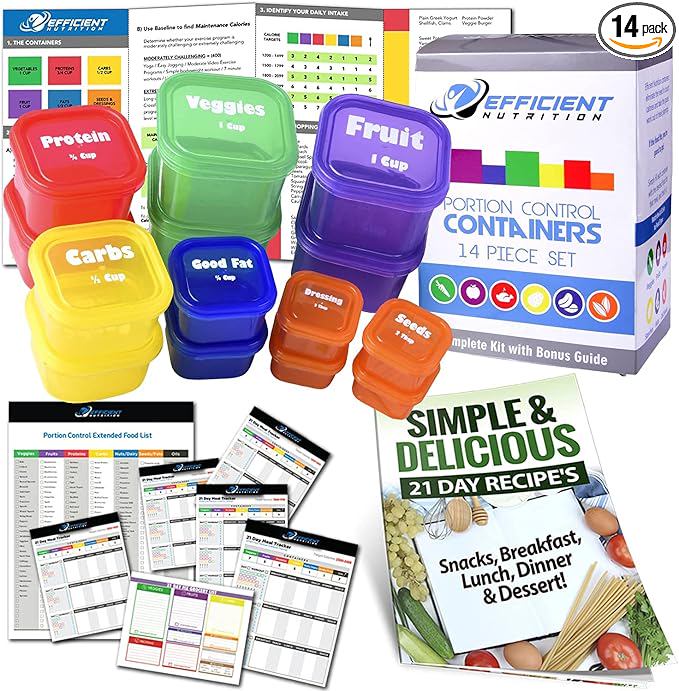
A simple shift: If you want a connected evening, keep your pre-intimacy meal light. Think a salad with grilled protein, a bowl of soup, or some vegetables with hummus. Save the heavy feasting for another night.
Better choices for intimacy-friendly dinners
This doesn't mean you can't enjoy a good meal before a romantic evening. It's about being strategic. The goal is to provide steady energy without overwhelming your system.
- Prioritize lean protein and vegetables: A piece of grilled fish or chicken with steamed or roasted vegetables is easy to digest and won't weigh you down.
- Include healthy fats: A small amount of avocado or a drizzle of olive oil can support hormone production without causing digestive distress.
- Watch the portion size: Even healthy food can be a problem if you eat too much of it. Aim for a satisfying but not stuffed feeling.
- Limit alcohol: While a glass of wine can be relaxing for some, too much alcohol is a depressant and can significantly impair clear communication and sexual function.
When to eat for best connection
Timing is just as important as what you eat. Avoid eating a large meal within two hours of when you hope to be intimate. This gives your body enough time to move past the initial, most active digestive phase. A light snack (like a handful of almonds or a piece of fruit) is fine much closer to the time.
Ultimately, being thoughtful about your pre-intimacy meal is a form of care for your own body and for the quality of your shared time. It creates the physical and mental conditions that make open, honest, and playful communication easier. The connection you share after dinner can be stronger when you aren't fighting your own digestion.