You’ve waited out the pimple. Now you’re stuck with the stubborn red mark it left behind. Post-inflammatory erythema (the medical term for that flat, pink-to-red spot) can linger for weeks or even months. While topical ingredients like niacinamide and azelaic acid get most of the attention, dietitians point to one surprisingly simple food component that may help calm the redness from the inside out: lycopene.
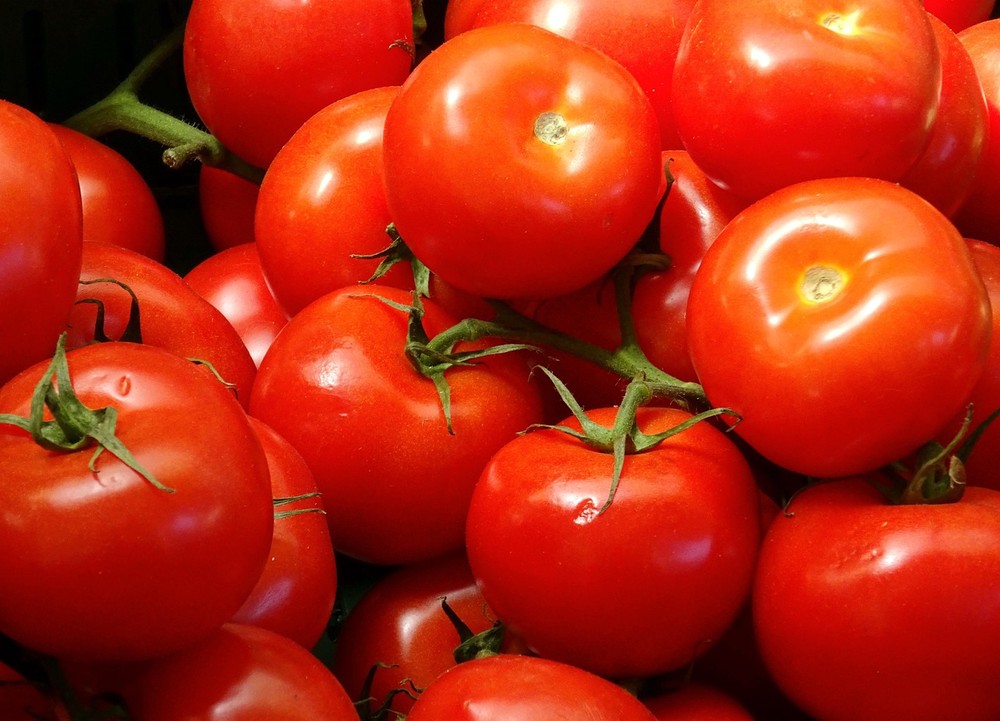
Lycopene is a carotenoid pigment responsible for the red color of tomatoes, watermelon, pink grapefruit, and guava. It’s also a potent antioxidant with an unusual ability to support blood vessels and reduce inflammation—two factors directly involved in post-acne redness. Here’s what the research says and how to add more of it to your meals without overhauling your diet.
Why post-acne redness happens
When a pimple forms, your immune system sends blood and inflammatory cells to the area to fight bacteria and heal tissue. After the lesion resolves, the blood vessels in that spot can remain dilated, leaving a visible red or pink mark. Unlike true scarring (which involves textural changes), post-inflammatory erythema is a vascular issue. Anything that helps blood vessels return to their normal tone and reduces lingering inflammation can theoretically shorten the lifespan of those marks.
How lycopene targets redness
Lycopene’s anti-inflammatory and vasoprotective properties are well-documented. It scavenges free radicals that can worsen inflammation and has been shown to inhibit the activity of certain inflammatory signaling molecules, such as interleukin-6 (IL-6) and tumor necrosis factor-alpha (TNF-α). In the context of skin recovery, lower systemic inflammation means less background redness and a more efficient healing process.
A 2021 review in Nutrients highlighted lycopene as a promising compound for mitigating UV-induced skin damage and supporting dermal health, partly due to its ability to strengthen the integrity of microvessels. While direct clinical trials on lycopene and post-acne redness are still limited, dermatologists and dietitians often recommend it because its mechanism aligns with the biology of the problem.
“Think of lycopene as a shield for your capillaries. It helps them ‘shrink back’ to normal size after the immune response winds down, which is exactly what we need for those red spots,” explains registered dietitian nutritionist Jenna Volpe, RDN, LD, CLT.
How much do you actually need?
There’s no official daily recommended intake for lycopene, but research suggests benefits at around 10–30 milligrams per day. For reference:
- 1 cup of cooked tomato puree has about 25–30 mg
- 1 medium raw tomato has roughly 3–5 mg
- ½ cup of watermelon contains about 6–9 mg
- ½ cup of pink grapefruit provides around 2–4 mg
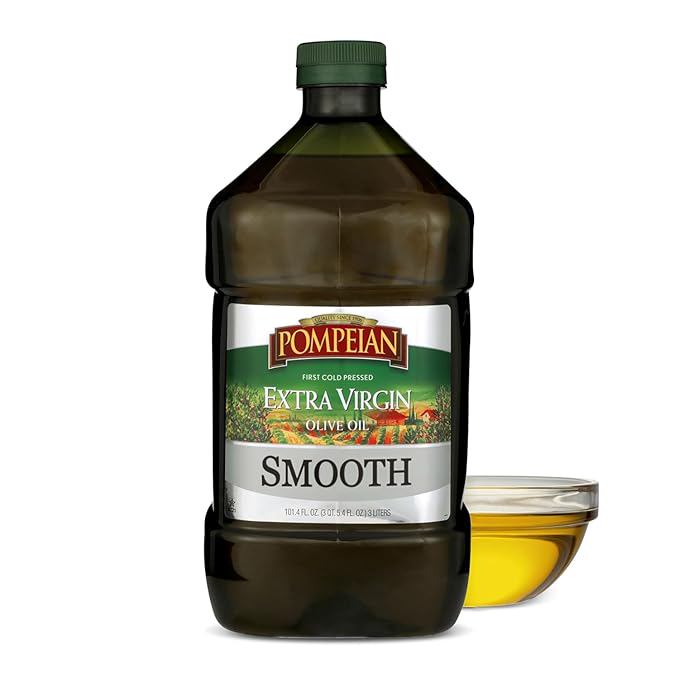
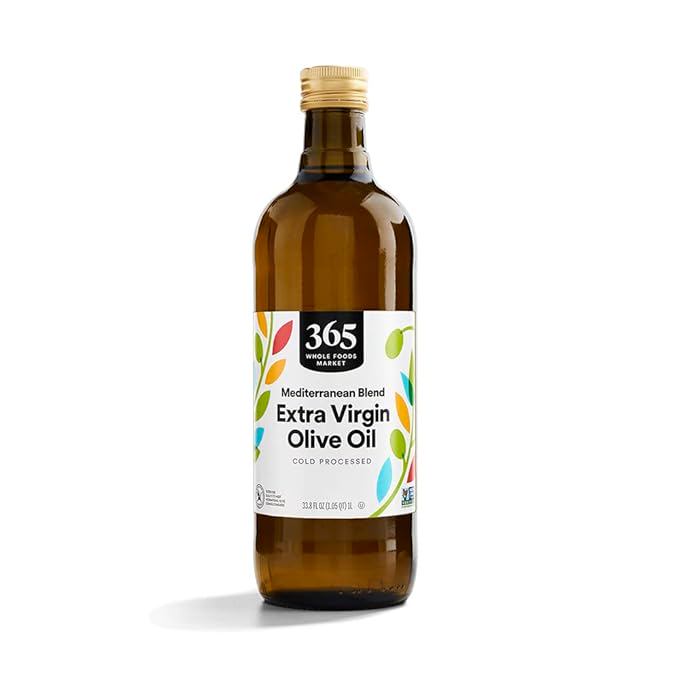
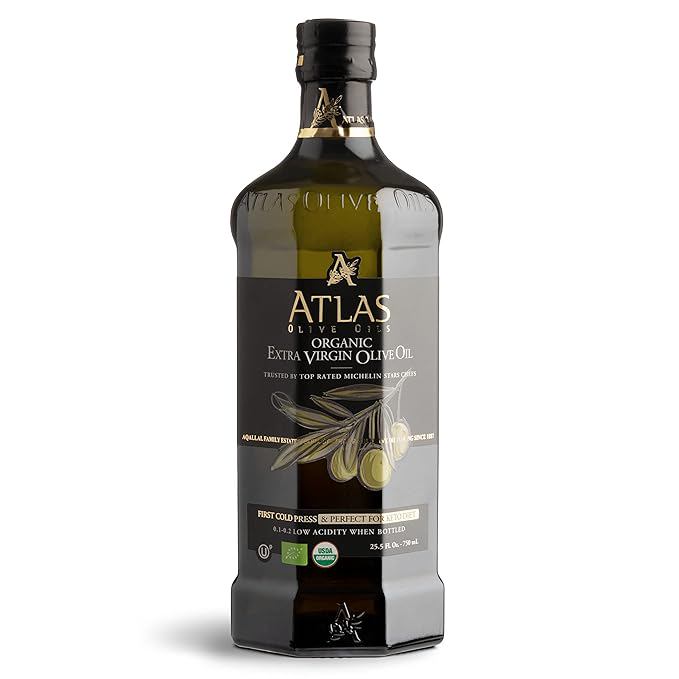
Importantly, lycopene is fat-soluble, meaning your body absorbs it far better when it’s eaten with a little fat. A drizzle of olive oil on roasted tomatoes, a few slices of avocado with watermelon, or a dollop of yogurt on a tomato-based soup can significantly boost absorption.
Why cooked tomatoes beat raw ones for this purpose
Cooking breaks down the plant cell walls and converts lycopene into a more bioavailable form called cis-lycopene. A 2018 study in the Journal of Food Science reported that heating tomatoes for 30 minutes increases the body’s ability to absorb lycopene by up to 55%. That’s why dietitians often recommend tomato sauce, tomato paste, or roasted tomatoes as a practical way to get a concentrated dose. Pair them with a source of healthy fat—olive oil, sunflower seeds, nuts—and you have a redness-fighting meal.
Top easy sources beyond tomatoes
- Watermelon. It’s a summer staple that’s low in sugar compared to many fruits and provides a decent lycopene hit. The pinker the flesh, the better.
- Pink grapefruit. Different from white grapefruit in its antioxidant profile. If you take medications, ask your pharmacist about grapefruit interactions first.
- Guava. Among the most lycopene-dense fruits—one cup of raw pink guava can contain nearly as much as a cup of cooked tomato paste.
- Red bell peppers (cooked). They’re not as high in lycopene as tomatoes, but they still contribute a meaningful amount when roasted or sautéed.
A sample meal strategy
You don’t need elaborate recipes. A simple approach: start your day with a bowl of cubed watermelon and a handful of almonds (fat + lycopene). For lunch, have a lentil soup with a generous dollop of tomato paste stirred in, finished with a drizzle of extra-virgin olive oil. At dinner, serve roasted cherry tomatoes as a side dish with salmon and a green salad. Throughout the week, aim for a tomato-based dish at least four times.
Supplement vs. food: what dietitians say
Most dietitians advise getting lycopene from whole foods rather than supplements, because whole fruits and vegetables also deliver fiber, vitamin C, potassium, and other phytochemicals that support overall skin health. Lycopene supplements do exist, but their absorption can be inconsistent, and high-dose long-term safety data is limited. Stick with food unless a healthcare provider specifically recommends a supplement for another condition.
“I almost never recommend a lycopene supplement for skin redness alone,” says Volpe. “A few servings of cooked tomatoes per week, combined with a consistent topical routine, is usually enough to see a difference over the course of a few months.”
How long before you see results?
Reducing post-acne redness is a slow process—diet alone won’t erase marks overnight. Most dietitians suggest giving a lycopene-rich pattern about 8 to 12 weeks before judging its effect. You may notice that new red spots fade more quickly and old ones appear less vibrant. Consistency matters more than quantity.
Additional considerations
Lycopene works best as part of an overall anti-inflammatory diet. Processed foods, high-glycemic carbs, and dairy can trigger inflammation and acne in some people, potentially canceling out the benefits. A pattern rich in vegetables, whole grains, lean protein, and healthy fats creates a baseline environment where lycopene’s effects can actually shine.
Also remember that sun exposure can darken post-acne marks, worsening their appearance. Sunscreen (at least SPF 30) remains non-negotiable if you want those red spots to fade evenly.
Eating for your skin doesn’t have to be complicated. One ingredient—lycopene from common red foods—offers a research-backed, accessible way to nudge your body toward faster resolution of post-acne redness. Pair it with sun protection and a simple topical routine, and you’re giving your skin the best shot at an even, calm tone.