
You wash your face every day, sometimes twice. You might even follow a multi-step routine. So why do those stubborn blackheads on your nose and chin suddenly turn into angry, red pimples? The answer might be hiding in a single, everyday habit that feels right but is actually working against your skin.
Many people with acne-prone or combination skin treat blackheads as a sign that their face is dirty. The natural response is to scrub harder, use stronger products, or wash more often. But this instinct often backfires. The most common daily cleansing mistake that transforms comedones (clogged pores) into inflammatory acne is over-cleansing or using an overly harsh cleanser.
Why Over-Cleansing Turns Blackheads Into Breakouts
Blackheads are open comedones. They form when a pore fills with sebum (oil) and dead skin cells. The top remains open, so the contents oxidize and turn dark. They are a non-inflammatory type of acne. A breakout, or an inflammatory pimple (papule, pustule), occurs when bacteria get trapped inside that clogged pore, triggering the immune system.
Here is where the mistake happens. When you strip your skin of its natural oils with a harsh foaming cleanser, a scrub, or by washing too frequently, your skin barrier gets damaged. In response, your skin goes into defense mode. It produces even more oil to compensate for the dryness. This excess oil fills your existing blackheads faster and creates new clogs. More importantly, the damaged barrier allows bacteria like Cutibacterium acnes to enter the pore more easily. What was once a stable blackhead becomes a breeding ground for inflammation.
The short version: Harsh cleansing damages the skin barrier, causing more oil and more inflammation — turning non-inflamed blackheads into inflamed pimples.
Signs You Are Using the Wrong Cleanser or Washing Too Much
Not everyone who washes their face makes this mistake. Here are the specific signs that your daily cleansing routine is triggering breakouts from blackheads:
- Tight, squeaky-clean feeling: If your skin feels tight or like it’s being stretched right after washing, the cleanser is too stripping. A healthy skin barrier should feel comfortable and slightly hydrated after cleansing.
- Increase in whiteheads alongside blackheads: If you suddenly see small white bumps (closed comedones) or red bumps near your blackheads, it’s a sign the barrier is compromised.
- Flaking or redness on top of oiliness: You can have both oily skin and a damaged moisture barrier. If your T-zone is shiny but the cheeks or sides of the nose are flaky, you are likely over-cleansing.
- Routine is too aggressive: Using a physical scrub, a clay mask, or a salicylic acid wash every single day can easily push skin from stable congestion to inflammatory breakouts.
How to Cleanse Correctly to Stop the Cycle
The solution is not to stop washing your face. It’s to change how you wash. Here are three steps to fix the mistake and keep blackheads from turning into breakouts.
1. Choose a Gentle, Non-Stripping Cleanser
Switch from a high-foam, sulfate-based cleanser to a cream, gel, or milky cleanser with a pH around 5.5. Look for words like “hydrating,” “gentle,” or “soothing.” Ingredients like glycerin, ceramides, or niacinamide can help maintain the barrier while still removing dirt and excess oil.
2. Wash Only Twice a Day
Unless you sweat heavily or wear heavy makeup, washing once in the morning and once in the evening is sufficient. Overwashing, even with a gentle cleanser, can strip the skin. Skip the midday wash unless you are very oily; a splash of water or a gentle toner is usually enough.
3. Use Targeted Exfoliation, Not Daily Scrubbing
To address existing blackheads, use a chemical exfoliant with salicylic acid (BHA) — but only 2–3 times per week, not daily. Apply it after cleansing and before moisturizer. This keeps pores clear without damaging the protective layer. Avoid combining a physical scrub with a chemical exfoliant on the same day.
A practical rule: If your cleanser makes your face feel like you just washed a dish, it is too harsh. You want a cleanser that leaves skin feeling clean but calm.
Supporting Your Skin Barrier Once It’s Damaged
If you have already been over-cleansing and are seeing breakouts emerge from blackheads, your skin barrier needs help. Introduce a simple moisturizer with barrier-repairing ingredients like squalane, shea butter, or panthenol. For oily or acne-prone skin, opt for a lightweight gel or lotion. This step is not optional — a repaired barrier is the only way to stop the vicious cycle of stripping and reacting.
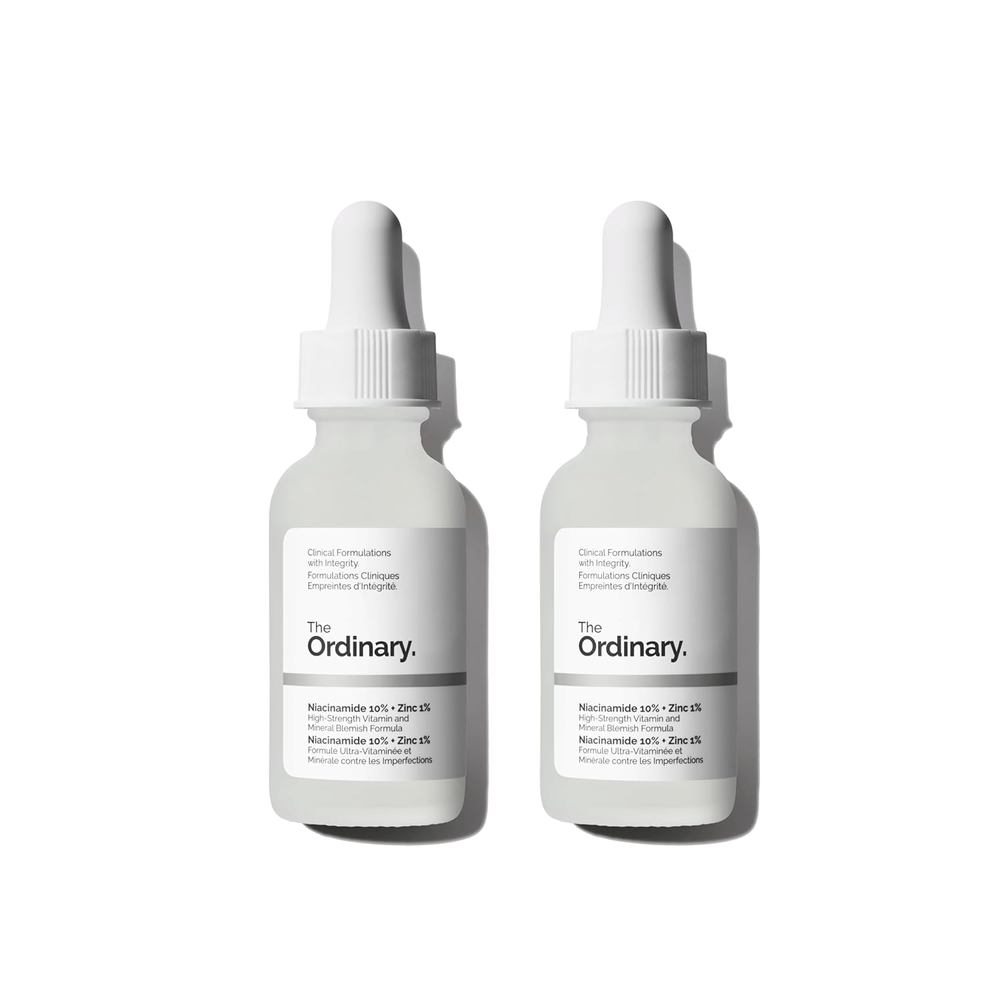
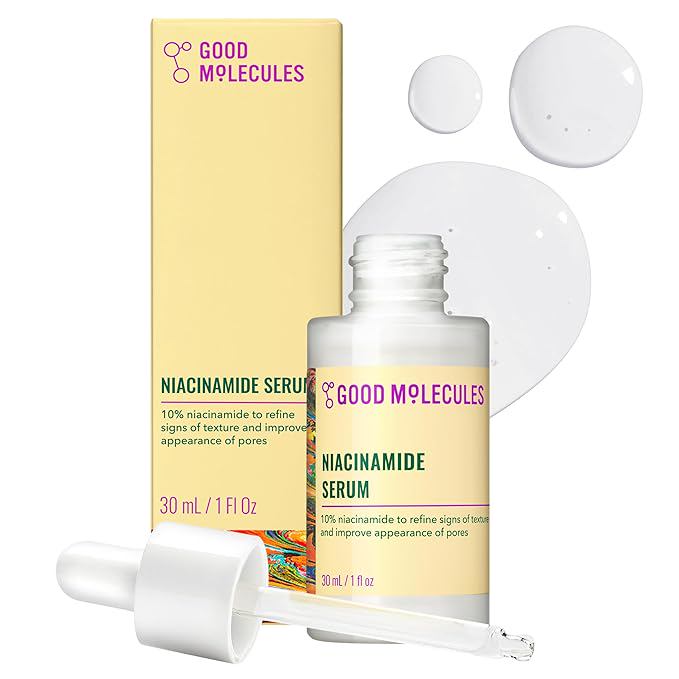
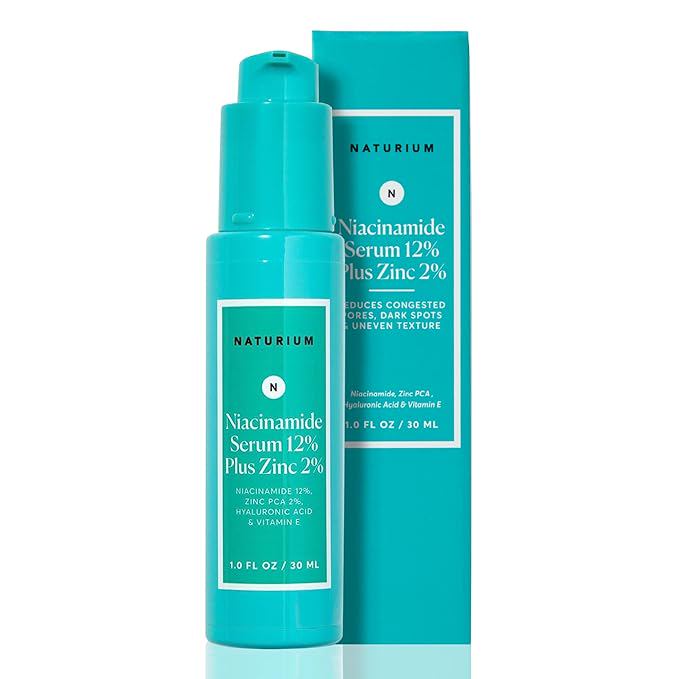
You can also incorporate a niacinamide serum (2–5%) into your routine. Niacinamide helps regulate oil production and reduce inflammation without clogging pores. It acts as a bridge between treating blackheads and calming inflammatory pimples.
When to See a Dermatologist
Many cases of blackheads turning into breakouts can be resolved by fixing the cleansing routine and supporting the barrier. However, if you notice deep, painful cysts, widespread inflammation, or if the breakouts persist for weeks after adjusting your routine, professional help is warranted. A board-certified dermatologist can assess whether you need a prescription retinoid (like tretinoin) or an anti-inflammatory treatment that is too strong for over-the-counter products.
The goal is not to have a squeaky-clean face; it is to have a balanced, healthy barrier that keeps blackheads stable and breakouts at bay. A single, mindful change in your daily wash can make all the difference.