
Chin acne has a way of lingering, doesn't it? You treat the breakout, it fades slightly, and then a new crop appears right next to the healing spot. If this cycle sounds familiar, the problem might not be the acne itself — it could be a simple but forceful mistake you're making during your evening cleanse.
Many people scrub their chin aggressively, thinking that hard friction will exfoliate blocked pores. In reality, this motion does the opposite: it spreads bacteria across the jawline and chin, pushing C. acnes deeper into surrounding follicles. The result? More inflammation, more marks, and a stubborn rash of breakouts that keep returning in the same zone.
What is the cleansing mistake that causes this cycle?
The error is scrubbing or rubbing the chin and jawline with abrasive tools — rough washcloths, gritty scrubs, or silicone brushes pressed too hard — while you cleanse. Unlike your T-zone, the chin has thinner skin that's constantly irritated by talking, eating, and resting your face on your hand. Adding friction to irritated skin breaks down the barrier and spreads surface bacteria like wildfire.
Think of it this way: each scrub pushes bacteria into a fresh opening, whether it's a microscopic crack or a slightly enlarged pore. Once Propionibacterium acnes and Staphylococcus epidermidis get pushed in, your immune system responds with inflammation — and dark spots, known as post-inflammatory hyperpigmentation, often follow in deeper skin tones.
Stop scrubbing your chin as if you're scrubbing a pot. Use gentle pressure and let cleanser chemistry do the work.
How do bacteria actually spread during washing?
Your hands or cloth become a vector. If you touch the chin area while there are active breakouts, the bacteria-laden residue gets transferred to a cloth or your fingertips. Then, as you continue washing, you drag that residue across healthy pores on the sides of your chin and along the jawline. This contamination creates satellite breakouts — small new pimples that pop up within inches of the original spot.
Bacteria also get trapped if you use a cleansing tool that you haven't sanitized. Loofahs, sponge brushes, and sonic devices harbor microbial growth inside their textured surfaces. When you press them into active chin acne, you are essentially inoculating the tool with bacteria and painting it onto the next clean area.
Three steps to break the spread cycle
- Use your fingertips, not tools. The cleanest tool is a pair of freshly washed hands. Pulse the cleanser in small circles using the pads of your fingers — no digging in with fingernails or knuckles.
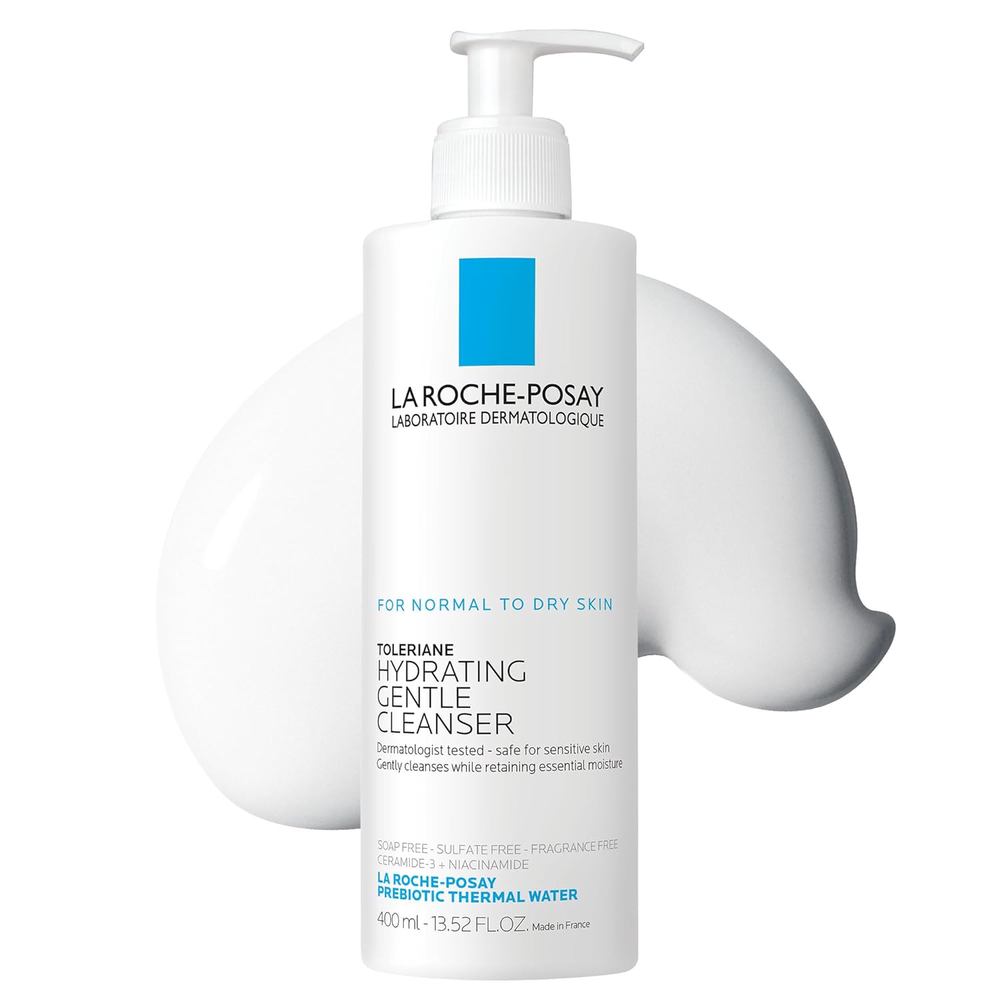
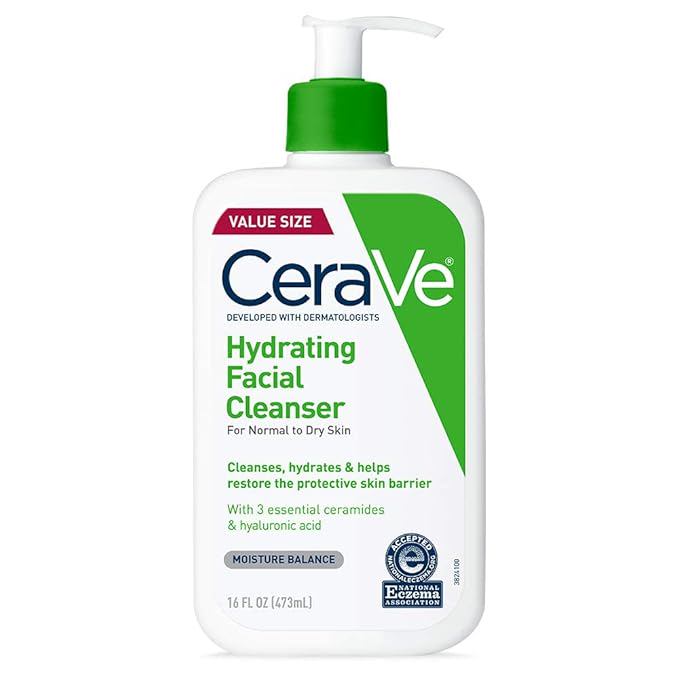
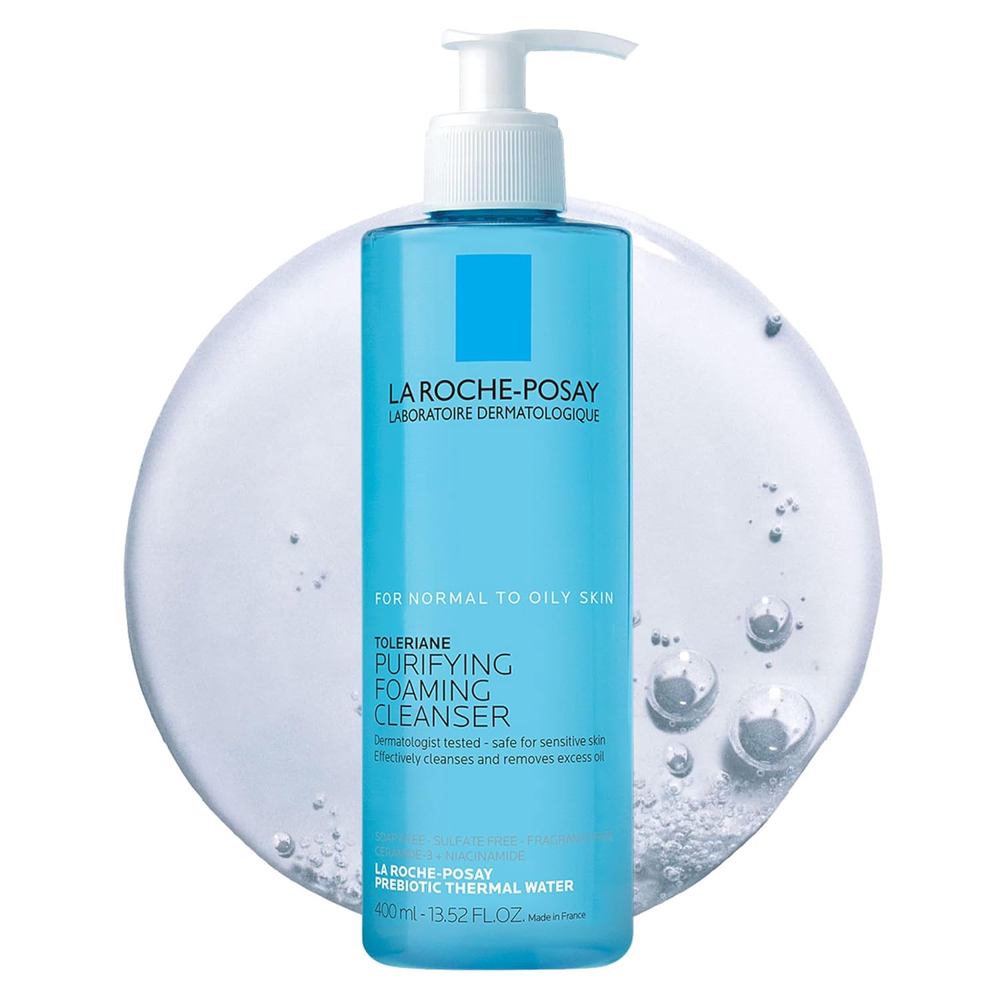
- Choose a non-abrasive, non-stripping cleanser. A gentle foaming or gel cleanser with salicylic acid or azelaic acid works without requiring friction. Let the active ingredients dissolve excess oil while you use light, upward motions.
- Rinse thoroughly and pat dry. Don't wipe your chin with the same towel you used on your body. Use a separate clean, soft face towel and pat rather than rub. Rubbing re-initiates the bacterial spread immediately after washing.
A note on exfoliation
If you need to exfoliate the chin area, use chemical exfoliation (lactic acid or mandelic acid serums) instead of physical scrubs. Scrubs with jagged particles like walnut shells or crushed apricot pits cause micro-tears in the skin, which become infection sites. Stick to chemical methods once or twice a week, and never on an active pustule.
Why do healed breakouts leave dark marks?
The dark spots you see after a chin pimple resolves are called post-inflammatory hyperpigmentation (PIH). When bacteria trigger inflammation, your melanocytes overproduce pigment as part of the healing response. If you scrubbed or picked at the original bump, the inflammation lasts longer and the mark becomes darker and slower to fade.
The chin and jawline are also high-movement zones. Every time you talk or eat, the skin flexes, and that constant micro-motion can slow down healing compared to a static area like the forehead. This is why marks on the chin tend to stick around for months if you don't stop the rough treatment.
Can you already see marks forming?
If you already have red or brown patches on your chin, shifting to a gentle cleansing approach is your first step. Next, use melanin-normalizing ingredients such as niacinamide or vitamin C serum in your morning routine — but only after confirming that the breakout itself is gone. Applying an active serum over an open lesion can worsen irritation.
Sunscreen is non-negotiable here. Without daily broad-spectrum SPF 30 or higher, UV rays will darken those spots and make them more visible, regardless of how carefully you cleanse.
The single act of changing how you wash your chin — from scrubbing to gentle, attentive cleansing — can break a frustrating cycle. Bacteria, marks, and lingering breakouts often disappear when you stop treating the chin like a tough surface and start treating it like the thin, reactive skin it actually is.