Waking up to a new, angry cystic breakout can feel defeating. You're doing your skincare routine, you're avoiding harsh products, and yet those deep, painful bumps keep coming. While your serum or cleanser gets a lot of attention, the real culprit might be hiding in plain sight on your breakfast plate. Dietitians who specialize in skin health are pointing to one specific morning swap that can directly influence the hormonal and inflammatory pathways behind cystic acne.
That swap is simple: replacing a high-glycemic, sugar-heavy breakfast with a protein-first, savory option. Think ditching the sugary oatmeal packet, the pasty bagel, or the fruit-loaded smoothie and choosing eggs, vegetables, or a tofu scramble instead. Here’s why this matters for your skin and how to make the transition without feeling deprived.
Why Your Morning Meal Triggers Cystic Breakouts
Cystic acne is different from a surface whitehead. It forms deep within the skin due to a combination of excess sebum, bacteria, and—most crucially—inflammation. Diet plays a powerful role in driving that internal fire. When you eat a breakfast high in refined carbohydrates and sugar (cereal, white toast, granola, juice), your blood sugar spikes rapidly. In response, your body releases a surge of insulin and insulin-like growth factor 1 (IGF-1).
High insulin and IGF-1 levels are a well-documented signal to your sebaceous glands: produce more oil. This hormone cascade also tells your liver to pump out more androgen hormones, which further stimulates oil production and encourages skin cells to grow too quickly. The result? Pores get clogged more easily, and bacteria thrive in that oily environment. Add the fact that sugar promotes systemic inflammation, and you have a perfect storm for a cyst to form deep under the skin.
“For patients with stubborn cystic acne, the single most impactful dietary change I recommend is moving away from a carb-heavy breakfast and toward one rich in protein and healthy fats,” says registered dietitian Maya Feller, RD. “It stabilizes blood sugar for the rest of the day.”
The Breakfast Swap That Works
The swap is more of a category shift than a single food. The high-glycemic breakfast (cereal, toast with jam, pancakes, sugary yogurt, fruit juice) is replaced by a protein-forward meal that includes vegetables or fiber-rich greens. The goal is to keep your blood sugar curve flat and your insulin response muted.
What to Avoid
- Refined grains: White bread, bagels, croissants, and instant oatmeal.
- Added sugars: Flavored yogurts, breakfast bars, granola, most cold cereals.
- Juice and smoothie bowls: Liquid sugar hits the bloodstream fast, spiking insulin even if the fruit is 'natural'.
What to Choose Instead
- Eggs or egg whites with sautéed spinach, mushrooms, and bell peppers.
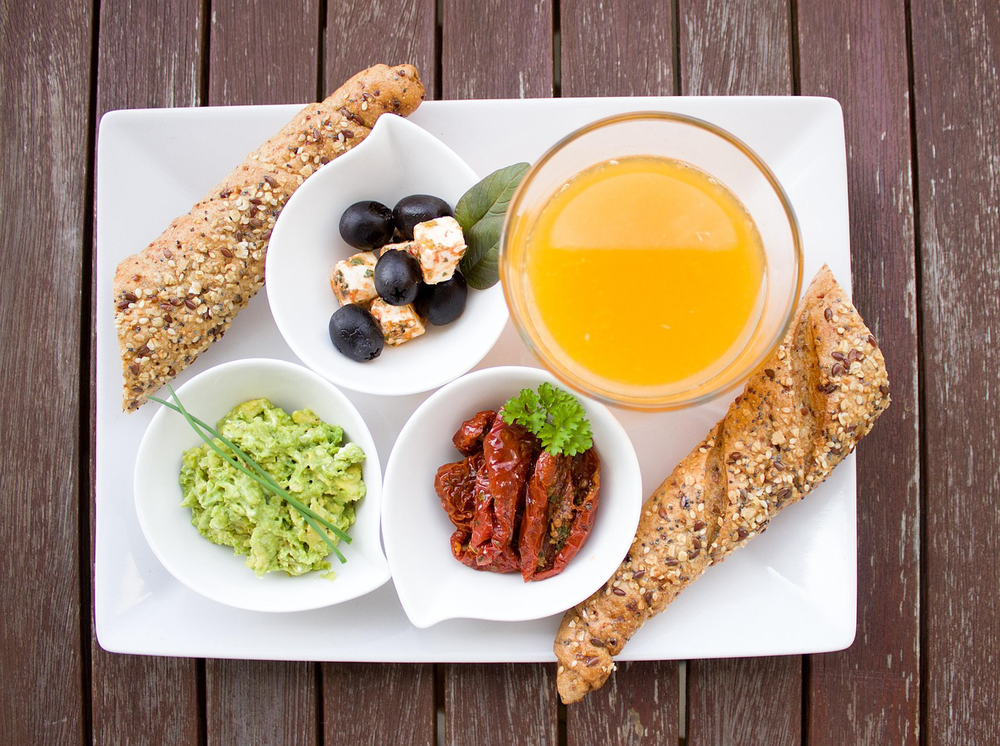
- Smoked salmon or sardines on a slice of whole-grain rye with avocado.
- Tofu or tempeh scramble with turmeric and dark leafy greens.
- Leftover dinner proteins — chicken, beef, or lentils paired with roasted vegetables.
The key addition is a non-starchy vegetable (spinach, kale, zucchini, peppers, broccoli) at breakfast. This provides fiber, which slows down glucose absorption and feeds good gut bacteria. A healthy gut microbiome is increasingly linked to lower skin inflammation.
What the Science Says About Protein, Fat, and Acne
Research comparing high-glycemic diets to low-glycemic diets consistently shows fewer acne lesions in the low-glycemic groups. A 2021 systematic review in the Journal of the Academy of Nutrition and Dietetics found that dietary interventions lowering the glycemic load reduced acne lesion counts, especially in moderate-to-severe cases. Cystic acne, being the most inflammatory form, benefits most from steady blood sugar.
Healthy fats also play a role. Omega-3 fatty acids found in eggs, fish (especially salmon and mackerel), walnuts, and flaxseeds are anti-inflammatory. They can help reduce the PGE2 pathway that drives swelling and redness around a cyst. Pairing protein with healthy fat also increases satiety, which can prevent mid-morning cravings for another sugary snack that would spike insulin again.
How to Make the Transition Without Feeling Hungry or Bored
Many people avoid a savory breakfast because they think it takes too long or they miss the comfort of a sweet morning meal. Here are three practical ways to make the swap stick.
- Prep a protein-veggie mix in advance. Cook a batch of scrambled eggs with peppers and onions on Sunday. Reheat in 90 seconds each morning. Add a slice of sprouted grain toast with avocado for extra staying power.
- Make a savory breakfast bowl. Use leftover quinoa or lentils as a base. Top with a fried egg, sautéed greens, a handful of cherry tomatoes, and a drizzle of olive oil. You get a fiber-rich, protein-packed bowl that tastes satisfying.
- If you crave sweet, go for a whole-fruit option with fat and protein. Have a small apple or a handful of berries paired with plain full-fat Greek yogurt and a tablespoon of nut butter. The fat and protein buffer the sugar impact, and the yogurt provides probiotics that support skin health.
It is worth mentioning that dairy is a trigger for some people, particularly skim milk which tends to spike IGF-1 more than full-fat dairy. If you suspect dairy aggravates your cysts, try swapping cow’s milk yogurt for a coconut or oat-based yogurt (unsweetened) for a few weeks.
Other Morning Habits That Support Clear Skin
The breakfast swap is a powerful lever, but it works best as part of a broader morning routine. Drinking a glass of water before coffee helps rehydrate skin cells. Getting at least 15 minutes of direct sunlight (or taking vitamin D if you cannot) supports immune function and reduces inflammation. And finally, managing morning stress — even three minutes of deep breathing before you check your phone — lowers cortisol, another hormone that can stimulate oil production.
A final word of caution: Cystic acne is a medical condition, and diet is just one piece of the puzzle. Some cases require prescription treatment or professional extraction. This breakfast swap is a supportive lifestyle change, not a cure. If your cysts persist or worsen, please consult a board-certified dermatologist for a comprehensive plan.