Wrinkles are a natural part of the human story, etched into our skin by time, expression, and environment. While they can be a source of concern for many, understanding their origins is the first step toward making informed decisions about your skin. This guide walks you through the practical science of why wrinkles form and outlines the professional treatment landscape, separating realistic expectations from marketing hype.
Think of your skin’s support system like a mattress. The top layer, the epidermis, is the quilt. Beneath it, the dermis is the spring coil—a network of collagen and elastin fibers that provides bounce and structure. Over time, those springs can weaken and the padding can thin. Wrinkles are the visible result of this gradual process, influenced by a combination of unavoidable biology and modifiable lifestyle factors.
What Actually Causes Wrinkles?
Wrinkles don’t appear from a single source. They are the cumulative effect of several processes working in tandem.
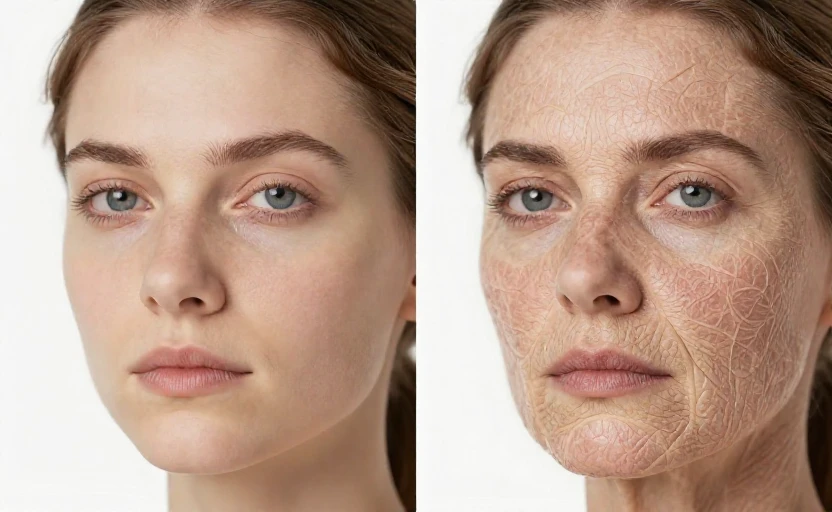
Intrinsic Aging: This is your genetic biological clock. Starting in our mid-20s, collagen production slows by about 1% each year. Elastin fibers lose their snap, and the skin’s natural production of hyaluronic acid—a molecule that holds vast amounts of water for plumpness—diminishes. The result is skin that becomes thinner, drier, and less resilient, leading to finer lines and gradual sagging.
Photoaging: This is aging accelerated by ultraviolet (UV) radiation from the sun. It’s responsible for up to 90% of visible skin changes. UV rays penetrate the dermis, breaking down collagen and elastin at a much faster rate than intrinsic aging alone. They also generate unstable molecules called free radicals, which cause further cellular damage. Photoaging leads to deeper wrinkles, pronounced leathery texture, and pigmentation changes. This is the most significant controllable factor in wrinkle development.
Facial Muscle Movement: Every smile, frown, and squint creates a temporary groove under the skin. As skin loses elasticity with age, these grooves don’t spring back as easily and become permanently etched as expression lines—think crow’s feet, forehead lines, and the “11s” between the brows.
Other Contributing Factors: Repetitive sleeping positions can create sleep lines. Environmental pollutants can increase oxidative stress. Smoking significantly reduces blood flow to the skin and damages collagen. Significant, rapid weight loss can leave skin looser. Even gravity exerts a constant, slow pull on our facial structures over decades.
The single most effective anti-wrinkle strategy is consistent, broad-spectrum sun protection, starting as early as possible.
Professional Wrinkle Treatments: A Realistic Overview
The world of professional treatments can feel overwhelming. They generally fall into two categories: those that work on the skin’s surface (topical and superficial) and those that target the deeper structural layers. A good dermatologist or licensed practitioner will often recommend a combination approach.
Topical Prescription Treatments
These are applied at home but require a professional’s guidance.
- Retinoids (like Tretinoin): The gold standard in topical anti-aging. They work by speeding up cell turnover, stimulating new collagen production, and fading pigmentation. They require a prescription and can cause initial dryness and sensitivity. Consistency over months is key to seeing results.
- Vitamin C Serums: A potent antioxidant that helps neutralize free radicals from UV exposure and can brighten skin tone. Professional-grade formulas are typically more stable and effective than over-the-counter options.
In-Office Procedures
These treatments offer more dramatic results by delivering energy or substances deeper into the skin.
Injectables (Neuromodulators & Fillers):
- Neuromodulators (e.g., Botox, Dysport): These relax the specific facial muscles responsible for dynamic expression lines (like forehead wrinkles and crow’s feet). The effect is a smoothing of existing lines and prevention of them deepening. Results last 3-4 months.
- Dermal Fillers (Hyaluronic Acid based): These are gels used to restore volume, lift sagging contours, and fill in static wrinkles that are present at rest (like nasolabial folds or marionette lines). They can also enhance lip shape and cheek definition. Results typically last 6-18 months, depending on the product and area.
Energy-Based & Resurfacing Treatments:
- Chemical Peels: A controlled application of an acid solution to exfoliate the outer layers of skin, improving texture, tone, and fine lines. Depth can vary from light to deep, with corresponding downtime.
- Laser Resurfacing (Ablative & Non-Ablative): Lasers deliver concentrated light to remove damaged outer skin (ablative) or heat the underlying dermis to stimulate collagen without damaging the surface (non-ablative). They can address wrinkles, scars, and sun damage. Ablative lasers (like CO2) offer significant results with longer recovery.
- Radiofrequency & Microneedling: Devices like radiofrequency microneedling create tiny, controlled injuries in the dermis to trigger a powerful healing and collagen-building response. This improves skin tightness, texture, and fine lines with minimal surface damage.
Building a Practical, Proactive Approach
An effective long-term strategy is built on a foundation of prevention and maintenance, with professional treatments serving as powerful enhancements.
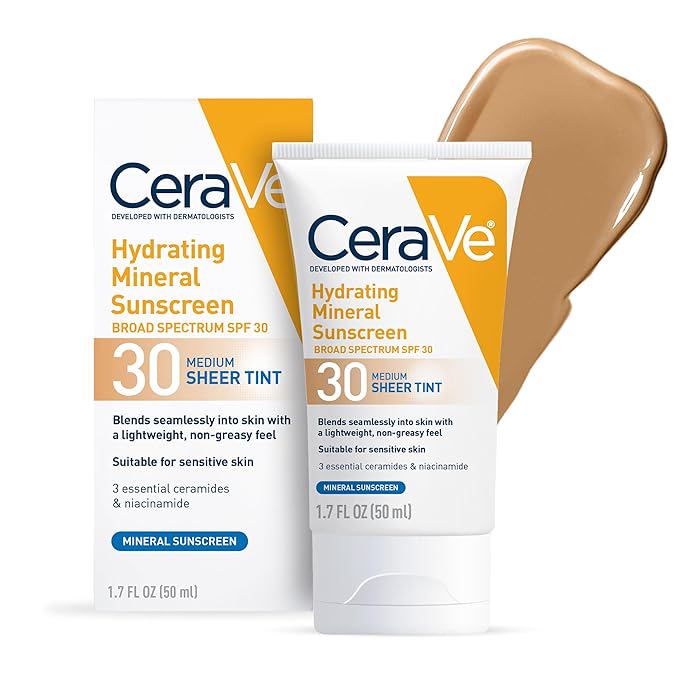
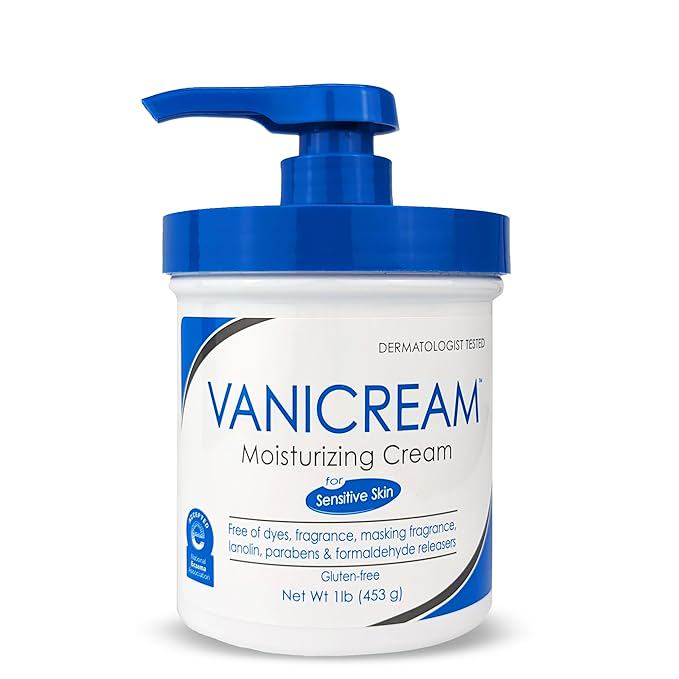
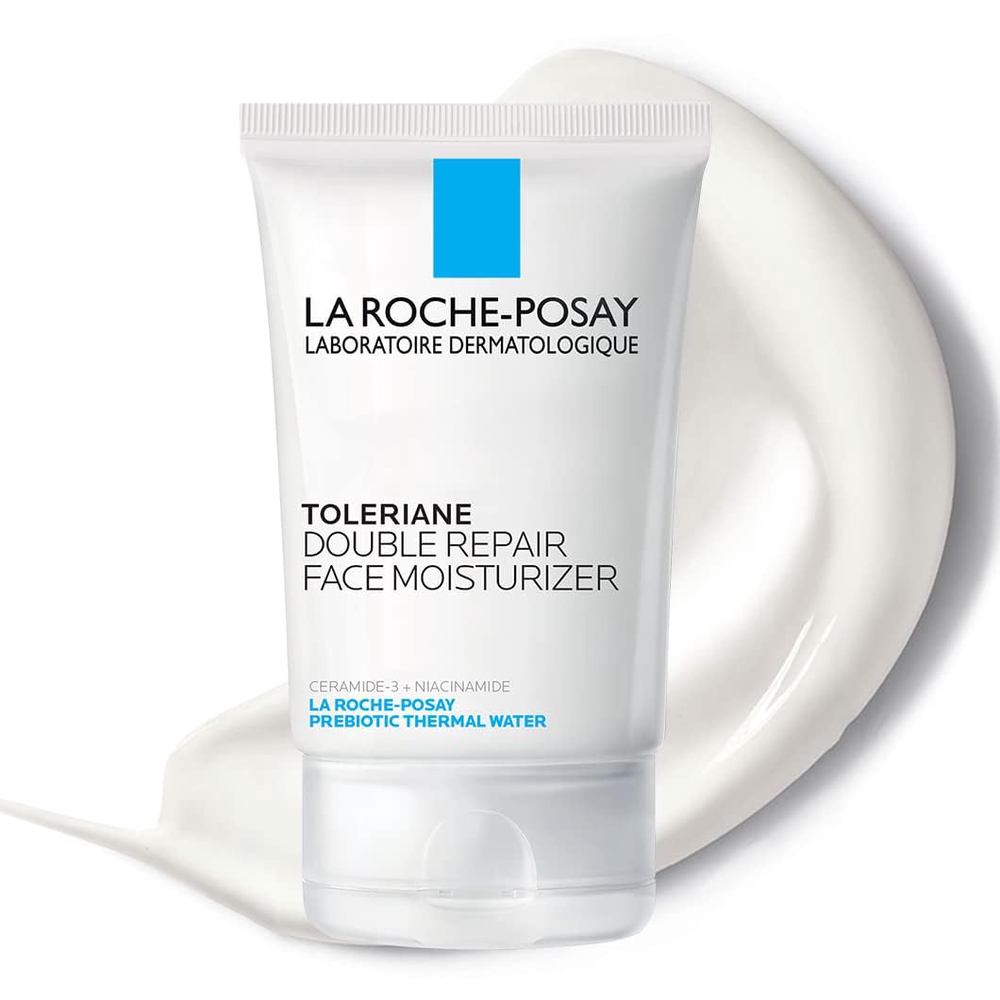
Your daily routine is non-negotiable. A gentle cleanser, a moisturizer to support your skin barrier, and a broad-spectrum SPF 30+ sunscreen applied every single day form the essential trilogy. This is your baseline defense. From there, you can incorporate targeted serums, like a vitamin C in the morning or a retinol (a milder, over-the-counter cousin of prescription retinoids) at night.
When considering professional treatments, start with a consultation. A reputable provider will assess your skin type, wrinkle patterns, and overall goals to create a phased plan. It’s rarely about one “miracle” treatment, but rather a sensible sequence. You might begin with neuromodulators for expression lines and a series of microneedling sessions for overall texture, then consider filler for volume loss years later.
Managing expectations is crucial. Professional treatments can produce remarkable improvements, but they do not stop the aging process. The goal is healthier, more resilient skin that ages gracefully—not a perfectly blank slate. The best plan is one that is sustainable, fits your lifestyle and budget, and makes you feel confident in your own skin.