You have been diligent. Every evening, you cleanse, apply your retinoid, and go to bed expecting that smooth, glowing skin the ingredient is famous for. But weeks have passed, and instead of radiance, you are dealing with persistent flaking and a dull, almost sallow complexion. Before you blame the product or your skin type, pause and consider a less obvious culprit: your nighttime routine itself.
Retinoids—whether over-the-counter retinol or prescription-strength tretinoin—are powerful compounds for cell turnover. Yet their efficacy is surprisingly fragile. The wrong cleanser, incorrect layering, or even the timing of your moisturizer can silently sabotage the results. Here are the two subtle symptoms that indicate your routine is working against your retinoid, along with clear, gentle corrections that let you keep the benefits without stripping your skin.
1. Your Skin Looks Dull and Taut Immediately After Washing
The first subtle symptom appears right after you wash your face: a sensation of tightness on your cheeks and jaw, accompanied by a noticeable loss of the normal, healthy glow. You might not register it as a problem—you might even mistake the tightness for a signal that your skin is "clean." In practice, this feeling means your cleanser has stripped your skin barrier of the natural lipids it needs to buffer the irritation that retinoids can cause.
Why it ruins retinoid benefits
Retinoids increase skin cell turnover, which inherently makes the stratum corneum (the outermost layer) thinner and more reactive. If you pair that with a foaming, sulfate-heavy, or high-pH cleanser, you are not simply removing oil—you are removing the fragile moisture barrier that keeps retinoid penetration controlled. A compromised barrier lets the retinoid absorb too quickly and unevenly, leading to excess peeling, redness, and actually, a slower adjustment period. Instead of bringing glow, your routine creates perpetual irritation that derails collagen synthesis and leaves you with a dull, inflamed appearance.
Quick check: After washing, wait five minutes without any product. If your skin feels tight, pulls when you smile, or looks patchy and dry, your current cleanser is too aggressive for a retinoid routine.
2. You Wake Up with Visible Peeling and a Red, Rough Texture
The second symptom shows up when you look in the mirror the morning after your retinoid application: flaking, rough patches—especially around the nose, mouth, and chin—combined with a blotchy, pinkish tone. This is not the expected "retinoid uglies" that some users prematurely accept. It is a sign of something more specific.
Why it ruins retinoid benefits
Retinoids work more effectively when applied to clean, slightly damp skin—but only if you wait long enough after cleansing for the skin to return to its natural pH. Most people wash their face and immediately apply retinoid onto damp skin, and then follow with a moisturizer only minutes later. This common order—retinoid, then moisturizer—may not serve you best. The actual problem is that moisture applied immediately after the retinoid can increase absorption too much, increasing irritation without providing any barrier protection. In contrast, the "sandwich method" (moisturizer, retinoid, then a second, thicker moisturizer) helps buffer the active and gradually release it throughout the night, preventing the harsh morning-after texture.
But here is the subtle clue: if your morning texture is consistently rough and red, not just occasionally dry, your retinoid is likely contacting your skin too far down the hydration gradient—meaning you are layering products in a sequence that increases penetration rather than controlling it.
Step-by-step routine fix
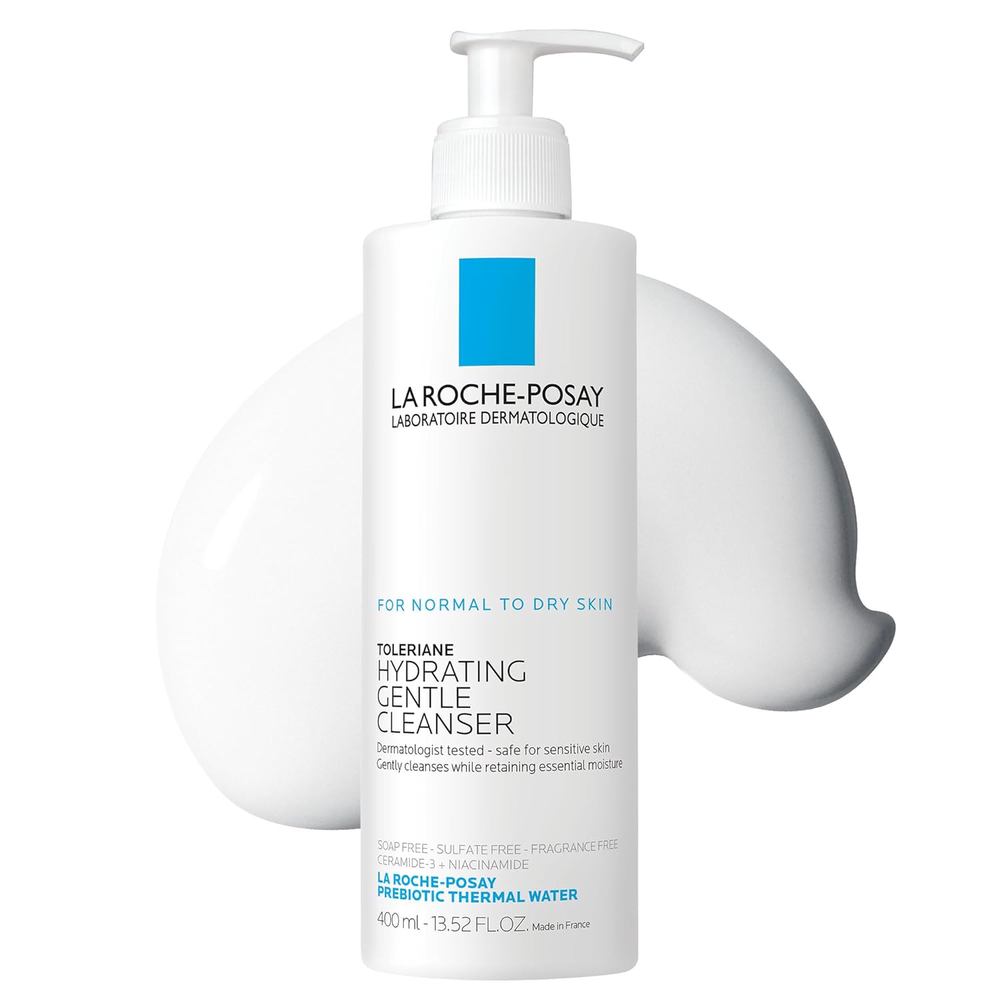
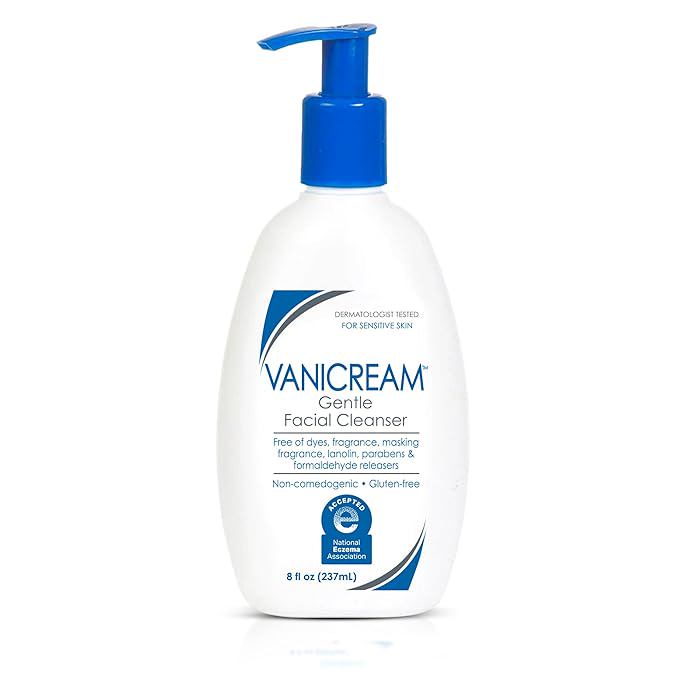
- Switch your cleanser. Use a non-foaming, cream- or oil-based cleanser with a pH around 5.5. Avoid sodium lauryl sulfate and harsh detergents. Your skin should feel supple, not tight, after cleansing.
- Wait 15 to 20 minutes after cleansing to apply retinoid. Let your skin completely dry to its baseline pH and moisture level.
- Use the sandwich method. Apply a lightweight moisturizer first, then the retinoid, then a thin layer of a richer moisturizer or a barrier cream that contains ceramides, squalane, or niacinamide. This sequence slows and distributes absorption evenly.
- Never layer a retinoid over an active acid (glycolic, salicylic, lactic) or strong vitamin C in the same routine. Alternate nights if you use both.
Additional but crucial details for retinoid success
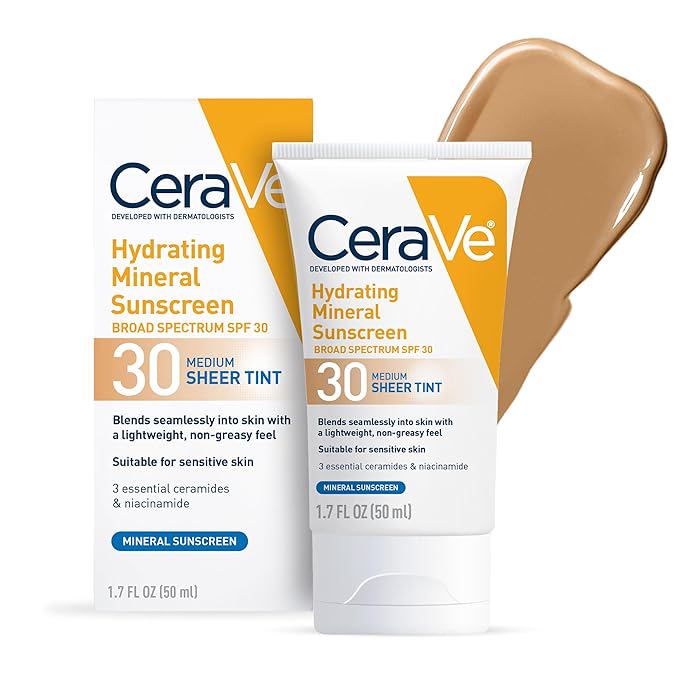
Products aren't the only factor. Environmental conditions also influence how retinoids perform. Using a humidifier in your bedroom during dry months can reduce transepidermal water loss, which directly affects how much peeling you experience. Also, sun protection is non-negotiable—retinoids make the skin more photosensitive, and UV exposure compounds irritation and ruins all visible progress within days. A mineral-based SPF 30 or higher, applied every morning, is part of the routine equation.
Pay attention to your skincare order when you incorporate an occlusive like petroleum jelly or squalane. Occlusives applied over a retinoid can effectively seal it in, which may work in the winter but can intensify irritation if used too frequently. Reserve full occlusion only for nights when your skin feels especially sensitive or when you need to protect the barrier during a dry spell.
Finally, be patient with frequency. If you are applying every night and seeing symptoms, drop back to every third night for two weeks, then gradually increase. The objective is a stable, calm complexion that can eventually tolerate nightly use—not forced daily application that creates chronic irritation.
Your retinoid is not failing you. The habits around it are. By tuning into those two subtle signals—tightness after washing and persistent morning roughness—you can fix the routine and let the ingredient do the work it was designed to do.