Retinoids are a cornerstone of anti-aging and acne skincare, praised for their ability to speed up cell turnover and boost collagen. But anyone who has started a retinol or tretinoin routine knows the uncomfortable side effects: redness, peeling, dryness, and a stinging sensitivity that can feel like a sunburn. While your moisturizing and sun protection habits matter, your diet may also play a hidden role. Experts point to one common beverage that can quietly turn up the dial on retinoid irritation: alcohol.
This isn't about a single glass of wine ruining your results. Rather, it's about understanding how alcohol interacts with your skin's barrier, inflammation levels, and hydration status—all of which become more critical when you are using a powerful cell-communicating ingredient like a retinoid. Below, we break down why experts advise caution around alcohol and retinoids, and how to support your skin without giving up every social drink.
Why alcohol and retinoids do not mix well
Retinoids work by increasing cell turnover and sloughing off dead skin cells, which leaves the new, younger skin underneath temporarily vulnerable. This process naturally thins the outermost layer of the epidermis (the stratum corneum) and makes the skin more permeable and reactive. When you add alcohol to the mix, you essentially double down on barrier stress.
“Alcohol is a known vasodilator and diuretic,” explains Dr. Rachel Miller, a board-certified dermatologist. “It widens blood vessels, which can worsen the redness and flushing that retinoids sometimes cause, and it dehydrates your skin by pulling water out of your cells.” When your skin barrier is already working overtime to repair from retinoid use, alcohol can interfere with that repair, prolonging the period of peeling and discomfort.
The triple threat: dehydration, inflammation, and barrier damage
Alcohol consumption affects retinoid tolerance through three primary mechanisms:
- Dehydration: Alcohol inhibits the release of antidiuretic hormone, leading to increased urine output and fluid loss. For skin, this means reduced water content in the epidermis, making it feel tighter, more flaky, and more prone to irritation.
- Inflammation: Even moderate alcohol intake can trigger a low-grade systemic inflammatory response. Retinoids already stimulate some temporary inflammation as part of the retinization process (that initial ‘purging’ phase). Alcohol adds fuel to that fire, potentially worsening redness and breakouts.
- Compromised lipid barrier: The skin barrier relies on lipids (fats) like ceramides to keep moisture in and irritants out. Alcohol can disrupt the production of these protective lipids, leaving the skin more exposed to the drying and sensitizing effects of the retinoid.
One 2019 study in the Journal of the American Academy of Dermatology noted that alcohol consumption was associated with increased transepidermal water loss and reduced skin barrier integrity — effects that directly counter the goals of retinoid therapy.
How much alcohol is too much?
There is no one-size-fits-all threshold because individual tolerance varies based on genetics, liver function, baseline hydration, and the strength of your retinoid. However, dermatologists consistently observe that heavy or even regular moderate drinking can make the retinol ‘uglies’ worse and last longer.
Heavy drinking (more than three drinks per day for women, and four for men) is almost guaranteed to exacerbate side effects. But even one or two drinks a few times a week can be enough to slow barrier recovery in sensitive individuals. “If you notice that your skin is especially red, peeling, or stinging the day after you have had wine or cocktails, that is a strong signal that your body is struggling to handle both the alcohol and the retinoid,” says Dr. Maya Thomas, a cosmetic chemist.
Quick tip: If you choose to drink while on a retinoid, try to pair each alcoholic beverage with a full glass of water. This can help offset some of the dehydrating effects.
Does the type of drink matter?
All alcoholic beverages have the same base compound—ethanol—so the fundamental effects on skin are similar. However, some drinks may be slightly worse for retinoid users:
- Wine (especially red): Contains histamines and sulfites, which can increase facial flushing and inflammation in some people, potentially amplifying the redness from retinoids.
- Hard liquor and cocktails: High alcohol content can lead to quicker dehydration. Mixers with added sugar or artificial ingredients may also promote inflammation.
- Beer: Generally lower in alcohol, but for some people, the gluten or grains can contribute to puffiness or mild systemic inflammation.
That said, the total amount of alcohol consumed is more important than the specific drink. A single glass of wine is usually less problematic than multiple cocktails.
Practical strategies for enjoying a drink while using retinoids
Completely abstaining is not necessary for most people. Instead, think of alcohol as an added stressor to be managed. Here are expert-backed tips to minimize irritation:
- Hydrate before and after: Drink an extra 8–16 ounces of water before you start drinking alcohol, and keep a water glass nearby throughout the evening. The next morning, continue hydrating.
- Set a limit: Stick to one or two drinks for the evening, and sip them slowly over several hours.
- Skip the nightcap on retinoid application nights: If you apply your retinoid in the evening, avoid alcohol for at least 2–3 hours before and after application. This gives your skin a better chance to absorb and start working without additional barrier stress.
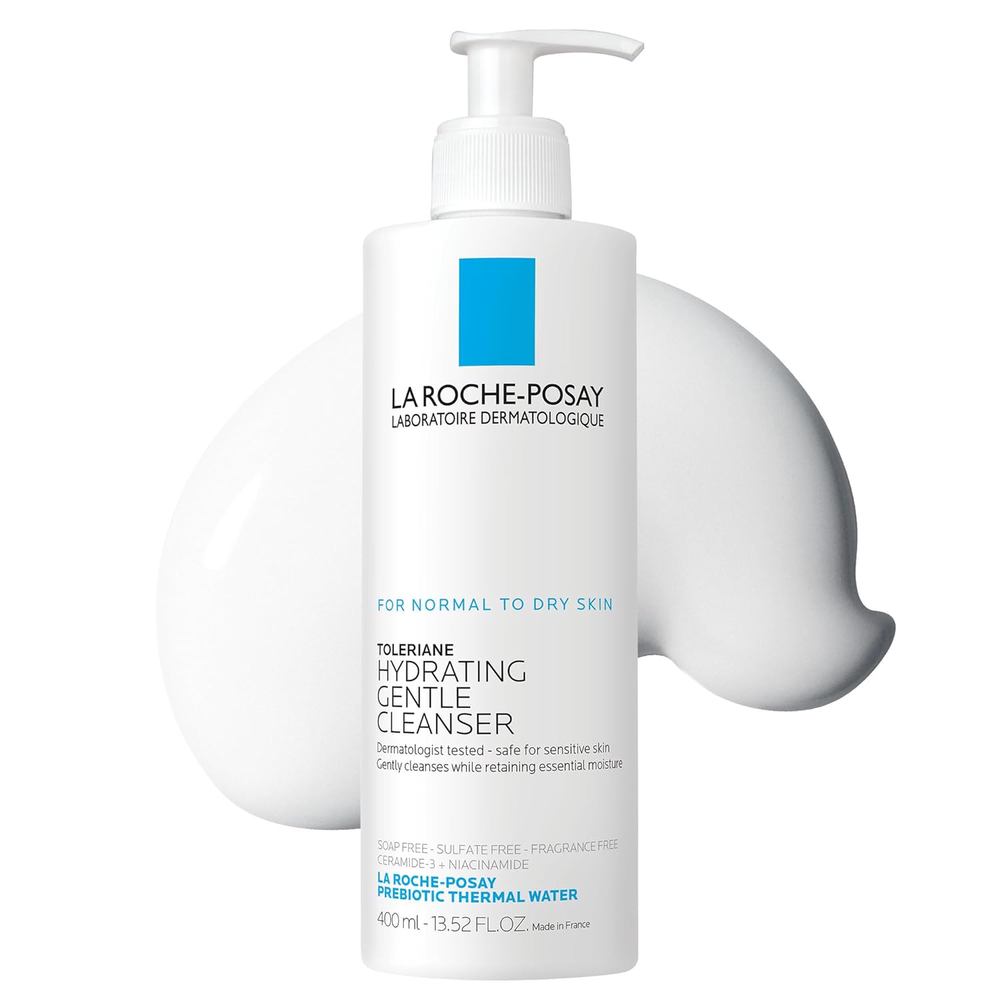
- Reinforce your barrier: Use a supportive skincare routine around alcohol consumption. A gentle, hydrating cleanser, a ceramide-rich moisturizer, and maybe a post-drink balm like squalane or shea butter can help buffer the skin.
- Listen to your skin: If alcohol consistently makes your face feel hot, prickly, or more flaky the next day, reduce your intake until your skin acclimates to the retinoid (usually after 4–6 weeks of consistent use).
When to see a dermatologist
If you experience severe redness, blistering, oozing, or pain that does not improve with moisturizer and avoidance of irritants, you may be having an allergic or overly aggressive reaction to the retinoid itself, not just alcohol. A dermatologist can help adjust your formulation, frequency, or strength—or recommend a completely different approach. Also, if you find that drinking alcohol (even in small amounts) consistently leads to significant facial flushing or discomfort that goes beyond typical retinoid side effects, ask about rosacea or other skin conditions that alcohol can trigger.
Ultimately, managing retinoid side effects is about reducing cumulative stress on your skin. Alcohol is one variable in a bigger picture that includes sun protection, gentle cleansing, proper moisturizing, and patience. By staying mindful of your alcohol intake and supporting your skin’s barrier, you can continue to enjoy the long-term benefits of retinoids without suffering through the worst of the side effects.