If you're using a retinoid, you already know it's one of the most researched ingredients for supporting skin cell turnover and collagen production. But what you eat while using it matters more than you might think. The right foods can help your skin tolerate the treatment better, reduce irritation, and even boost the anti-aging effects you're working toward.
Here are four foods worth adding to your routine when you're on a retinoid — not as a replacement for your skincare, but as a way to support your skin from the inside out.
1. Fatty fish for omega-3s and inflammation control
Retinoids can be drying and irritating, especially during the first few weeks. That's where omega-3 fatty acids — found in salmon, mackerel, sardines, and anchovies — come in. These healthy fats are known to help calm inflammation throughout the body, including in the skin.
When your skin barrier is compromised by retinoid use, omega-3s help reinforce cell membranes and reduce water loss. Less irritation and flaking means you're more likely to stick with your retinoid long enough to see results.
Aim for two servings of fatty fish per week. If fish isn't your thing, a high-quality fish oil or algae-based supplement may be worth discussing with your healthcare provider.
2. Vitamin C-rich produce for collagen support
Retinoids work partly by signaling your skin to produce more collagen. But collagen synthesis doesn't happen without vitamin C — it's an essential cofactor in the process. Eating foods rich in vitamin C while using a retinoid helps ensure your body has the raw materials it needs to build and maintain firm, resilient skin.
Good sources include bell peppers (especially red and yellow), kiwis, citrus fruits, strawberries, and broccoli. These foods also contain antioxidants that may help protect your skin from environmental damage.
It's worth noting that retinoids and vitamin C serums can sometimes be too harsh when used together on the same night. But eating vitamin C? No problem. Food sources won't irritate your skin, and they support collagen formation from the inside.
3. Healthy fats and vitamin E from avocado
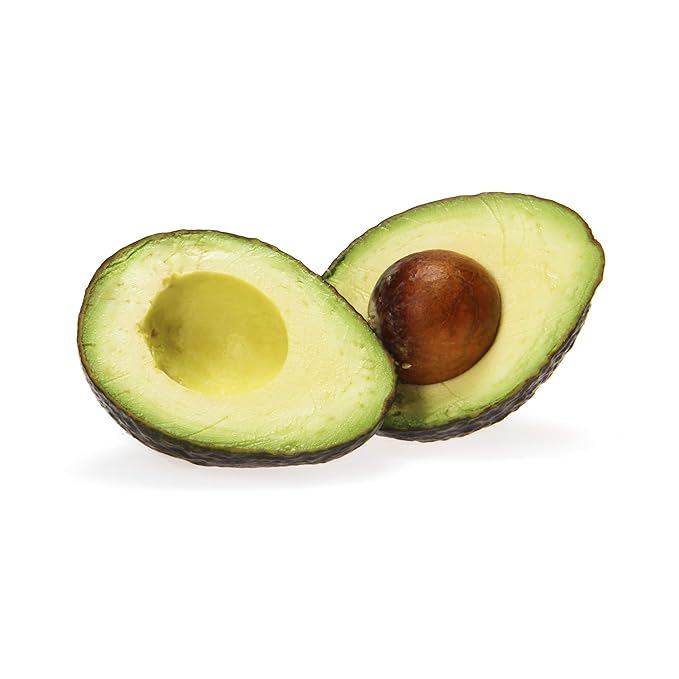
Avocados deliver a double benefit for retinoid users: healthy monounsaturated fats and vitamin E. The fats help your skin retain moisture, which is especially important when retinoids can compromise the skin barrier. Vitamin E acts as an antioxidant that may help reduce oxidative stress on skin cells.
One medium avocado also provides about 20% of your daily vitamin C needs, plus lutein and zeaxanthin — compounds that help protect skin from UV damage. (Note: no food replaces sunscreen, but these nutrients offer an extra layer of support.)
Add half an avocado to your breakfast or lunch, or blend it into a smoothie for a creamier texture without dairy, which some people find inflammatory.
4. Zinc-rich foods for healing and barrier repair
Zinc plays a key role in wound healing and reducing inflammation — both relevant when your skin is adapting to a retinoid. It also helps regulate oil production and may support the skin barrier function that retinoids can temporarily disrupt.
Good food sources of zinc include pumpkin seeds, chickpeas, lentils, cashews, and lean meats like chicken or beef. Oysters are exceptionally high in zinc, but not everyone eats them regularly. For plant-based eaters, soaking or sprouting legumes and seeds can improve zinc absorption.
While zinc supplements exist, it's best to get this mineral from food unless a healthcare provider suggests otherwise. Too much supplemental zinc can interfere with copper absorption and cause other issues.
Putting it all together
These four food groups work best as part of an overall balanced diet, not as a quick fix. Consistency matters more than perfection. If you're already using a retinoid, adding these foods may help your skin tolerate the ingredient better and potentially see results sooner.
And remember: retinoids increase your skin's sensitivity to the sun. A reliable broad-spectrum sunscreen (SPF 30 or higher) is non-negotiable, regardless of what you eat.