
You prep a batch of high-protein snacks on Sunday, dreaming of grab-and-go convenience all week. By Tuesday, the chicken breast is dry, the egg muffins are rubbery, and those protein balls have turned into dense, crumbly nuggets. Texture changes — they are the silent saboteurs of meal prep. The good news is that each breakdown has a specific cause and a straightforward fix.
Understanding why high-protein foods stiffen, dry out, or weep liquid helps you work with the ingredients instead of against them. Protein molecules are sensitive to temperature shifts, moisture loss, and pH changes. When you know what triggers the transformation, you can keep your prepped meals tasting fresh much longer.
What causes high-protein snacks to change texture after a few days?
Three main forces are at work once you refrigerate or freeze a cooked protein source:
- Moisture migration. Water naturally moves from the center of a food to its surface and then evaporates, especially in a dry refrigerator environment. This leaves lean proteins like chicken breast or turkey feeling parched.
- Protein cross-linking. As proteins cool and sit, they form tighter bonds with neighboring proteins. This is why scrambled eggs or a firm tofu scramble can turn from tender to bouncy overnight.
- Starch retrogradation (in binders). If your snack uses oats, quinoa, or breadcrumbs, those starches recrystallize during refrigeration. They squeeze out water and create a gritty or mealy mouthfeel.
The combination of these factors explains why amped-up snacks rarely hold their just-cooked appeal past day two.
Three practical fixes for better texture retention
1. Adjust your cooking method for moisture retention
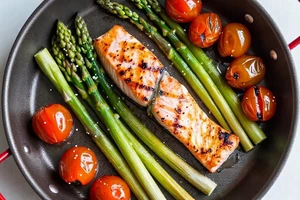
The biggest mistake is cooking high-protein foods until they reach their peak doneness before storage. Carryover cooking means they continue to firm up even after you pull them from heat. For chicken breasts, fish fillets, and lean meat patties, stop cooking when the internal temperature hits about five degrees below your target. When you reheat later, you bring it to the safe zone without overcooking the exterior.
Brining or marinating also helps. A simple saltwater brine (or even a marinade with yogurt, vinegar, or citrus) encourages proteins to hold onto water. The salt alters the protein structure so it binds more liquid and keeps the snack succulent after reheating.
2. Use fat and acid as protective agents
Fat coats protein fibers and slows moisture loss. Including a moderate amount of olive oil, avocado, tahini, or full-fat dairy in your snack recipe creates a barrier. This is especially effective for baked egg cups, frittatas, or mini meatloaves. A drizzle of oil over the top before storing also protects the surface layer from drying out.
Acid (lemon juice, vinegar, or even tomato) can soften protein texture and prevent that tight, rubbery consistency. It works by mildly denaturing (unfolding) the protein strands so they cannot cross-link as aggressively. Chicken salad with a little lemon, for example, stays tender longer than plain roasted chicken.
3. Reheat intelligently — don't just crank the microwave
How you reheat matters as much as how you cook. High heat in a microwave forces moisture to escape rapidly. Instead, use gentler methods:
- Steam-reheat. Add a teaspoon of water to your container and cover it loosely. Microwave in short bursts at 50% power.
- Oven or air-fryer. For breaded or crispy items, reheat at 325°F instead of 400°F. The lower temperature allows the inside to warm without burning the coating.
- Add moisture back. A splash of broth or a spritz of water before reheating can rescue dry meat or grains.
Quick tip: Store sauces, dressings, and wet toppings separately. Combine them only after reheating. This prevents sogginess in the base and keeps texture intact.
Understanding the science helps you troubleshoot on the fly
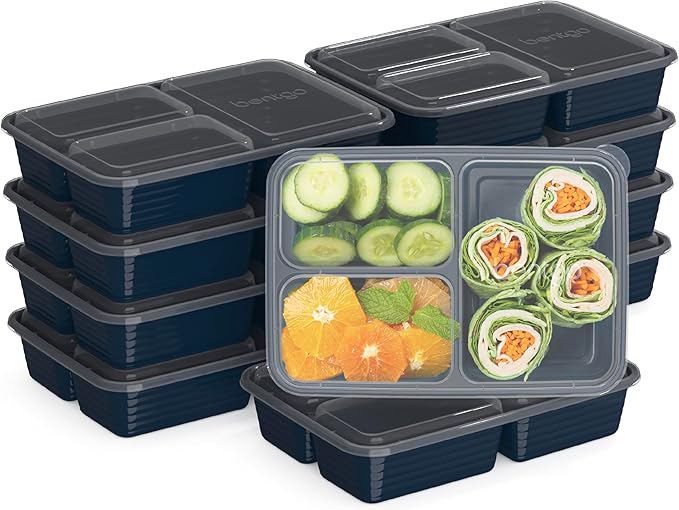
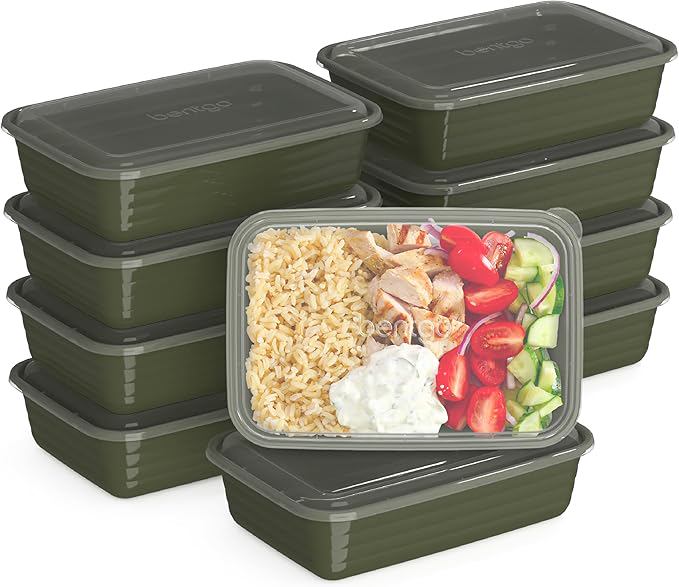
Once you recognize that texture loss is not random, you can adapt any recipe. Lean proteins need extra fat or moisture. Egg-based snacks benefit from a lower cooking temperature and a gentle reheat. Binder-heavy snacks (protein bars, balls) often improve with a tablespoon of nut butter or coconut oil to soften them. Even the container matters — an airtight glass dish preserves texture better than a plastic bag that traps condensation.
High-protein meal prep does not have to mean sacrificing quality after two days. A few adjustments to temperature, moisture content, and reheating technique keep your snacks satisfying from Monday through Thursday.
This information is for general educational purposes only and does not replace professional medical or nutritional advice. Individual needs may vary. Always consult a healthcare provider before making significant changes to your diet or meal preparation routine.