Meal-prepping for kids sounds straightforward: make food ahead, reheat, serve. But one frequent error can turn a well-intentioned plan into a dinner-table standoff. The mistake? Neglecting texture and temperature changes that happen when meals are cooked, chilled, and reheated. What starts as crisp broccoli can turn into a soggy mess, and a perfectly creamy pasta can become gluey. Understanding how preparation methods affect food's final feel—especially for sensitive young palates—is the key to making kid-friendly dinners that actually get eaten.
Why texture matters more for children
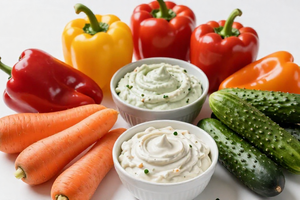
Kids are famously texture-sensitive. A vegetable that was perfectly tender at dinner can become unpleasantly mushy the next day after reheating. Foods with high water content, like zucchini or bell peppers, release moisture as they sit, turning crisp stir-fries into watery bowls. Meanwhile, starches like rice and pasta continue to absorb liquid, leading to clumpy, heavy dishes. When parents prep the same way they would for themselves—without considering these changes—they often end up with meals that kids refuse.
A simple shift: cook grains and vegetables just shy of done. They will finish cooking during reheating, preserving a better bite.
The timing trap: cooking everything too early
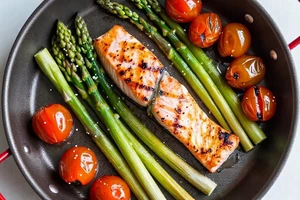
Another version of this mistake is prepping the entire dinner days in advance. While some components hold up well, others degrade quickly. Cooked greens, for example, lose color and texture within 48 hours. Sauces can separate. Proteins like chicken breast can turn dry and stringy after a second trip in the microwave. A better approach is to prep components—chopped veggies, marinated proteins, cooked grains—but combine and finish cooking closer to mealtime. This gives you the convenience of advanced prep without sacrificing the fresh, appealing texture kids expect.
What to prep ahead (and what not to)
- Do prep: washed and chopped raw vegetables, cooked whole grains (stored separately from sauces), and portioned raw proteins in marinade.
- Limit pre-cooking: high-moisture vegetables (mushrooms, tomatoes) and delicate leafy greens. Add these fresh or cook them right before serving.
- Skip pre-mixing: combining wet sauces with starches or vegetables until just before serving to avoid sogginess.
Reheating methods that rescue texture
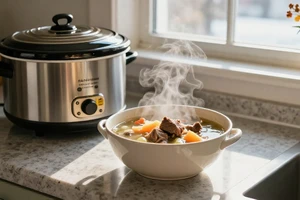
How you reheat matters as much as how you prep. The microwave is fast but can turn food unevenly hot and ruin texture. For many kid-friendly dinners, a skillet or oven produces better results. Reheat rice in a covered pan with a splash of water; crisp up roasted vegetables under the broiler; warm sauces on the stovetop and toss with freshly reheated pasta. Investing a few extra minutes in reheating can transform a lackluster lunch into something your child will happily eat.
Pro tip: Use a food thermometer to ensure reheated meals reach 165°F without overheating—hot enough to be safe, not so hot that delicate foods dry out.
Portioning pitfalls: serving sizes and variety
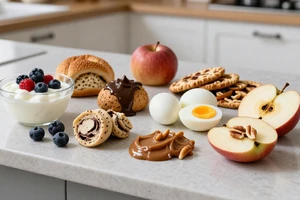
Even when texture is controlled, parents sometimes err by making one large batch of the same dish for the whole week. Kids need novelty. Seeing the same meal container after container can lead to boredom and refusal. Instead, prep a few different bases—a grain, a protein, a roasted vegetable—and let kids choose how to combine them at each meal. This gives them a sense of control and keeps meals interesting without extra cooking work.
The hydration factor: a sometimes-overlooked detail
While not directly about dinner, plain water is still the best drink to serve with a prepped meal. For hot days, consider pairing meals with naturally hydrating foods—like fruits with high water content—to round out the plate. This keeps kids hydrated and balances the meal. Avoid sugary drinks that can fill them up before they eat the carefully prepped food.
Keeping meals safe during storage
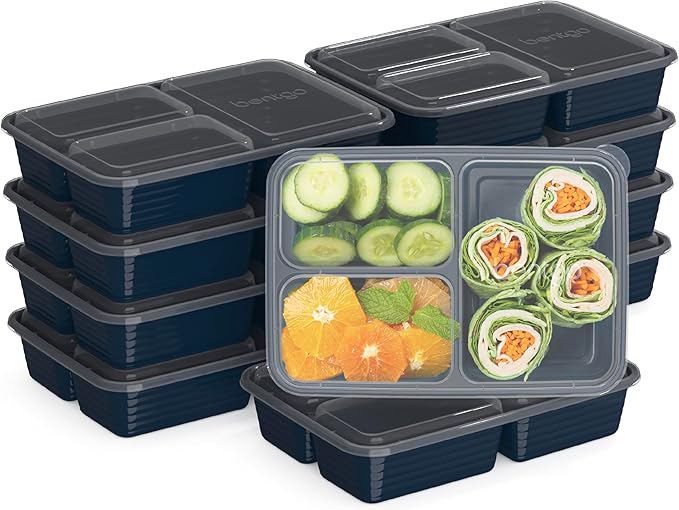
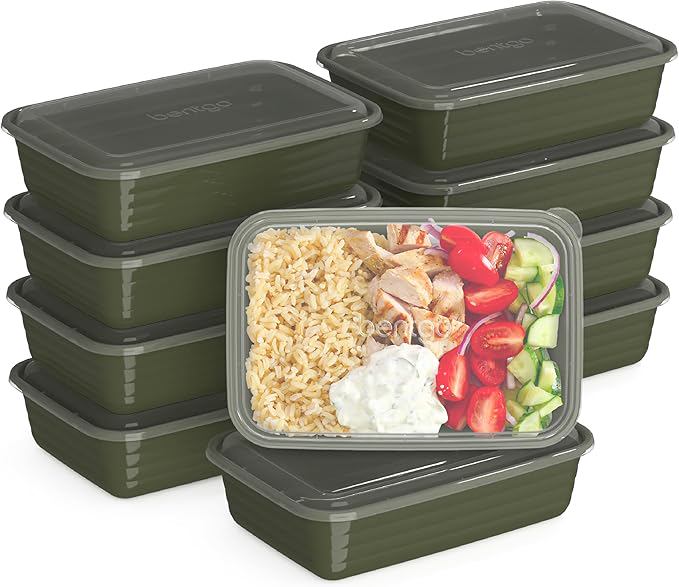
Food safety is part of meal prep success. Cool cooked food quickly (within two hours) and store in shallow containers to speed chilling. Label with dates and use within three to four days for best quality. If you prep for the whole week, freeze portions you won't eat within that window. Proper storage preserves texture and prevents spoilage, so your efforts don't go to waste.
One final thought: involve your kids in choosing which components to prep. When they feel ownership, they're more likely to eat what's served—even when it's been in the fridge for a day or two.



![Freshware Meal Prep Containers [50 Pack] 1 Compartment Food Storage Containers with Lids, Bento Box, BPA Free, Stackable, Microwave/Dishwasher/Freezer Safe (16 oz)](https://www.glowtheorylab.com/uploads/ad202604/65411b035c0a4f69.webp)