
You finish a solid workout, feeling strong and accomplished. Then you eat what you think is a smart recovery meal — a smoothie, a granola bar, maybe some pasta. But if you've been struggling to manage stress, that post-exercise plate might be working against you.
I've seen this play out in countless conversations with health-conscious women. You're doing everything "right": exercising regularly, watching portions, choosing whole foods. Yet you still feel wired, tired, and strangely reactive to daily pressures. The culprit isn't your willpower or your workout. It could be the specific foods you eat after you train.
Let's untangle the connection between recovery eating and your stress response — and how small changes can help both your physique and your calm.
The Cortisol Comeback: What Exercise Actually Does to Your Stress Hormones
When you work out, your body releases cortisol. That's normal and healthy — it mobilizes energy, sharpens focus, and helps muscles contract. A moderate session typically triggers a cortisol spike that returns to baseline within an hour or two.
The problem? If your post-workout meal is high in refined carbohydrates or added sugars, you can inadvertently prolong that sympathetic nervous system activation. Your blood sugar surges, then crashes. That crash signals your adrenal glands to release another wave of cortisol — exactly when you're trying to wind down.
This explains why some women feel jittery, irritable, or anxious within an hour after eating post-exercise. Your body is still interpreting that blood sugar rollercoaster as a threat, keeping you in a low-grade fight-or-flight mode.
Why Your Recovery Meal Flips the Wrong Switches
Many popular post-workout foods — sports drinks, protein bars with added sugars, white rice cakes with jam, sugary protein shakes — are engineered for rapid glycogen replenishment. That's fine for elite endurance athletes doing back-to-back sessions. For the rest of us, especially those who exercise for stress relief, that sugar load can backfire.
Think of your nervous system as a dimmer switch. Intense exercise pushes the switch toward "bright." A high-sugar recovery meal keeps it there. You want the lights to gradually dim.
Here's what often happens: You finish a run or a HIIT class. You grab a banana with peanut butter and a sports drink, or a fruit-heavy smoothie. Within 30 minutes, you feel a short-lived energy lift. Then around the one-hour mark, you feel tired, headachy, or on edge — the classic sugar dip. This crash can trigger more cravings, more grazing, and eventually more cortisol when your body tries to stabilize blood glucose.
Protein, Fat, and Fiber: The Calming Recovery Triad
Not all post-workout meals destabilize your mood. The ones that work for stress management share a common profile: they combine protein, healthy fat, and fiber, while keeping refined carbohydrates and added sugars low.
Protein provides amino acids for muscle repair without a steep insulin surge. Fat slows digestion, blunting the glucose spike. Fiber (from vegetables, whole grains, legumes, or seeds) extends satiety and helps your body process carbohydrates more gradually.
Consider these meal examples for a calmer recovery:
- Eggs with sautéed spinach and half an avocado — contains enough protein for repair, plus magnesium-rich greens and healthy fats that support GABA production, a neurotransmitter that promotes calm
- Grilled chicken or tofu over a salad with olive oil, lemon, and chickpeas — steady release of energy, no dramatic blood sugar swing
- Plain Greek yogurt (unsweetened) with a few berries and a tablespoon of walnuts — the fat and protein buffer the natural sugar in the fruit
This pattern supports your nervous system's shift away from cortisol production toward relaxation and repair.
The Insulin-Cortisol Balance That Most People Miss
Hormones don't operate in isolation. If your post-workout meal spikes insulin too high, that can inhibit the body's ability to clear cortisol. Chronically elevated cortisol, in turn, makes your cells less sensitive to insulin over time. It's a vicious cycle that can leave you feeling simultaneously exhausted and wired.
This is particularly relevant for women. Female physiology is more sensitive to blood sugar fluctuations than male physiology, especially during certain phases of the menstrual cycle. In the luteal phase (the two weeks before your period), your body is already less efficient at managing carbohydrates. Adding a sugar-forward recovery meal during that window can compound the stress response.
Many women notice that their typical post-workout smoothie leaves them irritable or anxious in the afternoon. That's not random — it's a predictable metabolic reaction.
Practical Swaps That Protect Your Calm
You don't need to overhaul everything. Small substitutions in your recovery nutrition can shift your stress profile noticeably over a few weeks.
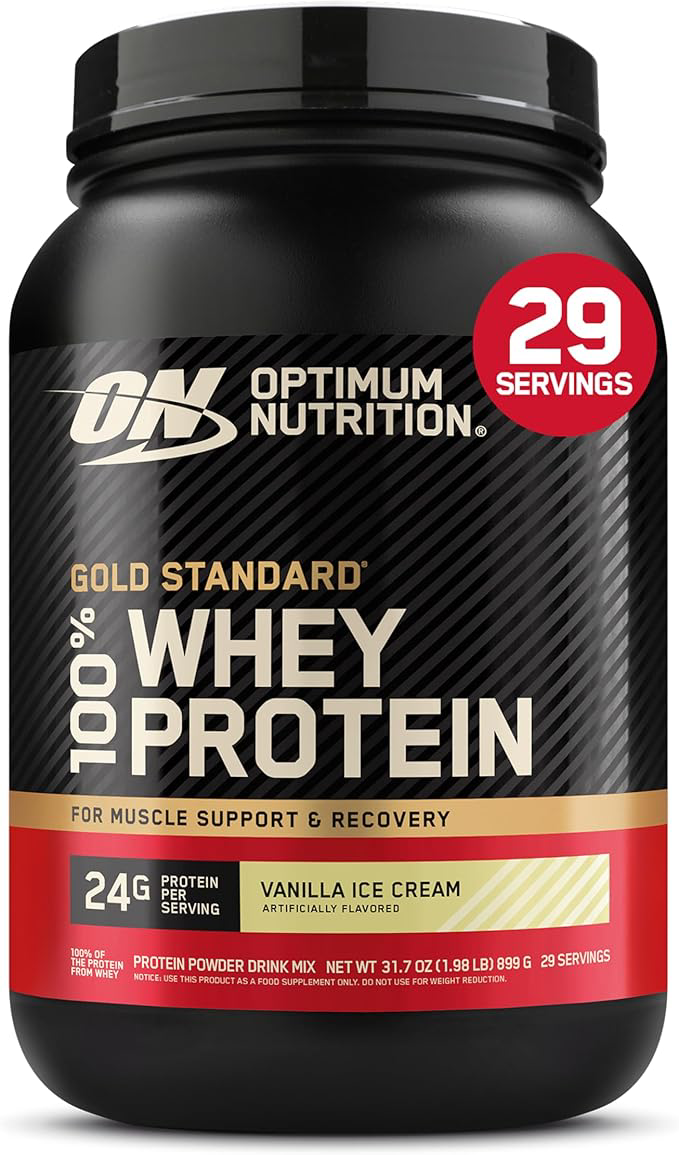
- Swap a fruit-heavy smoothie for a vegetable-forward protein shake: use unsweetened almond milk, a scoop of protein powder, a handful of spinach, and half a serving of berries
- Replace white rice or pasta with a roasted sweet potato or quinoa: these provide complex carbohydrates that digest more slowly
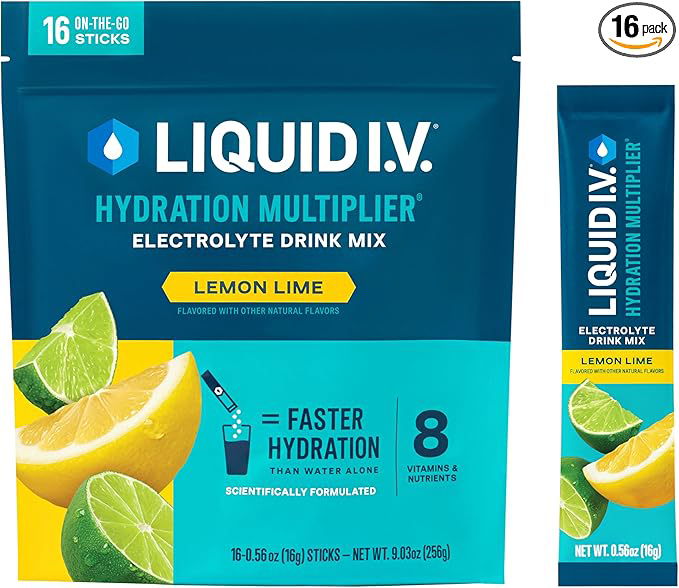
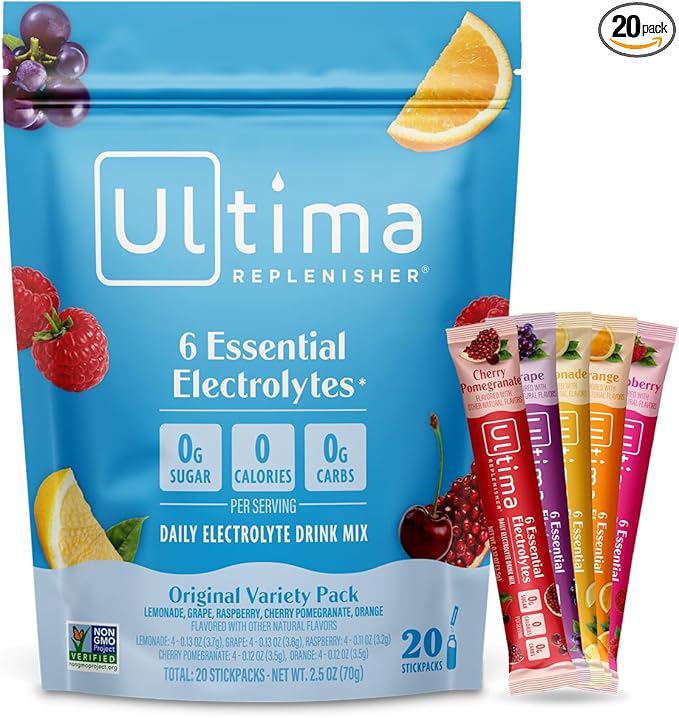
- Choose water with electrolytes instead of sports drinks: most commercial sports drinks contain 15–25 grams of sugar per serving
- Include a magnesium source in your post-workout meal: pumpkin seeds, almonds, dark leafy greens, or a square of dark chocolate — magnesium helps lower cortisol and supports sleep
A simple test: eat your regular post-workout meal and check in with how you feel one hour later. Then try one of the swaps above for three days and compare. Your energy and mood are useful feedback.
Timing Also Matters for Stress
When you eat after exercise also influences your stress biology. Eating too late in the evening after a workout — say, after 8 p.m. — can interfere with the natural cortisol dip that should happen before sleep. Your body is meant to produce less cortisol at night, but a large meal eaten close to bedtime can keep your system active.
Aim to eat your post-workout meal within 60 to 90 minutes after finishing, and ideally at least three hours before bed. This window supports muscle repair while allowing your circadian rhythm to do its normal cortisol taper.
The takeaway for anyone who exercises for stress relief is straightforward: your recovery food is either extending the benefits of your workout or partially undoing them. By choosing meals that stabilize blood sugar and support a gentle cortisol decline, you give your nervous system the signal it needs to shift out of alert mode and into restoration.
That's the kind of recovery that actually feels like recovery.