The minutes after you finish a workout are a window of opportunity for recovery. You've pushed your muscles, taxed your cardiovascular system, and likely lost fluids and electrolytes through sweat. What you choose to drink in that recovery period matters not only for rehydration but also for how your nervous system resets. Proper post-exercise hydration can lower cortisol levels, support heart-rate recovery, and leave you feeling clear-headed rather than drained. Here is what experts recommend you reach for — and why.
Plain Water: The Foundation of Recovery
Water is the simplest and most essential post-workout drink. During exercise, your body loses water through sweat and respiration, and even mild dehydration elevates stress hormones like cortisol. Replacing that fluid helps your circulatory system function efficiently, delivering oxygen and nutrients to tired muscles and carrying away metabolic waste. For most people, drinking enough water after a workout to bring urine color back to pale yellow is a good sign of rehydration. While water alone doesn't contain electrolytes, it is usually sufficient for workouts lasting under an hour in moderate conditions.
Electrolyte-Infused Beverages for Longer Sessions
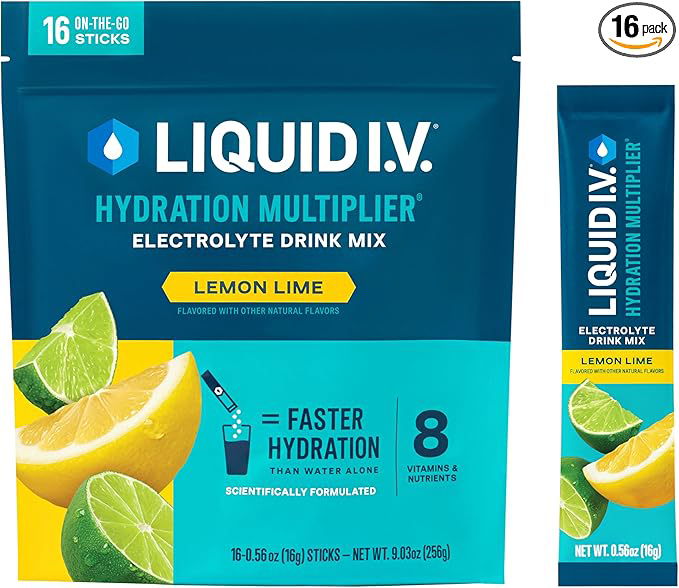
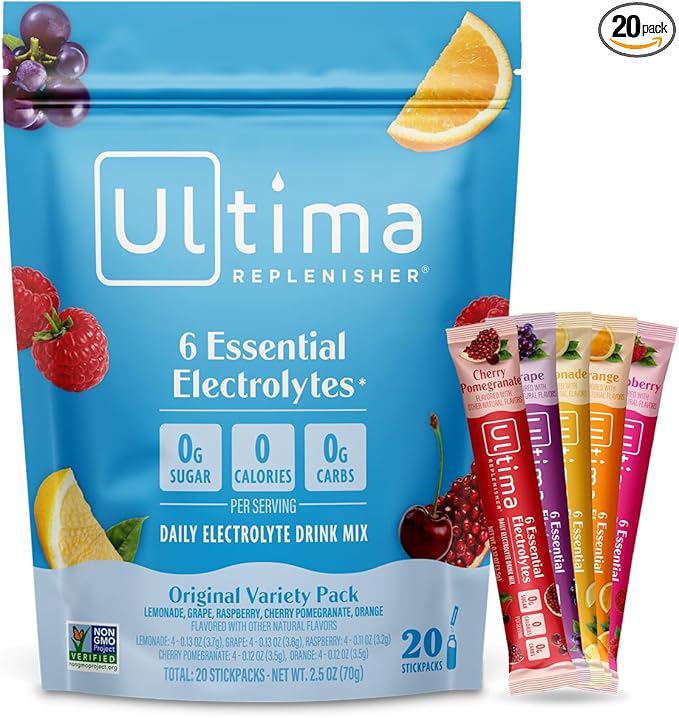
If you have been exercising for more than 60 minutes, in hot or humid conditions, or if you are a heavy sweater, plain water may not be enough. Electrolyte drinks — whether commercial sports drinks or homemade versions — provide sodium, potassium, and magnesium, which are critical for nerve signaling and muscle function. Replenishing these minerals helps prevent cramping and supports the body's ability to retain fluid. Look for options with minimal added sugar; many products now offer electrolyte packets or tablets that dissolve in water without the high sugar content of traditional sports beverages.
Tart Cherry Juice for Muscle Recovery and Sleep
Tart cherry juice has gained attention for its natural anti-inflammatory and antioxidant properties. Research suggests that drinking tart cherry juice after exercise may reduce muscle soreness and speed recovery by lowering markers of oxidative stress. The melatonin content in tart cherries may also promote better sleep quality, which is itself essential for stress relief and physical recovery. A small glass (about 8 ounces) after a workout can be a useful addition to your routine, particularly for evening exercisers who want to wind down afterward.
Green Tea or Matcha for a Calming Caffeine Alternative
If you want a gentle lift without the jitteriness of coffee, green tea or matcha can work well post-exercise. They contain L-theanine, an amino acid that promotes relaxation without drowsiness and may blunt the cortisol response to stress. The modest caffeine content is enough to support mental focus but rarely disrupts sleep when consumed in the early afternoon. Matcha, which is powdered whole green tea leaves, delivers a more concentrated dose of antioxidants and L-theanine than steeped green tea. Drink it warm or iced — either way, it pairs nicely with the end of a workout.
Chocolate Milk: A Balanced Recovery Option
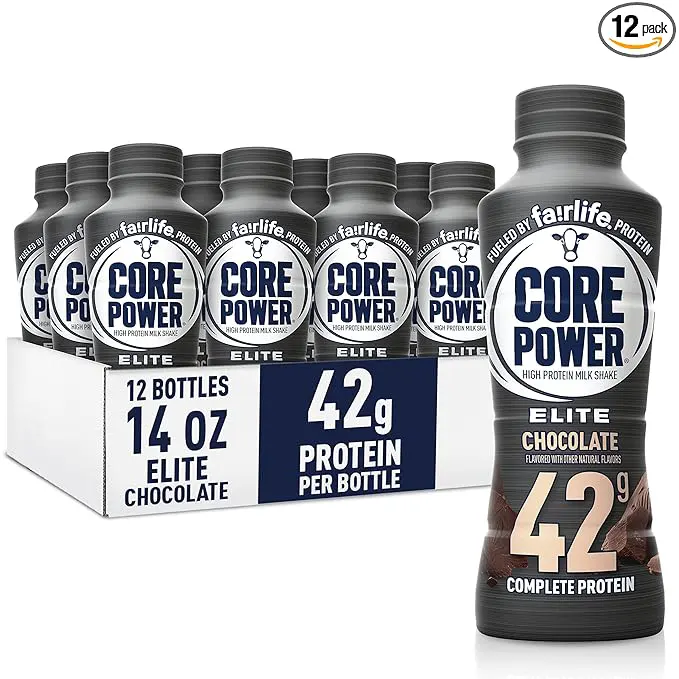
Chocolate milk has been studied extensively as a post-workout recovery drink. It provides a natural ratio of carbohydrates to protein (roughly 3:1 or 4:1), which helps replenish glycogen stores and supports muscle repair. The fluid and electrolytes in milk also aid rehydration. For many people, the familiar taste makes it a palatable choice after a tough session. Opt for low-fat or skim chocolate milk if you are watching saturated fat intake. It works best after moderate to intense workouts where you need both refueling and rehydration.
What to Avoid After Exercise
Not every drink supports recovery. Highly caffeinated energy drinks can spike cortisol and interfere with sleep if consumed late in the day. Sugary sodas offer empty calories and may cause an energy crash. Alcohol is particularly counterproductive: it is a diuretic that worsens dehydration, impairs muscle protein synthesis, and disrupts sleep architecture. Even moderate alcohol intake after exercise can blunt the stress-relief benefits you worked for. Stick to the options above, and if you choose to drink something caffeinated, do so at least several hours before bedtime.
Hydration and Nervous System Reset
Stress relief after a workout is not just about the muscles — it is also about the nervous system. Intense exercise activates the sympathetic nervous system (fight-or-flight). The recovery period is when the parasympathetic nervous system (rest-and-digest) should take over. Drinking fluids slowly and mindfully, rather than chugging, may help signal to your body that the stress phase is over. Pairing your drink with slow, deep breaths for a few minutes can enhance this shift. The ritual itself — sitting quietly with a glass of water or tea — can be part of the stress relief routine.
Tip: Listen to your body. Thirst is a delayed signal. By the time you feel thirsty, you may already be slightly dehydrated. Sip water steadily after exercise rather than waiting until you feel parched.