
In the pursuit of fitness goals, it is easy to fall into the trap of believing that more is always better. You push through fatigue, ignore lingering muscle soreness, and convince yourself that taking a day off is a sign of weakness. This mindset, while well-intentioned, overlooks a fundamental truth: rest is not a reward for hard work—it is a prerequisite for it. Skipping rest days in the hope of accelerating results is a common self-care mistake that actually backfires, compromising both your physical gains and your overall well-being.
Why Your Body Needs a Break to Build Strength
When you exercise, you are essentially creating tiny tears in your muscle fibers. This is a normal part of the strengthening process. However, your muscles do not grow during the workout itself. They repair and become stronger during periods of rest. Without adequate recovery, this repair cycle is interrupted. You are not giving your body the time it needs to rebuild, which can lead to a plateau or even a decline in performance. The concept of "no pain, no gain" has been widely misinterpreted; sustainable gain requires a rhythm of effort and intentional recovery.
The Hidden Physical Toll of No Rest
Training every day without a structured rest day does more than just hinder muscle growth. It increases your risk of overuse injuries, such as tendinitis, stress fractures, and chronic joint pain. These injuries are not always dramatic or sudden. They often creep up as persistent aches that do not go away, forcing you into an unplanned, longer break than a scheduled rest day would have required. Furthermore, your central nervous system also needs recovery. Constant high-intensity training can elevate cortisol levels, disrupt sleep patterns, and impair immune function, making you more susceptible to illness.
A single rest day each week is not a setback; it is an investment. It allows your nervous system to reset and your hormonal balance to normalize, setting the stage for more effective training in the days to come.
Mental Recovery Matters Just as Much
The self-care mistake of forgoing rest is not only physical. Mental fatigue from constant training is real. Without a break, the gym or the running trail can start to feel like a chore rather than a choice. This can drain your motivation and make it harder to maintain a consistent routine over the long term. A rest day gives your mind a chance to miss the movement, which actually helps you return with renewed focus and enthusiasm. It protects against burnout and keeps your relationship with exercise positive and sustainable.
Recognizing the Signs You Need a Rest Day
Learning to listen to your body is a key component of smart training. Some signs that you may be overdue for a rest day include: persistent fatigue that does not improve with sleep, decreased performance or strength during workouts, irritability or mood swings, and a higher resting heart rate. If you notice these signals, it is a sign that your body is not recovering adequately between sessions.
How to Structure Effective Rest Days
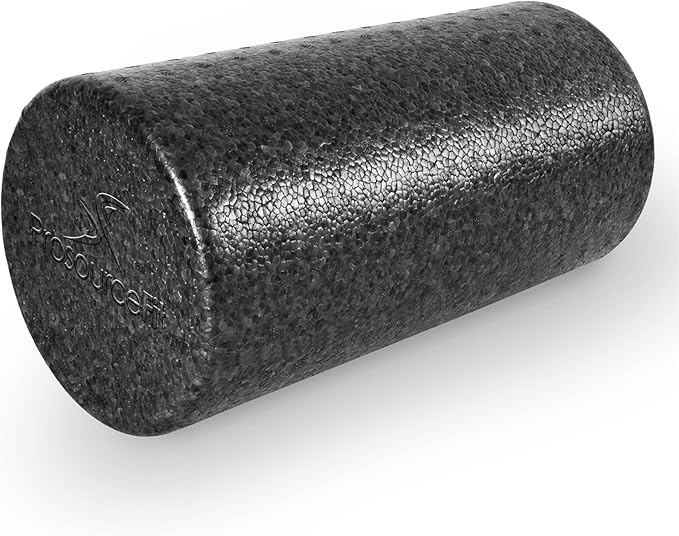
A rest day does not mean becoming completely sedentary. The goal is active recovery or complete rest, depending on how you feel. Active recovery might include a gentle walk, light stretching, or foam rolling. The key is to keep the intensity very low—about 50% of your normal effort or less. Complete rest is equally valid and is essential when you are genuinely fatigued. Planning rest days into your weekly schedule, rather than waiting until you feel broken, is a proactive approach to self-care. For example, a common structure for a general fitness routine is three to four days of training followed by one rest day, but this varies based on the intensity of your workouts and your individual recovery needs.
The Big Picture: Consistent Progress Over Quick Fixes
The ultimate irony is that the people who take their rest days seriously are often the ones who make the most consistent, long-term progress. They understand that fitness is not a sprint but a lifelong practice. By respecting your body's need for recovery, you avoid the cycle of injury, burnout, and starting over. You build resilience, not just in your muscles but in your habits. The most effective self-care strategy for reaching your goals is not to work harder every single day, but to work smarter by including rest as a non-negotiable part of your plan.
In summary, skipping rest days to get faster results is a counterproductive mindset. True progress comes from a balanced approach that values recovery as much as the workout itself. Prioritize rest, and you will find that your performance improves, your risk of injury drops, and your overall enjoyment of exercise lasts much longer.