You’ve been diligent. Every morning and night, you smooth on a generous layer of moisturizer, hoping for that plump, dewy finish. But as the hours pass, your skin still feels tight, looks crepey, or starts to flake. If this sounds familiar, the problem isn’t your effort—it may be your approach. As skin matures, its barrier naturally weakens, and moisture loss accelerates. A simple moisturizer, even a rich one, often can’t do the job alone. Here are five common mistakes that might be undermining your routine—and what to do instead.
1. Relying on moisturizer alone without a hydrating first step
The biggest misconception is that a moisturizer adds water to your skin. In reality, most creams and lotions work by sealing moisture in, not by delivering it in the first place. If your skin is already dehydrated, applying a cream on top is like putting a lid on an empty pot.
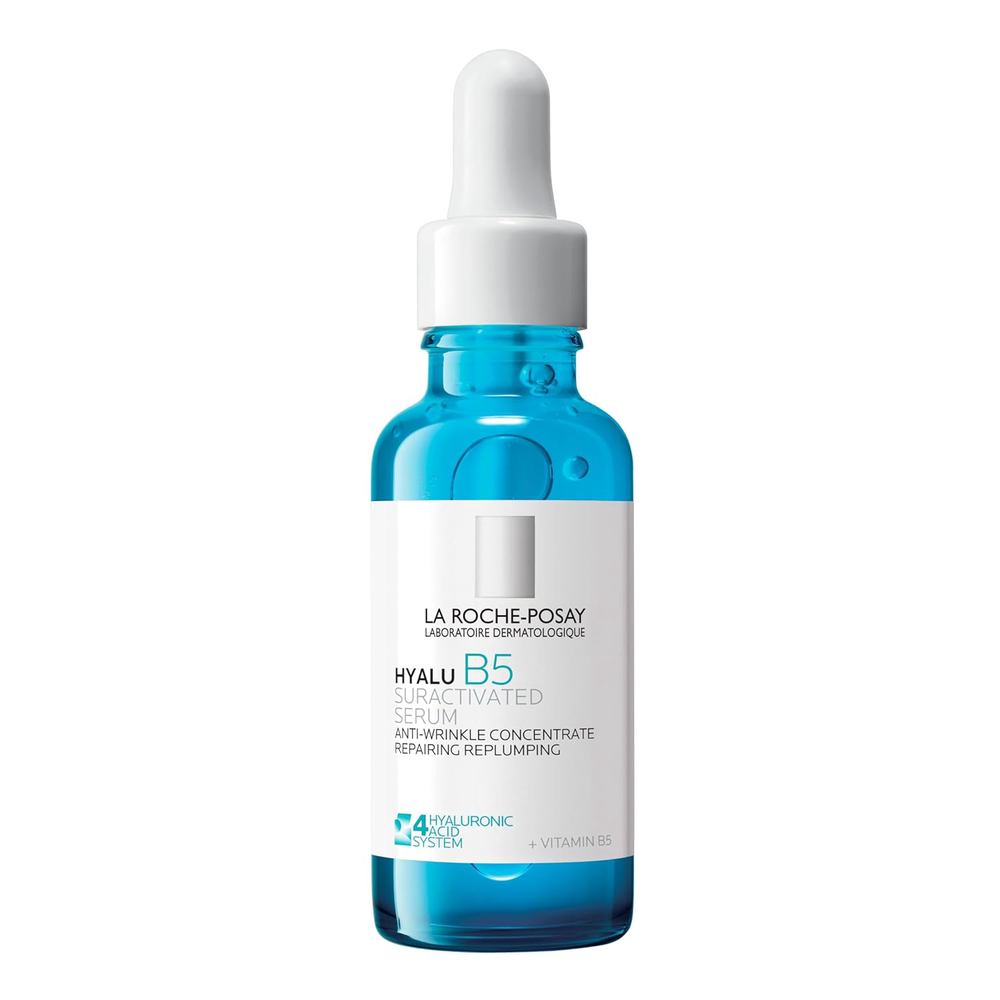
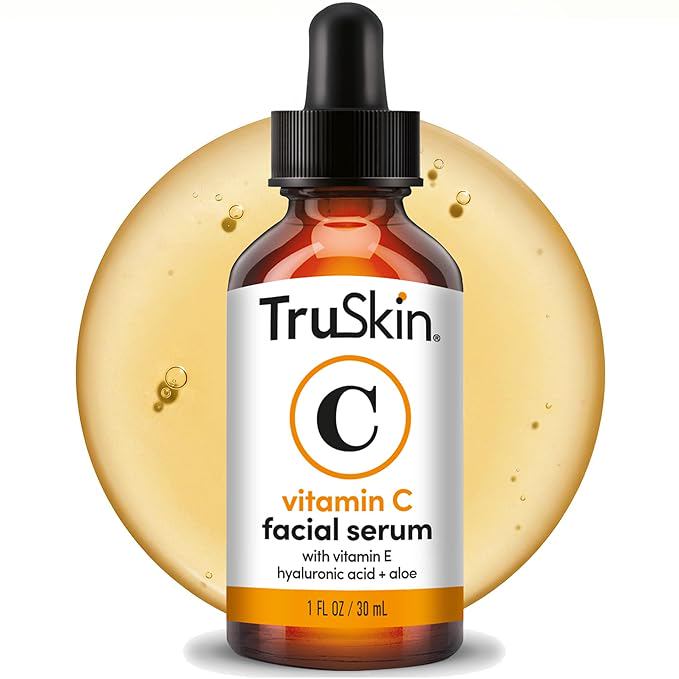
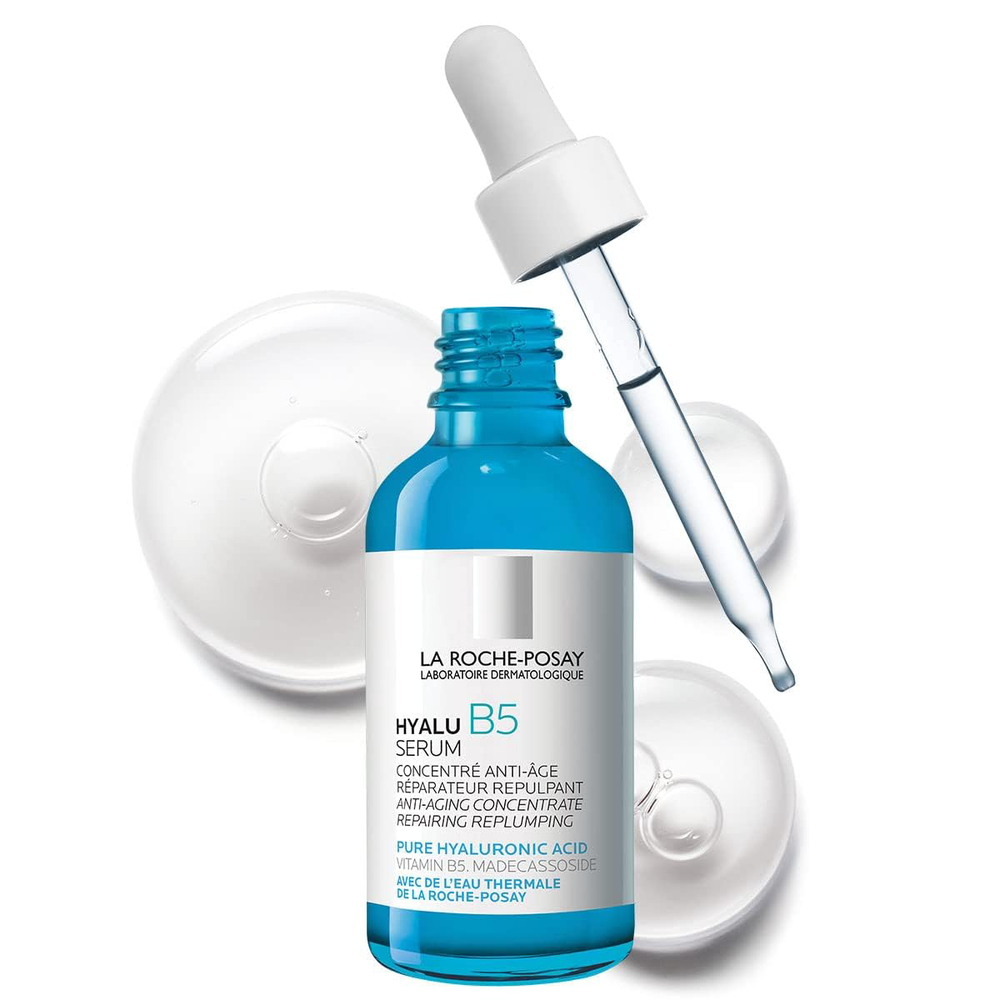
The fix: Layer a hydrating product before your moisturizer. Think of a toner, essence, or serum containing humectants like glycerin, hyaluronic acid, or aloe. These ingredients pull water into the outer layers of the skin. A few spritzes or a light serum applied to damp skin can make a dramatic difference. Wait a minute for it to sink in, then follow with your regular moisturizer to lock everything in.
2. Skipping the occlusive step at night
During sleep, your skin’s transepidermal water loss naturally increases. If your night cream lacks an occlusive agent—something that physically blocks evaporation—much of the moisture you provide will be gone by morning.
Look for ingredients like squalane, shea butter, jojoba oil, or petrolatum (yes, it’s safe and effective). A fine layer of a balm or a slightly thicker cream applied as the final step can reduce overnight water loss. If heavy textures feel too sticky, try an overnight sleeping mask once or twice a week. They’re designed to be left on and create a breathable seal.
3. Forgetting about the skin barrier’s lipid needs
Aging skin loses not just water, but also the lipids that form the protective barrier. Moisturizers that are mostly water and humectants won’t replenish these missing fats. Without enough ceramides, cholesterol, and fatty acids, the barrier stays leaky—water escapes easily, and irritants get in.
Your barrier is like a brick wall. Humectants are the water that soaks the bricks, but without the mortar (lipids), the wall crumbles.
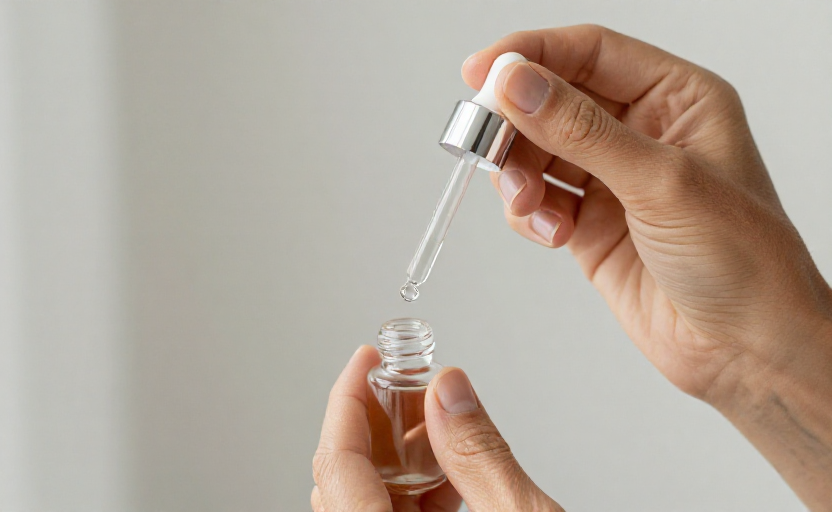
Choose a moisturizer that explicitly lists ceramides, niacinamide (which supports lipid production), or oils rich in linoleic acid. If your current product is mostly water-based, consider adding a few drops of a facial oil before your cream—rosehip, argan, or evening primrose oils are excellent for mature skin.
4. Over-cleansing or using harsh cleansers
Ironically, one of the most common reasons a moisturizer fails is what happens in the sink beforehand. Harsh foaming cleansers, long hot showers, or scrubbing too aggressively can strip the skin of its natural oils within seconds. You then apply moisturizer to a compromised barrier that can’t hold onto it.
Switch to a gentle, non-foaming cleanser—look for words like “cream,” “milk,” or “balm.” Cleanse only once a day in the evening, and rinse with lukewarm water (not hot). In the morning, a splash of water alone may be enough for dry skin types. Also, limit physical exfoliation; a soft washcloth used gently is all you need.
5. Not adjusting your routine for humidity and seasons
Dry skin is often a seasonal or environmental problem. Running indoor heating in winter or air conditioning in summer pulls moisture from the air—and from your skin. The same moisturizer that worked in humid September may be completely inadequate in January.
Keep a second, slightly richer moisturizer on hand for colder months or for dry climates. On very dry days, layer your hydrating serum twice—apply, let it dry slightly, then apply a second layer before sealing with cream. A cool-mist humidifier in your bedroom can also dramatically reduce water loss overnight.
These shifts are small, but they build a more complete approach to hydration. The goal isn’t to replace your favorite moisturizer—it’s to give it the support it needs to actually work. Add a hydrating step, nourish your barrier, and pay attention to how your environment changes your skin. You’ll likely see less tightness, fewer flakes, and a more resilient complexion overall.