
You know that feeling. You wash your face, apply your usual moisturizer, and within an hour your skin feels tight, looks dull, or starts flaking. The immediate instinct is to reach for a thicker cream. But what if the problem isn't a lack of oil—but a lack of water?
There is a meaningful difference between having dry skin (a skin type defined by underactive oil glands) and having dehydrated skin (a temporary condition where the skin barrier lacks water). Dehydrated skin can happen to anyone—even those with oily or combination complexions. When the outermost layer of skin, the stratum corneum, loses water faster than it can retain it, your entire complexion suffers. Here are three early warning signs that point to a barrier that is dehydrated, not just dry.
1. Your skin feels tight even after cleansing
A slight tightness immediately after you rinse your face might seem normal, especially if you use a foaming cleanser. But if that tight sensation lingers for more than a few minutes or feels uncomfortable even after you pat your face dry, it is a red flag. This is not dryness in the classic sense—it is a sign that your skin's natural moisturizing factors (NMFs) have been stripped or are underperforming.
When the barrier is functioning well, it holds onto water from within the deeper layers of the skin. A compromised barrier loses that ability, causing a transient but noticeable contraction of the skin surface after washing. You might also notice that your moisturizer seems to absorb instantly, leaving your face feeling parched again within 20 minutes. This is a hallmark of dehydration: the product provides temporary relief, but the water content itself has not been replenished.
A quick test: Gently pinch a small section of skin on your cheek. If it does not spring back quickly and remains wrinkled or creased for a moment, your barrier is likely low on water, not oil.
2. Fine lines and texture that appear suddenly
Dehydrated skin often produces a phenomenon that cosmetic chemists call "crêping." Instead of deep, static wrinkles, you see a network of very fine, shallow lines that appear after washing or at the end of the day. These often show up around the eyes, between the brows, or on the cheek area where skin is thinner.
Unlike the settled wrinkles of chronological aging, these lines are temporary and directly related to water content. When the stratum corneum lacks moisture, the cells flatten and shrink, causing the skin surface to look slightly irregular or patchy from an increase in transepidermal water loss. Makeup applied over this texture may settle into every tiny crevice, emphasizing them further. If you press gently on your forehead and see a grid of fine lines that smooth out when you hydrate, your barrier is likely crying out for water, not just lipids.
3. A feeling of congestion or oily shininess—with tightness
This sign is the most confusing for many people. Dehydrated skin can actually look shiny, feel greasy, or develop small bumps that resemble closed comedones. How is that possible? When your barrier lacks water, the body sometimes overcompensates by producing extra sebum in a misguided attempt to seal the surface and limit water loss. The result is a paradoxical state: your skin feels tight (dehydrated), yet looks oily (reactive sebum production).
You might notice this after flying, during winter months when indoor heating is on, or after using a new exfoliating product. The T-zone gets slick, but the cheeks feel papery. If you try to manage it with oil-absorbing products or strong cleansers, the dehydration typically worsens, leading to more breakouts, redness, or a rough, uneven tone. A dehydrated barrier often has a compromised microbiome, making it more reactive to products that previously were tolerated well.
How to tell if it is dry skin or dehydrated skin
Distinguishing between the two is the first step to fixing the problem. Dry skin is a consistent state—your skin naturally produces less sebum, so it tends to feel rough, flaky, or matte year-round, especially on the cheeks and sides of the face. Dehydrated skin is a condition that can fluctuate daily or weekly based on weather, water intake, sleep, and product use.
Your morning routine offers the best diagnostic moment. Right after cleansing, before applying anything, look at your skin in natural light. If it looks parched and feels tight, you are dealing with dehydration. If it looks normal but feels tight, that is also dehydration. If it looks dry and feels comfortable, it is likely your skin type.
Key insight: Dehydrated skin needs humectants (like glycerin, hyaluronic acid, or aloe) to pull water into the cells. Dry skin needs emollients and occlusives (like squalane, shea butter, or ceramides) to seal oil in. Many people need both, but the order matters.
What to do if you spot these signs
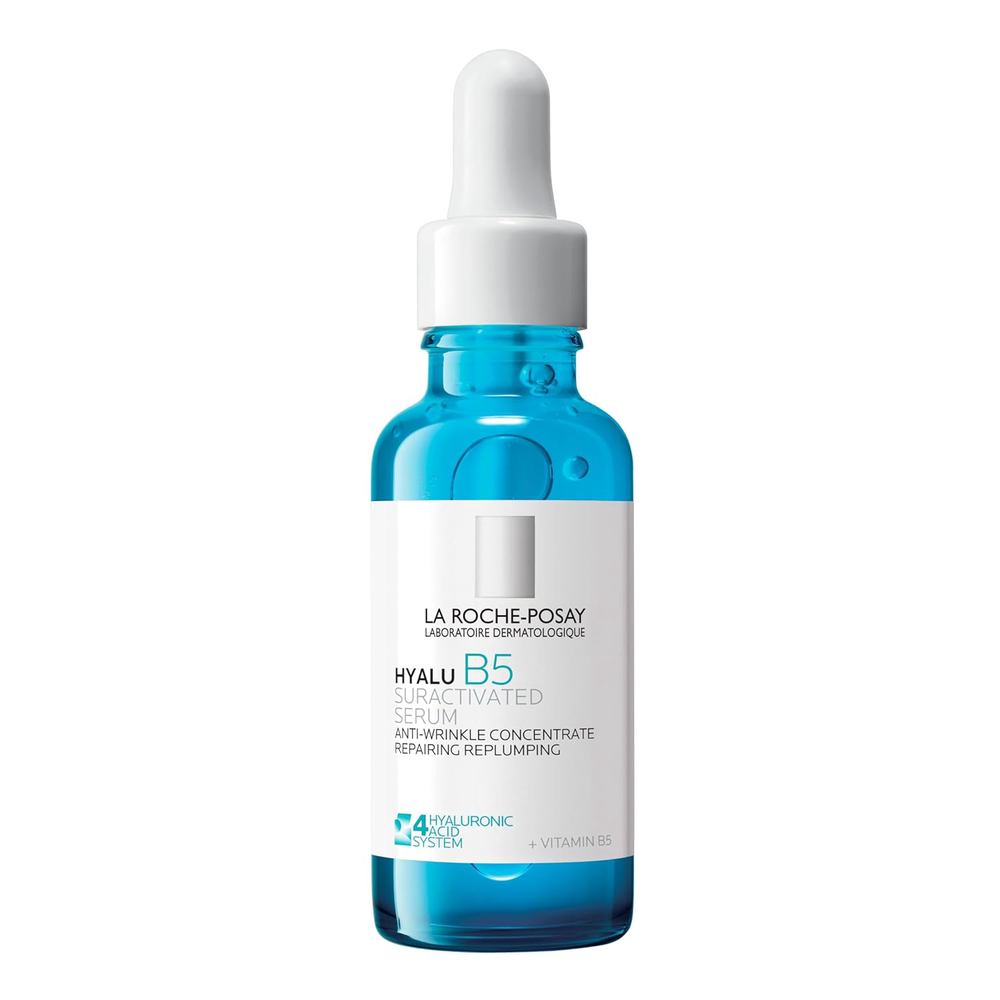
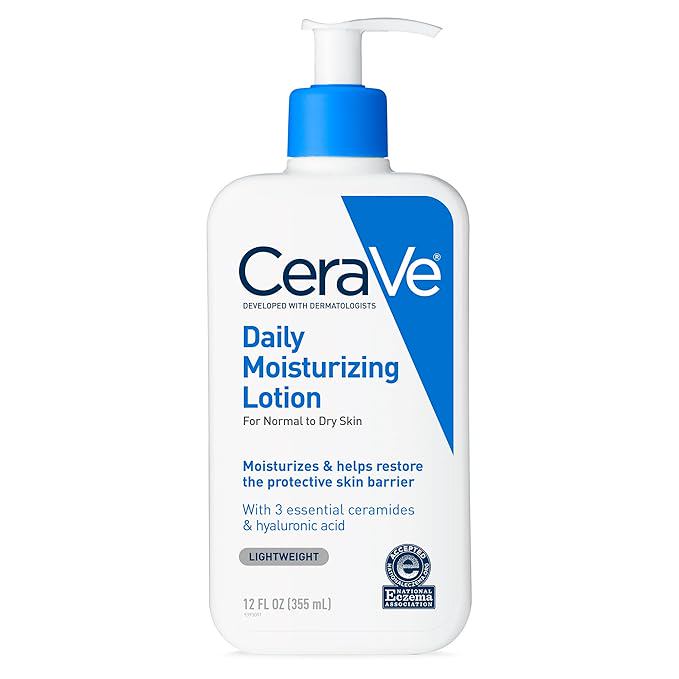
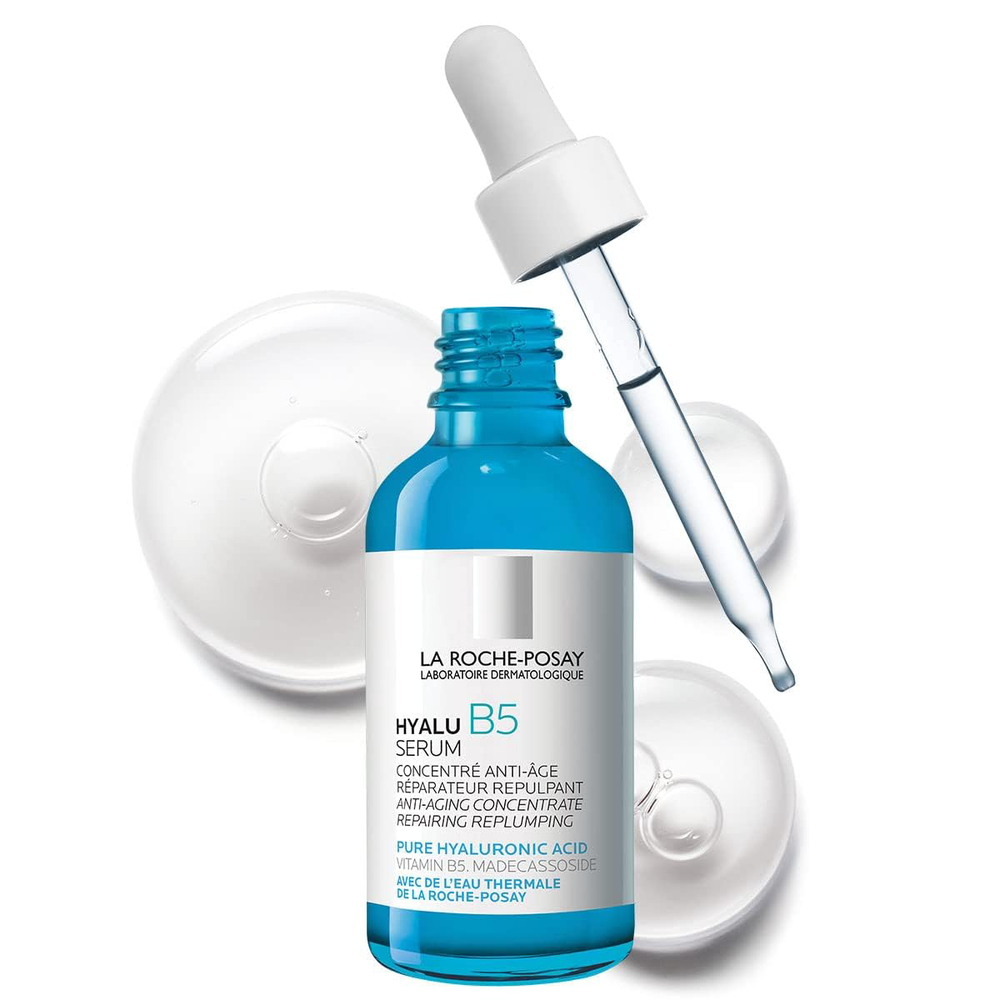
If any of the three warning signs resonate, the priority is to stop stripping the barrier and restore water content. Avoid foaming sulfate cleansers for a week—switch to a gentle milk or oil-based cleanser that does not leave skin feeling tight. Add a humectant-rich serum or toner while the skin is still damp, then lock it in with an occlusive moisturizer.
Simplification is key. Over-exfoliation is one of the most common causes of barrier dehydration. Cut back on active ingredients like retinoids, AHAs, and BHAs for a few days, and focus on hydration. Drinking enough water throughout the day supports systemic hydration, but topical hydration is the fastest route to calming a dehydrated barrier.
Patience matters. With consistent care, most people see improvement in skin texture and comfort within three to five days. If tightness, irritation, or stinging persists beyond a week despite gentle care, consider consulting a dermatologist to rule out conditions like eczema or contact dermatitis.