
That first horizontal line across your forehead might have appeared slowly. One morning you catch the light at a certain angle, and there it is—a crease that stays put even when your face is relaxed. Forehead lines are one of the most common skin concerns for people entering their thirties and forties, and they're also one of the most preventable. To understand what actually causes them, you need to look beneath the surface.
What forehead lines actually are
Forehead lines are dynamic wrinkles that become static over time. When you raise your eyebrows, the frontalis muscle—the broad sheet of muscle under your forehead skin—contracts. This pulls the skin into temporary folds. In youthful skin, the underlying structure bounces back completely after the muscle relaxes. With age and repeated movement, the skin's support system weakens, and those temporary folds become etched into place.
The key players in this process are collagen, elastin, and the layer of fat that sits between your skin and muscle. Collagen gives the skin its firm structure. Elastin allows it to snap back after stretching. The superficial fat pad provides a cushion that prevents the skin from creasing deeply when the muscle contracts.
“Think of young skin as a well-stuffed mattress. The collagen and elastin are the springs, and the fat is the padding. Over time, the springs loosen and the padding thins, so the top layer starts to develop permanent folds.”
The expression factor: how movement creates lines
Every time you raise your eyebrows in surprise, squint against bright sun, or furrow your brow in concentration, the frontalis muscle shortens. This contraction forces the overlying skin into accordion-like folds along predictable lines. These lines run horizontally across the forehead, usually three or four parallel creases. In some people, vertical “glabellar” lines between the eyebrows also appear due to the corrugator muscles.
Repetition is the problem. If you make the same expression thousands of times over many years, the skin's elastic fibers begin to fray like an overused rubber band. The body repairs this damage slowly, and with each passing decade, the repair process becomes less efficient.
Sun exposure and collagen breakdown
Ultraviolet radiation is the single most destructive external factor for forehead lines. UV rays penetrate deep into the dermis, where they generate free radicals that damage collagen fibers and inhibit the production of new collagen. This process is called photoaging, and it accelerates the formation of wrinkles dramatically.
A 2013 study published in the journal Clinical Interventions in Aging found that people with higher cumulative sun exposure developed forehead wrinkles an average of seven years earlier than those who protected their skin consistently. The forehead is especially vulnerable because it's one of the most sun-exposed areas of the body and often receives less sunscreen coverage than the nose or cheeks.
Volume loss: the hidden cause
As we age, the deep fat compartments in the face begin to atrophy. The forehead has several distinct fat pads that sit between the muscle and the skin. When these pads shrink, the skin loses its structural support and begins to sag. More importantly, the skin now has less padding to absorb the mechanical stress of facial expressions. The muscle contraction creates deeper, more pronounced folds because there is less tissue to buffer the movement.
This volume loss typically starts in the late thirties and accelerates after menopause in women, when estrogen levels drop and collagen production declines sharply. Men experience a similar but slower process, partly because their skin is thicker and contains more collagen overall.
Sleep position and compression wrinkles
One factor that is often overlooked is sleep position. Pressing your face into a pillow for seven to eight hours each night creates sustained compression on the forehead. Over time, this can deepen existing lines or create new ones. Sleep wrinkles are distinct from expression wrinkles—they tend to be more vertical or diagonal across the forehead rather than purely horizontal.
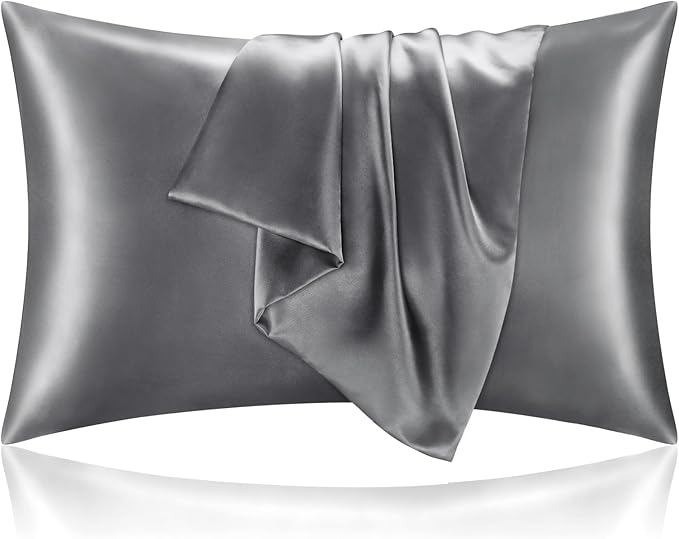
Switching to a silk or satin pillowcase reduces friction and compression. Sleeping on your back is the ideal position for preventing forehead wrinkles, though it may require some adjustment if you're accustomed to side sleeping.
Prevention strategies that actually work
Daily sun protection
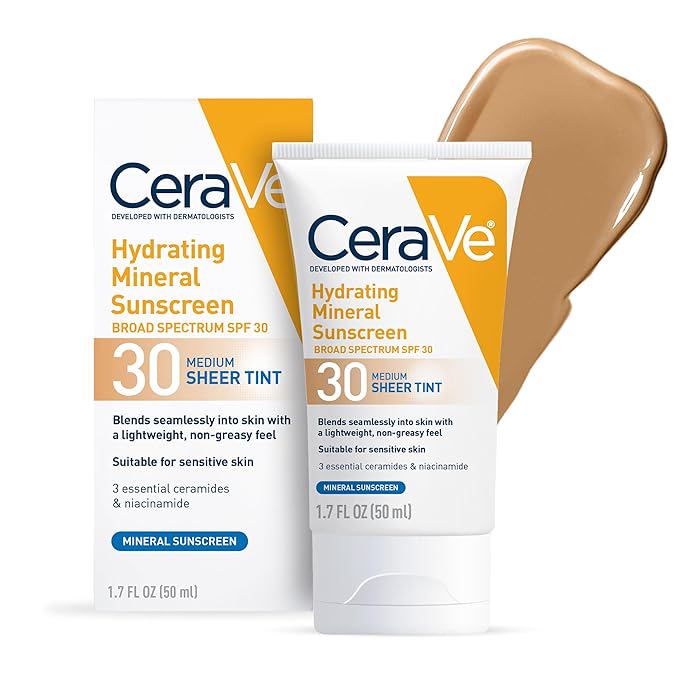
Broad-spectrum sunscreen with an SPF of at least 30 applied every morning to the forehead is the single most effective prevention measure. Reapplication matters, especially if you spend time outdoors. Physical blockers like zinc oxide or titanium dioxide offer excellent protection without the irritation that chemical sunscreens sometimes cause.
Topical retinoids
Retinoids—vitamin A derivatives—stimulate collagen production and accelerate skin cell turnover. Over-the-counter retinol creams and serums can improve the appearance of fine lines and slow the formation of deeper wrinkles. Prescription-strength tretinoin is more potent but requires medical supervision and a gradual introduction to avoid irritation.
Hydration and barrier support
Well-hydrated skin is more resilient to mechanical stress. A daily moisturizer containing humectants like glycerin or hyaluronic acid draws water into the skin, while emollients and occlusives lock that moisture in. Ceramides support the skin barrier, reducing water loss and helping the skin stay plump.
Botox for dynamic lines
Botulinum toxin injections temporarily relax the frontalis muscle, preventing it from contracting forcefully. This stops the repetitive folding motion that creates dynamic lines. Many people who start Botox in their late twenties or early thirties find that their forehead lines remain minimal even after the effects wear off, because the skin has not been repeatedly creased for years. This is a medical procedure that should only be performed by a licensed healthcare professional.
Diet and lifestyle
Chronic inflammation accelerates collagen breakdown. A diet rich in antioxidants—vitamin C, vitamin E, polyphenols—can help protect existing collagen. Found in citrus fruits, berries, nuts, and green tea, these compounds scavenge free radicals before they can damage skin structure. Smoking is catastrophic for forehead lines because nicotine constricts blood vessels in the skin, starving collagen-producing cells of oxygen and nutrients.
What to expect from prevention
No prevention strategy can stop the aging process entirely. Forehead lines are a normal part of getting older, and some people are genetically predisposed to develop them early regardless of their habits. The goal of prevention is not perfection but preservation: slowing the rate at which dynamic lines become static, maintaining skin resilience, and keeping the forehead looking smooth for as long as possible.
Consistency matters more than intensity. A simple daily routine of sunscreen, moisturizer, and a retinoid at night will outperform sporadic high-end treatments. Protecting your skin in your twenties and thirties gives you a significant advantage in your forties and beyond.