
You don’t need a cabinet full of expensive serums to keep horizontal forehead lines at bay. In fact, many of the most effective strategies are straightforward, consistent, and backed by dermatologists who treat these exact concerns every day. The goal isn’t to freeze your face; it’s to support your skin’s resilience so that expression lines remain just that—expressions, not permanent creases.
Forehead lines form from a combination of repeated muscle movement (raising your eyebrows, squinting), sun damage, and a gradual loss of collagen and elastin as we age. While we can’t stop time, we can significantly slow down the etching process with a focused routine and a few habit shifts. Here’s what skin experts recommend.
Why simple skin care beats a complicated routine
Many people respond to the first hint of a forehead line by layering on retinoids, acids, and peptides all at once. Dermatologists warn that this often backfires. Over-exfoliation and irritation can weaken the skin barrier, making fine lines look more pronounced rather than less. A simpler, targeted approach is more sustainable and effective.
The core pillars are hydration, photoprotection, and gentle support of collagen production. If your skin is calm and well-moisturized, fine lines are less visible, and the surface is better prepared to absorb active ingredients without irritation.
The three non-negotiables for prevention
Before diving into products, it helps to think of prevention as a tripod. Remove any one leg, and the structure falls.
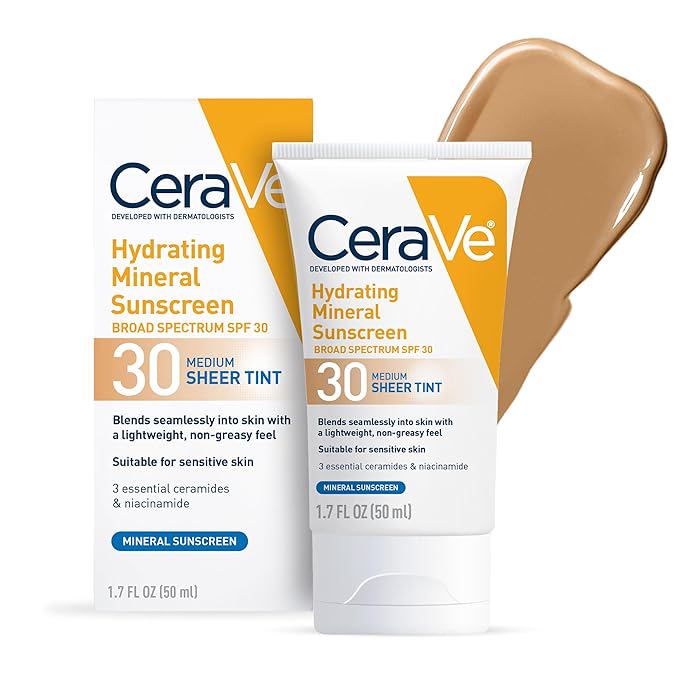
- Daily broad-spectrum sunscreen (SPF 30 or higher). Ultraviolet rays break down collagen and elastin, accelerating wrinkle formation. Apply it every single morning, even on cloudy days or if you’re indoors near windows. This is the single most evidence-backed step for preventing forehead lines.
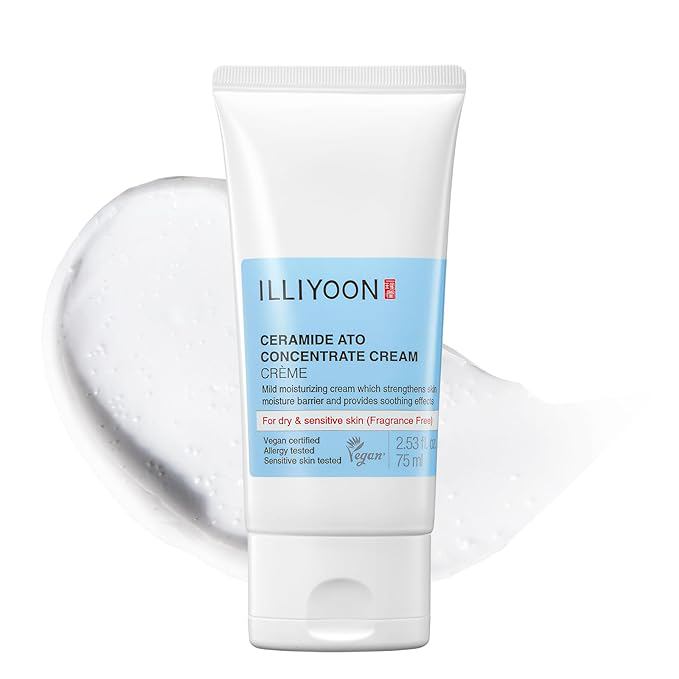
- Consistent moisturizer with barrier-supporting ingredients. A well-hydrated stratum corneum (the outermost skin layer) plumps the skin temporarily, which minimizes the appearance of existing fine lines and creates a healthy environment for repair. Look for ceramides, glycerin, or squalane.
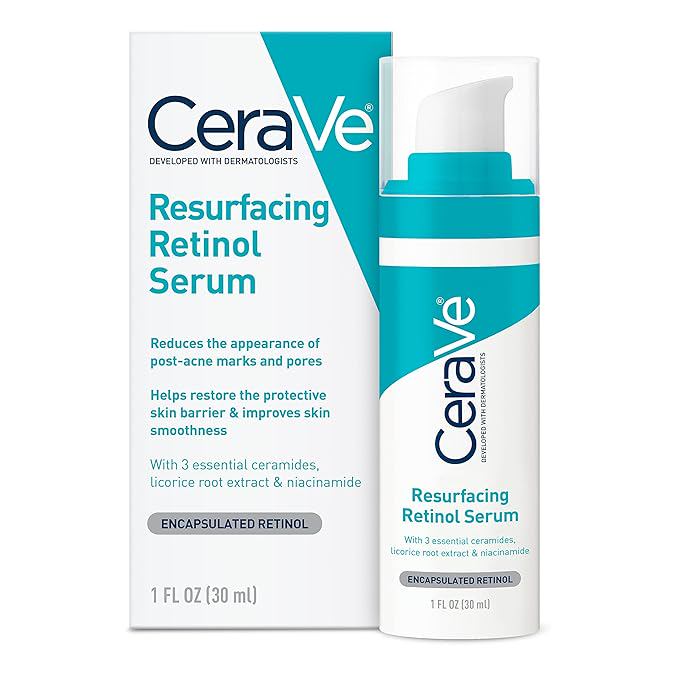
- A retinoid (retinol or retinaldehyde) used correctly. Retinoids stimulate collagen production and speed cell turnover, which helps smooth fine lines over time. The key is to start low (0.25% or 0.3% retinol) and go slow—once or twice a week at first, then gradually increase as your skin adjusts. Always use it at night and follow with moisturizer.
“Start with a pea-sized amount of retinol, no more. If your skin feels tight or stings, you’re using it too often or too high a strength. Back off until your skin barrier is happy.” — common guidance from dermatologists
Daily habits that forehead lines hate
Products matter, but so do movement patterns and sleep posture. Over time, small repetitive actions can deepen horizontal creases.
Be mindful of your facial expressions. This doesn’t mean looking blank or stoic. It simply means catching yourself when you habitually raise your eyebrows while reading, applying makeup, or talking on the phone. Subtly relaxing the forehead muscles throughout the day can reduce the constant folding of skin that eventually becomes etched.
Sleep on your back if you can. Side sleeping presses the forehead and cheeks into the pillow for hours, creating compression lines. A silk or satin pillowcase creates less friction, but a back-sleeping position is even better. Consider a cervical support pillow to make this more comfortable.
Double up on eye hydration. The skin around the eyes is thin and often neglected in forehead-line prevention, but squinting is a direct contributor to both forehead and crow’s-feet lines. If your eye area feels dry, apply a gentle, fragrance-free eye cream or even a dab of your regular moisturizer under the eyes and on the brow bone before sunscreen.
Three ingredients derms actually recommend (and one to skip)
Navigating the ingredient list is easier when you know what to look for—and what is likely overhyped.
Ingredients that earn their spot
- Niacinamide (vitamin B3). It’s a multitasker: strengthens the skin barrier, reduces redness, and can help smooth fine lines. It layers well under sunscreen and pairs nicely with retinoids without causing irritation.
- Peptides. These short chains of amino acids signal skin cells to produce more collagen. While the effect is gentler than retinol, they’re excellent for daytime or for those who cannot tolerate retinoids.
- Vitamin C (L-ascorbic acid or a stable derivative). A good daytime antioxidant, vitamin C helps protect against free radical damage from UV and pollution. It can brighten skin tone and support collagen synthesis. Use it in the morning under your sunscreen.
The ingredient that often falls short
Collagen creams (topical collagen). While moisturizing, the collagen molecules in most creams are too large to penetrate the skin and stimulate new collagen. Your money is better spent on ingredients that actually support your skin’s own collagen production, like retinol, vitamin C, or peptides.
When in-office treatments come into play
For some people, a consistent skin care routine isn’t enough to keep forehead lines from deepening, especially if they have strong forehead muscles or deep-set expression creases. At that point, dermatologists may mention minimally invasive options. These are not part of a simple skin care routine, but it helps to know what exists so you can have an informed conversation with a board-certified dermatologist.
Neurotoxin injections (often referred to by brand names like Botox or Dysport) temporarily relax the frontalis muscle that creates horizontal forehead lines. When used preventively in small doses, the goal is “softened expression” rather than a completely frozen look. This is a medical procedure with risks and costs, and it should only be performed by a qualified professional. The article’s focus remains on prevention through skin care, not procedures.
The bottom line on forehead line prevention
Preventing forehead lines doesn’t require a ten-step routine or weekly visits to a clinic. It requires consistency with a few high-impact steps: daily sunscreen, a gentle moisturizer, a well-tolerated retinoid, and mindful movement. If you add in a morning antioxidant and a silk pillowcase, you’re ahead of the vast majority of people. The key is to start early (in your twenties or early thirties) and stick with it—but it’s never too late to reduce further progression. Healthy skin is a long game, and the simplest strategies often win.