
If you've noticed that your jawline isn't quite as sharp as it used to be, or that the skin on your cheeks feels a little less springy, you're not imagining it. For many people, their 40s mark a real shift in skin firmness. The good news is this isn't random. It's a clear biological process, and understanding it removes the mystery. Once you know what's happening under the surface, you can focus on what actually helps.
What really happens to skin structure as we age
Think of your skin as a mattress. The top layer is the quilted cover, but what gives it support and shape is the spring system underneath. That spring system is mostly made of collagen, elastin, and hyaluronic acid—natural proteins and molecules that keep the skin plumped up and springy. Starting as early as your mid-20s, we lose about 1 percent of our collagen each year. By age 40, that loss is significant. Elastin, the protein that lets skin bounce back after you smile or squint, also starts to fragment. Add in the gradual depletion of hyaluronic acid, which holds water, and you get a thinner, less bouncy support structure. Skin starts to feel looser because the mattress springs are wearing out.
Beyond collagen: the hidden drivers of sagging skin
Collagen loss is the main event, but several other factors accelerate the drop in skin firmness. Gravity is the obvious, passive force. It pulls down at the tissues we lose volume in—fat pads in the cheeks and temples also shrink as we age. When the cushioning fat beneath the skin recedes, the skin itself has less padding, which can create jowls and deeper nasolabial folds. Bone resorption in the facial skeleton, particularly in the jaw and eye sockets, further reduces the framework the skin sits on. When the scaffolding shrinks, the covering loosens. Free radical damage from UV exposure and pollution also breaks down collagen fibers directly. Think of it as the difference between a new elastic band and one left in the sun—the same principle applies inside your skin.
Can you really firm your skin naturally?
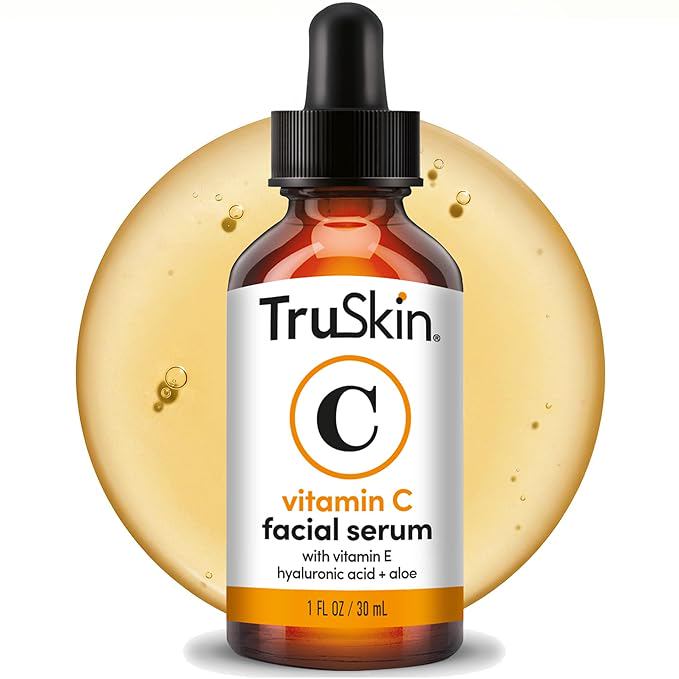
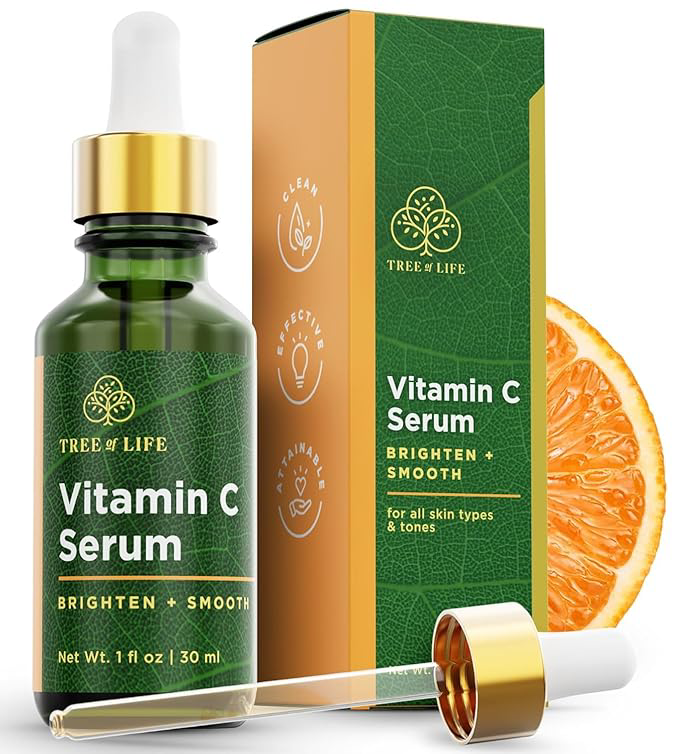
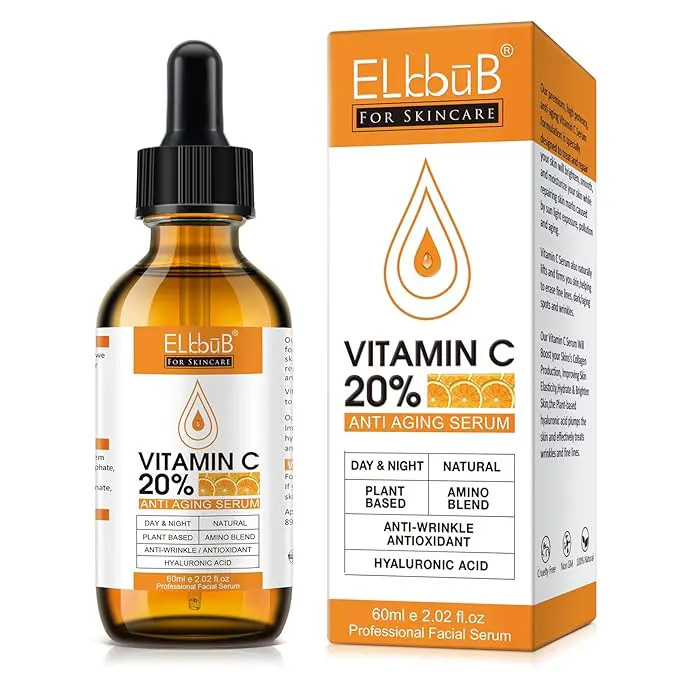
Yes, but it helps to be specific about what "firming" means. You cannot rebuild your skin to your 25-year-old state with a cream or a massage. You can, however, significantly improve the tone, thickness, and resilience of your skin in your 40s. Targeted ingredients like retinol (a vitamin A derivative) are clinically proven to stimulate collagen production, but it must be used consistently over months. Vitamin C serums, particularly L-ascorbic acid, can protect existing collagen from UV damage and help brighten the skin. Peptides—short chains of amino acids—signal the skin to produce more collagen and elastin. Daily broad-spectrum SPF 30 or higher is non-negotiable here, as UV light is the single biggest preventable cause of collagen breakdown. These are practical, research-backed steps.
Lifestyle adjustments that actually work
Sleep is a major factor often overlooked. During deep sleep, the body releases growth hormone, which supports collagen synthesis and cell repair. Chronic poor sleep can lead to a measurable drop in skin elasticity. Diet matters, too. Protein provides the building blocks for collagen, and vitamin C helps your body use that protein. Smoking is a direct antagonist—it reduces blood flow to the skin and triggers enzymes that break down collagen and elastin. If you smoke, stopping is the single most effective thing you can do for skin firmness.
Procedures and professional options
For those who want a more noticeable change, the dermatology field has effective, non-surgical options. Radiofrequency microneedling delivers heat deep into the dermis, stimulating collagen. Ultrasound-based treatments like Ultherapy target the deeper foundational layer known as the SMAS, which is the same layer a surgical facelift addresses. These are not quick fixes; results build over a few months as new collagen forms. Laser resurfacing can improve texture and stimulate collagen on a more superficial level. The right choice depends on your skin type, tolerance for downtime, and specific goals. Any procedure should be discussed with a board-certified dermatologist.
Consistency with a good skincare routine and sun protection is more powerful than any one-time treatment.
Setting realistic expectations
It is easy to feel overwhelmed by the sheer number of products and treatments claiming to lift and firm. The most important step is understanding that no single ingredient will replace lost volume or reverse years of sun damage. A practical approach combines daily sun protection, a retinol or peptide serum, adequate sleep, and a good diet. If you want more lift, a professional treatment can provide a tangible improvement, but it will never look the same as a surgical lift. That is fine. Many people find that a firmer, healthier version of their own face—with lines and slight sags that show a lived-in life—is exactly the goal. The goal is better, not perfect.