We all notice the first fine lines that appear around the eyes or the way our skin seems less plump after a late night. While the beauty aisle is full of promises in a jar, the real power for preserving your skin's youth starts on your plate. The connection between what you eat and how your skin ages is not just a theory — it's visible biology.
When skin wrinkles, it's often due to a process called oxidative stress. This is where unstable molecules — free radicals — damage your skin cells, degrade collagen, and break down elastin, the very structures that keep your face firm and bouncy. The defense system? Antioxidants. These compounds neutralize free radicals before they can wreak havoc. To be specific, there are three powerhouse antioxidant-rich foods that consistently show up in the research for their ability to fight wrinkle formation naturally.
Why Antioxidants Matter for Skin Structure
Think of your collagen as the scaffolding under your skin. Every day, sun exposure, pollution, stress, and even your own metabolism create free radicals that attack this scaffold. Without enough antioxidants, your body's repair crew falls behind. The result is sagging, fine lines, and deeper creases.
You cannot stop the clock, but you can slow down the damage. A diet rich in specific antioxidants does two things: it prevents new wrinkles from forming by shielding the collagen, and it supports your body's natural repair processes. The three foods below are not random superfoods — they are evidence-based choices that target different stages of skin aging.
1. Wild Salmon: Your Skin's Fat Barrier
Salmon is often praised for its omega-3 fatty acids, but what makes it a direct wrinkle-fighter is the astaxanthin. This is a carotenoid pigment — the same one that gives salmon its pink-red color — and it is one of the most potent natural antioxidants known. It is particularly good at protecting skin cell membranes from UV damage and inflammation.
Beyond astaxanthin, salmon is rich in selenium and vitamin E, two antioxidants that work together to prevent lipid peroxidation — the rancidity of fats in your skin's outer layer that leads to dryness and cracking. Wild salmon has significantly more astaxanthin than farmed varieties, so choose it when you can.
A note on quality: Look for salmon from cold, clean waters. The deeper the color, the higher the antioxidant content.
2. Blueberries: More Than Just Vitamin C
We all know citrus is good for immunity, but blueberries are arguably more valuable for your skin. They contain anthocyanins — the compounds that give them their deep blue hue — which are powerful antioxidants that inhibit the enzymes that break down collagen. In plain terms, eating blueberries can help your skin hold onto its collagen longer.
Blueberries also have a high ORAC score (Oxygen Radical Absorbance Capacity), meaning they neutralize a wide spectrum of free radicals. They are particularly effective at reducing the appearance of already-formed fine lines by improving skin elasticity. Fresh or frozen, the antioxidant profile remains strong, making them an easy daily addition to a smoothie or bowl of oatmeal.
Unlike some fruits that lose potency when cooked, blueberries retain much of their antioxidant capacity even when lightly heated. This makes them versatile for both raw and cooked preparations.
3. Dark Leafy Greens: The Collagen Partner
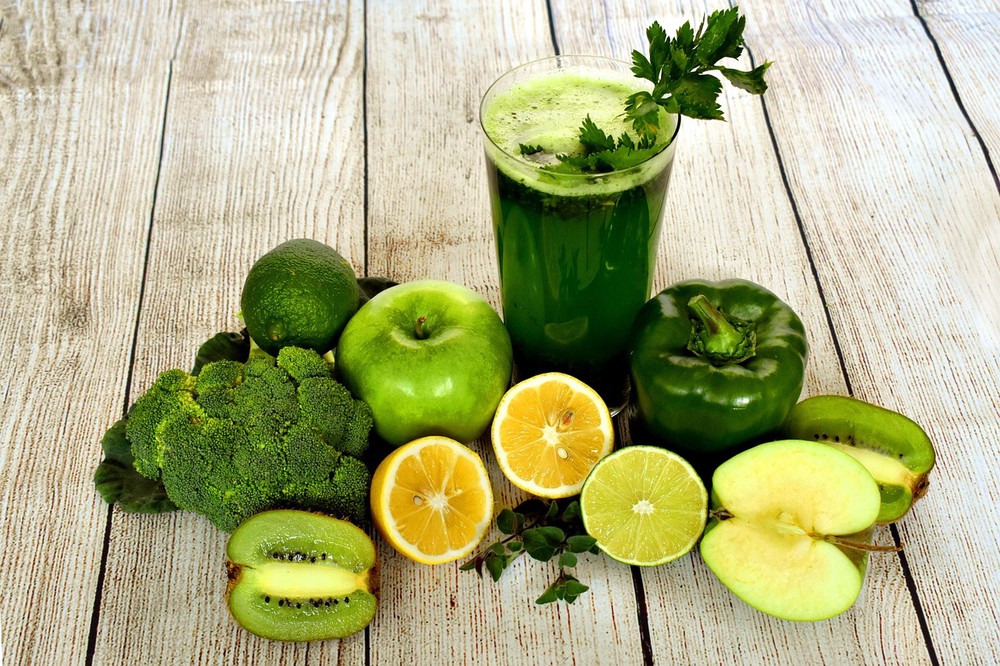
Spinach, kale, and Swiss chard do not get enough credit for their role in wrinkle prevention. They are packed with lutein and zeaxanthin — carotenoids that specifically accumulate in the skin and protect it from UV-induced damage. UV rays are the number one cause of premature wrinkling, and these compounds act like an internal sunscreen, absorbing blue light and oxidative stress.
These greens also deliver a steady supply of vitamin C and vitamin K. Vitamin C is essential for collagen synthesis — your body literally cannot build new collagen without it. Vitamin K helps reduce dark circles and supports circulation to the skin surface, giving you a more even tone. The fiber in leafy greens also supports gut health, which is increasingly linked to inflammation levels throughout the body, including the skin.
Tip: To absorb the fat-soluble antioxidants like lutein, pair your greens with a healthy fat like olive oil or avocado.
How to Combine These Foods for Maximum Benefit
You do not need a complicated regimen. A simple pattern that works is to include one serving of wild salmon per week (or replace it with sardines or mackerel for similar astaxanthin content), a half-cup of blueberries daily, and a generous handful of leafy greens in at least one meal per day. Consistency over time is what builds visible results — not a single detox or juice cleanse.
Beyond these three, support your skin with adequate hydration, limit refined sugar (which damages collagen through glycation), and always wear a broad-spectrum sunscreen. No food can erase wrinkles that are already deep, but these three antioxidant-rich foods can slow the formation of new ones and improve the overall tone and texture of your skin.