
When you catch your reflection in a dim screen or glance up from a book and see those horizontal lines across your forehead, it's easy to chalk them up to the inevitable march of time. But here's the truth most dermatologists will tell you in a quiet moment: your forehead skin is a direct mirror of your daily habits. While genetics play a role, a surprising number of those etch lines come from things you are doing—or not doing—right now, tonight. Understanding what is actually driving those creases gives you back a sense of control. Let's look at six concrete, modifiable causes you can address starting this evening.
1. Repeated facial expressions while asleep
You might think your face rests at night, but for many people, the forehead is in a state of chronic contraction. Side and stomach sleepers press their face into a pillow, which folds the forehead skin into deep, sustained creases for hours. This mechanical folding, combined with the pressure of your head weight, creates a repetitive stress pattern that collagen can't keep up with. The fix is surprisingly simple: try a silk or satin pillowcase to reduce friction and compression. For deeper lines, some people find a soft cervical pillow—the kind designed for neck support—keeps the face off the surface entirely. It feels odd for a few nights, but the difference in morning crease depth is noticeable within a week.
2. The static squint habit
If you wear glasses or contacts, you already know the scowl of trying to read a menu in dim light. But there is a more subtle, pervasive version of this: the constant micro-squinting many of us do at screens, or when concentrating at a desk. Each tiny contraction of the frontalis muscle (the one that lifts your brows and creates horizontal forehead lines) tugs at the skin. Over a decade, thousands of these micro-movements create a permanent etching. The amateur solution? Adjust your screen brightness and text size to eliminate any need to lean forward. Blue-light glasses can also reduce eye strain, which in turn reduces the unconscious squint. Tonight, set your phone to a larger font and move your monitor closer if you find yourself leaning in.
3. Dehydrated skin loses bounce
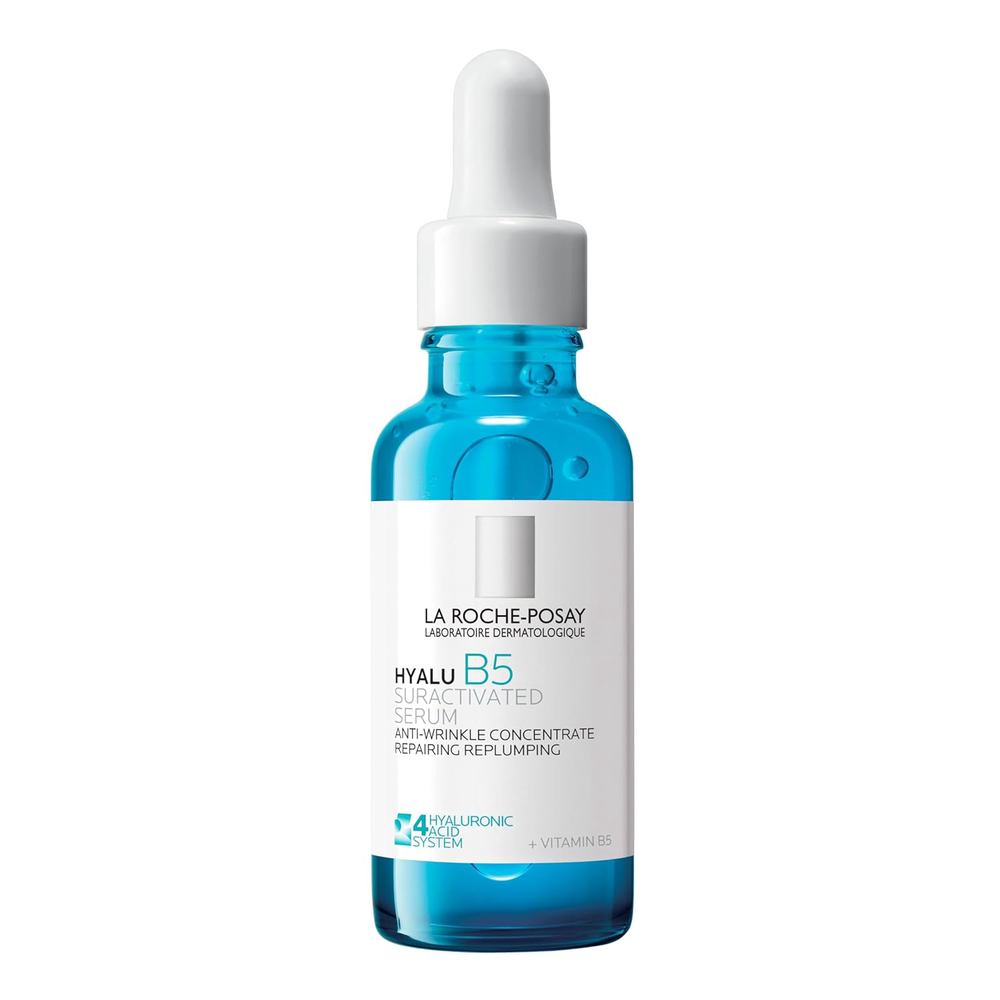
Think of the skin on your forehead as a tall, dry sponge left on the counter. Sponges that are fully saturated are plump, soft, and resist folding. When your skin is dehydrated on a cellular level—not just feeling tight—it loses the structural integrity to bounce back after a facial movement. Even mild dehydration (the kind most of us walk around with) makes every line more visible. The key factor here is not just water intake but the skin barrier's ability to hold onto moisture. Starting tonight, apply a simple ceramide-based moisturizer or a hyaluronic acid serum to damp skin post-shower. Avoid stripping cleansers that foam aggressively; they rob your forehead of natural oils that maintain that elastic bounce.
4. Incorrect skincare product layering order
This is the silent saboteur that often goes undiagnosed. Many people apply heavier creams on their cheeks and jaw but leave their forehead exposed to a thin layer of lightweight lotion that evaporates by 2 a.m. The forehead has the least amount of subcutaneous fat on the face, meaning it needs more occlusive protection, not less. If you are using a retinol or an active serum, your forehead may be getting over-treated because it's the first place you apply product (you naturally sweep from the center out). The fix: switch your application order so you apply thicker moisturizer from the hairline down, and let your forehead be the last area to receive active ingredients. This is a simple change you can make in tonight's routine with zero extra cost.
5. Unrecognized sun exposure through windows
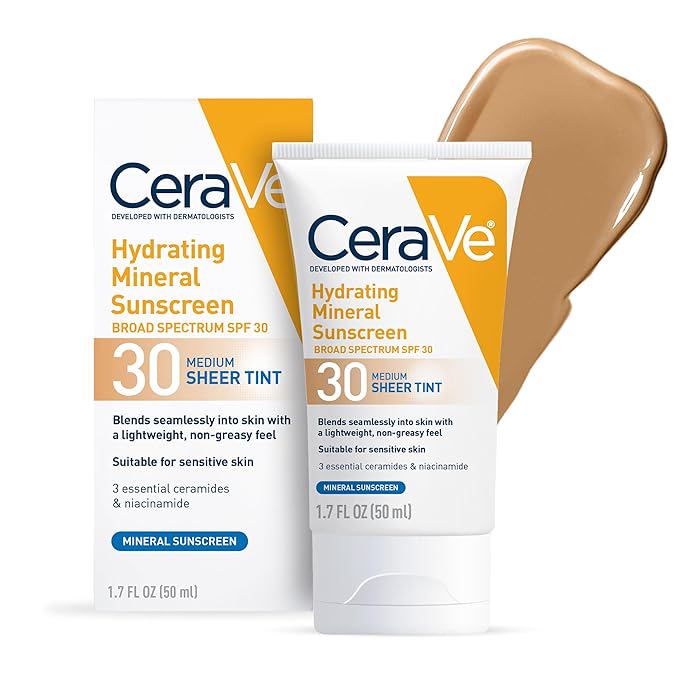
The driver who has a two-hour commute each way, the desk worker next to a window, the person who walks their dog for 30 minutes without sunscreen—none of these feels like sunbathing, but cumulative UVA exposure from incidental sources is a primary cause of premature wrinkling. UVA rays penetrate through glass, and they break down collagen and elastin in the deep dermis. Forehead skin, being one of the most forward-facing surfaces of the body, gets the brunt of this. The simple habit to adopt tonight: keep a mineral sunscreen (zinc oxide or titanium dioxide) next to your front door or car keys. Apply it to your forehead every morning, even if you are staying indoors. Think of it as a shield against light you cannot see.
6. Overnight expression of stress in your jaw and scalp
Bruxism (teeth grinding) and scalp tension are not just oral health issues. When you clench your jaw, you also unconsciously contract the frontalis muscle and the temporalis muscle at your temples. This tension pulls the skin on your forehead upward and outward, deepening existing lines. Many people do this primarily during sleep, especially during periods of stress. Starting tonight, try a simple practice: just before you fall asleep, consciously place your tongue on the roof of your mouth (the spot behind your front teeth) and relax your jaw. You can also consider a very lightweight mouthguard from your dentist if you wake with a sore jaw or headache. Less tension in the scalp and jaw directly translates to fewer forehead movements, and fewer movements mean less deepening of lines over time.
A single night of changed habits won't erase lines, but the cumulative effect of consistent small adjustments is far more powerful than any topical cream.
The common thread in all six of these causes is that they are mediated by your environment, your daily setup, and your conscious choices—not just your DNA. You do not have to buy a $300 device or submit to injections. You just have to watch how you sleep, how you squint, and how you hydrate. Start with one change tonight. The rest can follow.