
Gestational diabetes often comes as a surprise during pregnancy. You might be eating well, staying active, and feeling fine — only to find your blood sugar levels are higher than expected. This condition affects how your cells use glucose, and it usually shows up around the 24th week of pregnancy. Understanding why gestational diabetes happens can help you make sense of your diagnosis and take practical steps to manage your health.
Here are three common causes behind gestational diabetes and what you can do to lower your risk — whether you’re planning a pregnancy or already expecting.
Cause 1: Hormonal changes from the placenta
Your placenta is a lifeline for your baby, but it also produces hormones that can interfere with insulin. As the placenta grows, it releases human placental lactogen, estrogen, progesterone, and cortisol. These hormones make your cells less responsive to insulin — a natural process called insulin resistance.
For most women, the pancreas simply pumps out more insulin to compensate. But if your pancreas can’t keep up, blood sugar rises, and gestational diabetes develops.
Key point: This insulin resistance is a normal part of late pregnancy. The problem isn’t the hormones themselves — it’s whether your body can adapt.
What you can do
You can’t control placental hormones, but you can support your pancreas by keeping blood sugar steady. Eating balanced meals with protein, fiber, and healthy fats helps slow glucose absorption. Small, frequent meals may also reduce the demand for large insulin surges.
Cause 2: Pre-existing insulin resistance and body weight factors
Some women enter pregnancy with a higher baseline level of insulin resistance. This can be linked to excess body weight, particularly around the abdomen, or to a condition like polycystic ovary syndrome (PCOS). When pregnancy adds placental hormones on top of existing resistance, the risk of gestational diabetes climbs significantly.
Body mass index (BMI) over 30 is one of the strongest predictors. But it’s not just weight — where you carry fat matters. Visceral fat (deep belly fat) actively releases inflammatory signals that make insulin less effective.
What you can do
If you’re planning pregnancy, working toward a healthy weight before conception can reduce your risk. Even losing 5–7% of body weight — if you’re overweight — improves insulin sensitivity. During pregnancy, focus on controlled weight gain rather than weight loss. Your doctor can guide you on a healthy range based on your starting BMI.
Physical activity also helps your muscles use glucose more efficiently. A brisk 20–30 minute walk after meals is especially effective at lowering post-meal blood sugar.
Cause 3: Genetic predisposition and family history
Your genes play a role in how well your body processes glucose. A family history of type 2 diabetes, especially in a parent or sibling, makes gestational diabetes more likely. So does having had gestational diabetes in a previous pregnancy.
Certain ethnic groups also face higher risk — including women of South Asian, African, Hispanic, and Pacific Islander descent. This isn’t about lifestyle alone; genetic variations affecting insulin secretion and receptor function are more common in some populations.
What you can do
You can’t change your genes, but knowing your risk empowers you to monitor more closely. If you have a strong family history, ask your provider about early screening. Some clinics test high-risk women before the standard 24–28 week window. Early detection means earlier intervention — and better outcomes.
Beyond screening, focus on the factors you can control: diet, exercise, sleep, and stress. Chronic stress raises cortisol, which further worsens insulin resistance.
How to reduce your risk: practical steps
Risk reduction doesn’t require a complete overhaul. Small, consistent changes add up. Here are the most effective strategies backed by research:
- Choose complex carbohydrates — whole grains, legumes, vegetables — over white bread, sugary drinks, and refined snacks. They release glucose slowly.
- Pair carbs with protein or fat — for example, add nuts to fruit, or eggs to toast. This stabilizes blood sugar.
- Stay active daily — walking, swimming, and prenatal yoga are safe during pregnancy. Aim for at least 150 minutes of moderate activity per week.
- Monitor portion sizes — even healthy carbs can spike blood sugar if eaten in large amounts.
- Get adequate sleep — poor sleep increases insulin resistance. Aim for 7–9 hours per night.
Remember: Gestational diabetes is not your fault. It’s a combination of biology and circumstance. Managing it well is what matters most for you and your baby.
What happens after diagnosis?
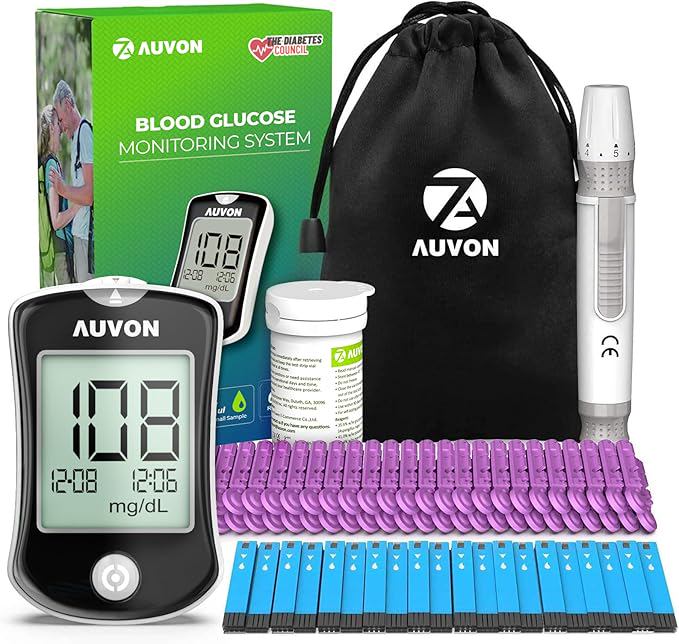
If you’re diagnosed, you’ll work with a healthcare team — often including an endocrinologist, dietitian, and diabetes educator. Most women can manage gestational diabetes with diet and exercise alone, though some need insulin or other medication. Regular blood sugar monitoring helps track your progress.
The condition usually resolves after delivery, but it does increase your lifetime risk of type 2 diabetes. That’s why establishing healthy habits now pays off long after your baby is born.