
When you live with diabetes, every meal is a chance to protect your body — and nowhere is that more important than your feet. Poor circulation and nerve damage are real risks, but blood sugar management begins in the kitchen, not the pharmacy. If you can keep a short list of versatile staples on hand, you can pull together a meal in minutes that supports stable glucose levels and, in turn, helps safeguard your lower extremities.
These six foods are the base of a foot-protective diet. They are easy to find, quick to prepare, and backed by the kind of nutritional logic that makes sense for busy schedules. Think of them as your pantry anchors: each one targets a different piece of the diabetes-foot-health puzzle, from reducing inflammation to improving circulation to supporting nerve function.
1. Canned or pouch salmon
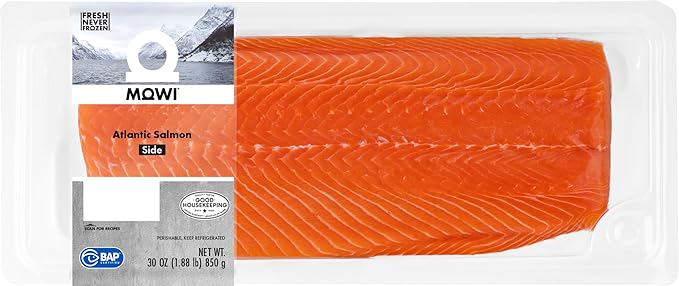
Salmon is rich in omega-3 fatty acids — specifically EPA and DHA — which help lower systemic inflammation and support healthy blood flow. For feet, that means better circulation to small blood vessels and a lower risk of arterial stiffness that can worsen neuropathy. Canned or pouch salmon works beautifully for a fast meal: mash it with avocado and lemon for a sandwich filling, toss it into a pre-washed salad mix, or fold it into scrambled eggs. No cooking required beyond opening a can.
Why it works for feet: Omega-3s support endothelial function, which keeps blood vessels flexible and nourishes nerve tissue.
2. Frozen leafy greens (spinach, kale, or collards)
Leafy greens provide magnesium, folate, and nitrates. Magnesium is essential for nerve health and helps counteract the magnesium loss that can happen with high blood sugar. Nitrates in greens like spinach convert to nitric oxide in the body, which relaxes blood vessels and improves circulation — direct protection for the feet. Keep a bag of frozen spinach in the freezer. Add a handful to soups, pasta sauces, or rice bowls and it wilts in about two minutes. It adds volume, fiber, and a huge nutrient payoff with zero prep.
3. Lentils (red or brown, dry or canned)
Lentils deliver a rare combination of protein and soluble fiber that slows glucose absorption after eating. That steady blood sugar curve means fewer spikes that can damage small blood vessels in the feet and eyes over time. They also provide B vitamins and iron, both of which are involved in energy metabolism and oxygen transport — critical for tissues that are far from the heart. Red lentils cook in under 15 minutes without soaking. Canned lentils just need a rinse. Use them as a base for quick dal, a salad topping, or a side dish to any protein.
4. Sweet potatoes
Sweet potatoes are rich in beta-carotene and vitamin C, both of which support collagen production. Collagen is the structural protein that keeps skin and blood vessel walls strong. For feet, collagen helps maintain the integrity of skin tissue, reducing the risk of cracks, calluses, and slow-healing sores. They also have a lower glycemic impact than white potatoes when eaten with the skin on and paired with protein or fat. Microwave a sweet potato in 5 minutes, split it open, and top with black beans or leftover chicken for a balanced meal.
5. Extra-virgin olive oil
Extra-virgin olive oil is the kitchen workhorse for anti-inflammatory cooking. The polyphenols in high-quality olive oil protect the lining of blood vessels and reduce oxidative stress — the cellular wear and tear that accelerates diabetic complications. Using olive oil as your primary cooking fat or finishing oil can also help your body absorb fat-soluble vitamins like vitamin D and vitamin E, both of which support nerve function and skin repair. Drizzle it over roasted vegetables, use it in salad dressings, or lightly sauté vegetables and fish in it for a fast dinner.
6. Unsalted nuts and seeds (walnuts, almonds, flax, chia)
Nuts and seeds offer healthy fats, fiber, and vitamin E. Vitamin E is a fat-soluble antioxidant that protects nerve cells from damage in diabetic neuropathy. Walnuts have a good dose of omega-3s (ALA), which work alongside fish-based omegas to fight inflammation. A small handful can be tossed into oatmeal, yogurt, or a side vegetable dish. Chia and flax seeds can be stirred into smoothies or sprinkled on vegetables to add fiber that blunts glucose spikes.
How to build a meal in 10 minutes
Pick one protein (salmon or lentils), one vegetable (leafy greens or sweet potato), and one fat (olive oil or nuts). Combine them in a bowl or on a plate, and you have a balanced, foot-protective meal. Here is a simple combination: canned salmon, a handful of frozen spinach sautéed in olive oil, and a microwaved sweet potato. That meal takes about 7 minutes and covers omega-3s, magnesium, nitrates, vitamin C, beta-carotene, and fiber.
Consistency matters more than perfection
No single meal will prevent or reverse diabetic foot complications. But consistently choosing foods that support circulation, nerve health, and stable blood sugar creates an environment where feet can heal and stay intact. Keep these six staples in rotation, and you will always be a few minutes away from a meal that does more than just fill you up — it will help protect your most important foundation.