
Living with diabetes means paying attention to a lot of numbers: blood glucose readings, carbohydrate counts, and A1c results. But one of the most overlooked numbers might be the one that matters most for your feet: your daily foot inspection. It’s not flashy, it’s not expensive, and it takes less than two minutes. Yet this one simple change—checking your feet every single day—can dramatically reduce your risk of diabetic foot infections.
Foot infections are a leading cause of hospitalizations for people with diabetes, and they often start with something tiny: a blister from a new shoe, a crack in dry heel skin, or a pebble that worked its way inside a sock. Because high blood sugar can cause peripheral neuropathy—nerve damage that dulls sensation in the feet—you might not feel that small injury forming. By the time you notice redness, swelling, or drainage, an infection could already be established. A daily check catches these problems when they are still easy to treat.
Why Your Feet Need a Daily Check-In
Peripheral neuropathy affects roughly half of all people with diabetes over time. When you lose protective sensation, your body’s early warning system goes silent. You could walk around all day with a tack in your shoe or a cut on your toe and never feel a thing. Combine that with poor circulation—another common complication of diabetes—and even a minor break in the skin struggles to heal. Bacteria find a welcoming environment, and a small wound can escalate into a deep infection, an ulcer, or even a situation that threatens the limb.
A good rule of thumb: if you don’t look at your feet every day, you are trusting a broken alarm system. A two-minute visual check is your backup plan.
How to Do a Proper Foot Check
You don’t need any special equipment, just good light and a mirror on the floor (or a handheld mirror). Make it part of your daily routine, such as right after your shower or before putting on socks. Here is what to look for:
- Redness or swelling on any part of the foot, especially around toes and the ball of the foot.
- Cuts, blisters, or sores that you didn’t notice earlier. Even a paper-cut-sized wound matters.
- Cracks or dry skin, particularly on the heels. Dry skin can split open, creating an entry point for bacteria.
- Discoloration such as black, blue, or white patches, which can indicate poor blood flow or tissue damage.
- Ingrown toenails, calluses, or corns that might need professional trimming.
- Changes in temperature—one foot feeling warmer than the other can signal inflammation or infection beneath the surface.
If you cannot bend down easily to see the soles of your feet, use a mirror placed on the floor. Ask a family member to help if needed. Some people find it easier to sit on the edge of a bed and bring one foot up onto the opposite knee. Find whatever position works for you and stick with it.
What to Do When You Spot a Problem
Not every nick or scrape turns into an emergency, but the key is to act promptly. Clean the area gently with mild soap and water, pat it dry, and apply a sterile bandage. Avoid using harsh antiseptics like hydrogen peroxide or iodine, as they can damage delicate tissue. If the wound seems larger than a quarter-inch across, is leaking pus, or has a red halo spreading around it, call your healthcare provider. Do not try to “walk it off” or wait and see. Early intervention is the single biggest factor that prevents a minor foot issue from becoming a serious infection.
Your doctor or podiatrist can also guide you on proper nail trimming and callus care. Many people with diabetes benefit from regular professional foot care to prevent injuries that happen during at-home grooming.
Simple Habits That Support Foot Health
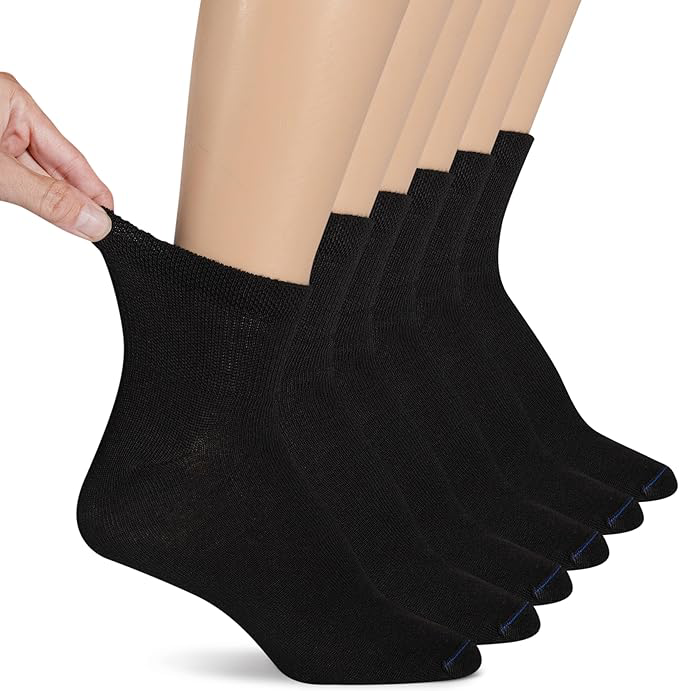
A daily inspection works best when paired with other easy precautions. Keep your feet clean and dry, especially between the toes, where moisture can breed fungus. Moisturize the tops and bottoms of your feet daily, but avoid putting lotion between your toes, as excess moisture there can cause maceration and infection. Wear clean, well-fitting socks made of moisture-wicking material. Before putting on shoes, shake them out and run your hand inside to check for loose objects, torn linings, or rough seams that could rub a blister.
Never walk barefoot, even around the house. You never know when you might step on a stray piece of glass, a carpet tack, or a dropped object. Choose shoes with a wide toe box and good support—your podiatrist can recommend styles that reduce pressure points.
When to See a Specialist
If you already have some numbness in your feet, or if you have a history of ulcers or infections, consider seeing a podiatrist at least once a year for a comprehensive foot exam. During this visit, the podiatrist will check your pulses, assess your sensation with a monofilament test, and look for any early signs of trouble. If you notice a persistent coldness in one foot, a change in foot shape (like curling toes), or new numbness, those are reasons to schedule an appointment sooner.
Remember that even the most careful self-care is not a substitute for professional medical advice. Your diabetes care team can help you tailor these recommendations to your personal health status and risk factors.
The daily foot check is small, free, and takes almost no time. But it is arguably the most effective single habit you can adopt to protect your feet from infection. Start tonight. Look at your feet. Know what’s normal for you, and you will be first to spot when something changes.