
When you live with diabetes, your feet need a level of attention that most people never think about. High blood glucose can damage nerves (peripheral neuropathy) and reduce circulation over time, making even a small blister or callus a serious problem. Yet many well-intentioned people repeat the same errors in their daily foot care routine—mistakes that can lead to infection, ulcers, or worse.
Here are three of the most common diabetic foot care mistakes and, more importantly, what you can do instead to keep your feet healthy.
Mistake #1: Using sharp tools on calluses and corns
It is understandable. A rough patch of skin feels irritating, so you reach for a callus shaver, a pumice stone, or even a pair of scissors to trim it away—especially when that patch might feel a little harder or thicker than usual. But for someone with diabetes, this is a high-risk move.
Because neuropathy blunts sensation, you may not realize how deeply you are cutting. A small nick can become a hidden wound that heals poorly due to reduced blood flow. Over time, that wound may develop into a diabetic foot ulcer, which is the leading cause of lower-limb amputations in people with diabetes.
What to do instead: Never use a blade, razor, or sharp file on your feet. Instead, gently smooth calluses with a fine-grit pumice stone after a warm bath—when the skin is soft. Use only light pressure, moving in one direction. For thick or painful corns, see a podiatrist; they can trim them safely with sterile instruments.
Mistake #2: Soaking feet in hot water for too long
A long, hot foot soak can feel relaxing, but it is one of the sneakiest dangers in diabetic foot care. Damaged nerves often cannot distinguish between warm and dangerously hot water, so you may scald your feet without noticing. Hot water also strips the skin of natural oils, leaving it dry, cracked, and prone to infection.
Many people also make the error of soaking in an attempt to soften calluses or ease discomfort. Unfortunately, prolonged soaking softens the skin too much, making it prone to tearing and allowing bacteria to enter through tiny fissures.
What to do instead: Check water temperature with a thermometer or your elbow—never your foot. Keep the water comfortably warm, around 90–95°F. Limit soaks to no more than five minutes. After washing, pat your feet dry gently (especially between the toes) and apply a fragrance-free moisturizer to the tops and bottoms, avoiding the spaces between toes where moisture can lead to fungal infections.
Mistake #3: Ignoring the need for daily checks
When your feet feel fine—no pain, no obvious problems—it is easy to skip the daily inspection. That is exactly when trouble starts. Neuropathy does not only cause pain; more often it causes numbness. You can have a blister, a pebble in your shoe, or a patch of redness and never feel it. By the time you notice, the damage may already be advanced.
Completing a visual check every day is the single most effective habit for preventing foot complications. But it takes a deliberate shift in routine to make it stick.
What to do instead: Make foot inspection part of your morning or bedtime routine. Look for cuts, sores, blisters, redness, swelling, or any changes in skin color or temperature. Use a mirror to check the soles of your feet or ask a family member to help if you cannot see them easily. If you notice anything unusual—even a spot that looks like a simple blister—do not treat it yourself; call your healthcare provider or a podiatrist.
Building a sustainable foot care routine
Preventing foot problems does not require expensive equipment or hours of effort, but it does call for consistency. Beyond correcting the three mistakes above, here is a simple daily protocol endorsed by most diabetes specialists and podiatrists:
- Wash your feet in warm (not hot) water and dry them thoroughly.
- Moisturize but skip the skin between toes.
- Inspect every inch of both feet with your eyes or a mirror.
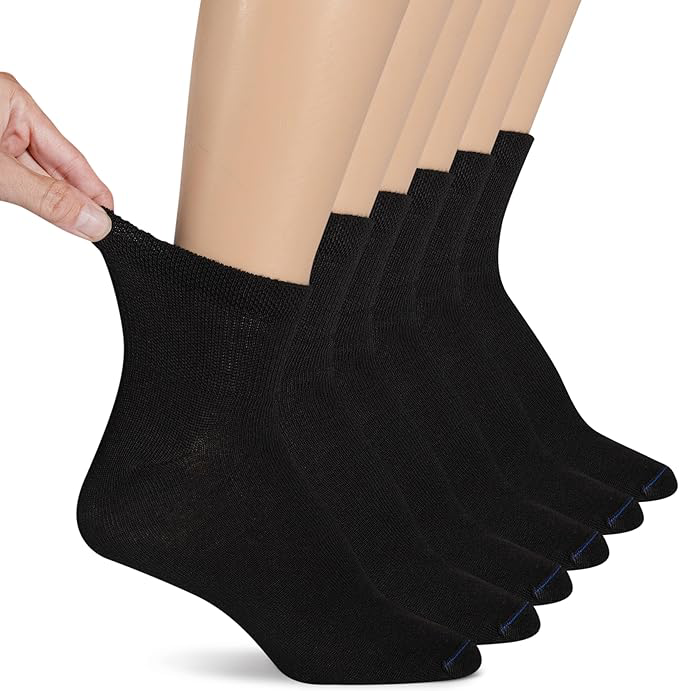
- Choose well-fitting, non-restrictive shoes and seamless socks designed for diabetic feet.
- Trim toenails straight across and file edges gently—never cut into the corners.
- Go barefoot as little as possible, even indoors, to avoid stepping on small objects.
A podiatrist should examine your feet at least once a year as part of your overall diabetes management—or more often if you have existing nerve damage or circulation issues.
Small habits do not feel dramatic on a daily basis, but for a person with diabetes, skipping them can have serious consequences. The best foot care is the kind you do quietly, every day, before any problem ever has a chance to start.