
You notice them one morning while applying concealer or squinting into the sun: those fine lines fanning out from the outer corners of your eyes. Crow’s feet are often blamed on smiling too much or forgetting sunscreen, but the real story runs deeper—literally. The skin around your eyes is the thinnest on your entire body, and the structural support beneath it changes in ways you can’t see in the mirror.
Two major biological shifts drive the formation of those delicate wrinkles: a gradual loss of subcutaneous fat in the face and a thinning of the dermis itself. Understanding what is actually happening under the surface can help you separate effective, realistic skincare from the marketing noise. This guide explains the anatomy at work and what you can do about it.
The anatomy of the eye area: why it wrinkles first
The skin around your eyes is roughly 0.5 millimeters thick, compared to 1.5 to 2 millimeters on the rest of your face. It contains fewer oil glands, less collagen, and almost no subcutaneous fat. That means it has very little padding and natural moisture retention. When you smile, squint, or laugh, the orbicularis oculi muscle contracts and creases the skin. In youth, the skin snaps back because the underlying support structure is plump and hydrated.
As we age, that support erodes. The fat pads that once gave the eye area a smooth, full appearance begin to shrink, and the skin’s collagen network frays. The result is a permanent crease where a temporary expression line used to be. This is not a disease or a sign of poor skincare—it is a normal biological process driven by structural changes.
Key fact: The periorbital area loses about 10–15% of its fat volume per decade starting in your thirties. That shrinking hollows the temple and deepens the lines radiating from the eye corner.
Fat loss in the face: the hidden driver of crow's feet
Most people think of facial aging in terms of wrinkles and sagging, but the primary change is actually volume loss. Facial fat is not a uniform sheet; it is organized into separate compartments. The ones that support the eye area include the lateral orbital fat pad (near the outer eye) and the malar fat pad (the cheekbone area). When these compartments shrink, the skin above them has less cushion. It drapes more directly over the underlying muscle and bone, making every expression line more pronounced.
This fat loss is influenced by genetics, overall body composition changes, and hormone fluctuations—especially during perimenopause and menopause. You can have perfectly healthy skin and still develop deeper crow’s feet simply because your face has lost volume. Topical creams cannot restore fat compartments; they only work on the surface.
Skin thinning and collagen breakdown
The dermis is the middle layer of skin that gives it structure and rebound. It is built largely from collagen (mostly types I and III) and elastin fibers. Starting in the mid-twenties, your body produces about 1% less collagen per year. By the time you reach your forties, the dermis is noticeably thinner and less resilient.
Around the eyes, this thinning is magnified because the dermis was already sparse. Environmental factors accelerate the breakdown: UV exposure breaks down collagen through a process called photoaging, while pollution and lack of sleep increase oxidative stress that degrades elastin. Even repeated facial expressions—like squinting into bright light or not wearing sunglasses—mechanically deepen the crease over time.
The good news is that you can slow collagen loss and support the dermis with targeted habits. The bad news is that you cannot replace significant volume loss with a cream or serum. That requires understanding the limits of topical products and knowing when to focus on prevention versus acceptance.
Practical steps that actually help
No product can reverse subcutaneous fat loss, but some strategies can improve the appearance of existing lines and slow future formation.
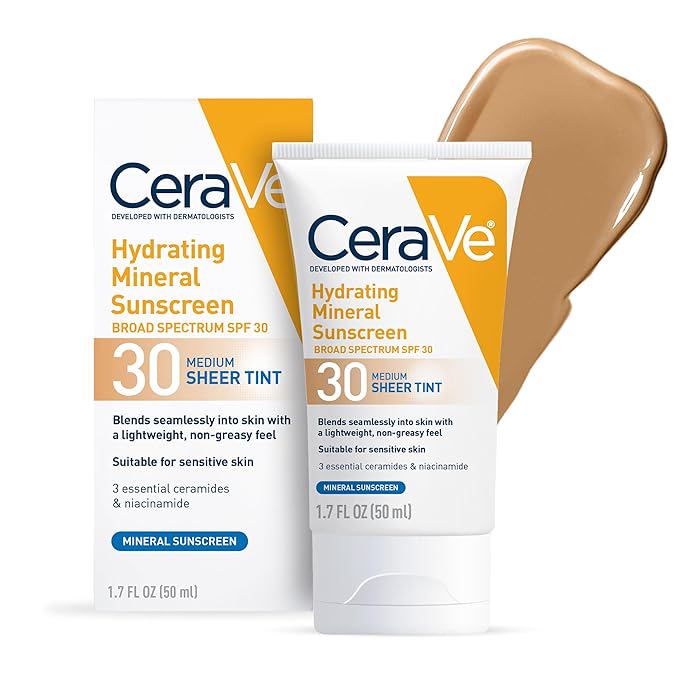
- Sunscreen every single day. UV light is the single most preventable cause of collagen breakdown around the eyes. Use a mineral-based SPF 30 or higher that is formulated for the eye area. Reapply if you are outdoors for extended periods.
- Retinoids with caution. Prescription tretinoin and over-the-counter retinol can stimulate collagen production in the dermis, but the eye area is extremely sensitive. Start with a low concentration (0.01% to 0.03%) applied two nights per week, and always buffer with moisturizer. Never apply retinoids to wet skin, and avoid the lash line.
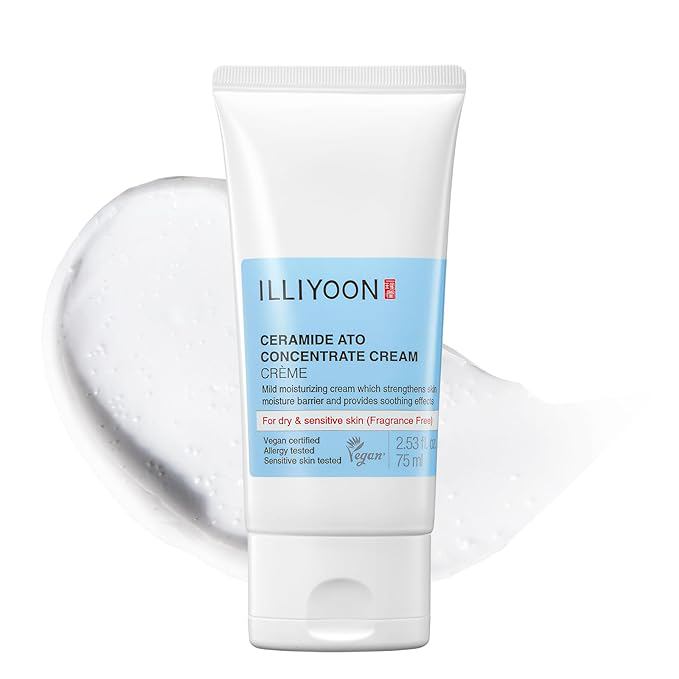
- Hydration from the inside out. The skin around your eyes does not have many oil glands, so it relies on systemic hydration and a well-formulated moisturizer. Look for ingredients like ceramides, squalane, and hyaluronic acid. Apply a moisturizer to damp skin to lock in water.
- Sleep and expression habits. Sleeping on your side or stomach can create compression wrinkles, including on the outer eye. Try a silk pillowcase to reduce friction. Wear sunglasses that wrap around the sides to prevent squinting, which mechanically deepens the folds.
What to skip: Eye creams promising to restore fat or erase deep wrinkles in weeks. No topical can replace lost fat compartments, and instant results usually come from temporary swelling or silicone fillers that wash off. Real change takes months of consistent collagen support.
When do crow's feet become a health concern?
For the vast majority of people, crow’s feet are a cosmetic feature, not a medical one. But there are a few instances where lines around the eye warrant a conversation with a dermatologist or ophthalmologist.
- If the lines appear suddenly and are accompanied by swelling, redness, or pain, that could indicate an allergic reaction or contact dermatitis.
- If the skin feels extremely thin, tears easily, or bruises with minimal pressure, that may be a sign of chronic photoaging or a condition like dermatoporosis.
- If you notice asymmetry—one side has significantly more pronounced lines than the other—it could be a subtle sign of facial nerve weakness and should be checked.
Otherwise, crow’s feet are a natural result of living, expressing emotion, and getting older. They are not a flaw to be erased but a feature of a face that has been well-used.
Is there a role for injectables or procedures?
This guide is about understanding the biology, not recommending medical treatments. However, it is worth noting that the only reliable way to address volume loss under the eyes is with injectable fillers or fat grafting, both of which require a qualified medical professional. Neurotoxins like botulinum toxin temporarily relax the orbicularis oculi muscle, preventing the crease from forming for three to four months. These options exist for people who want a cosmetic change, but they are not skincare and come with their own risks and costs. Laser resurfacing and microneedling can improve skin texture and collagen density but do not restore fat.
For most people, a good combination is diligent sun protection, a gentle retinoid, rich moisturizer, and acceptance that some lines are part of having a human face.