We tend to think of skin aging as something that happens on the surface—sunspots, fine lines, a loss of that plump bounce. But the real story happens deep in the dermis, in the complex matrix that gives skin its structure. At the center of it all is collagen, the most abundant protein in your body. It’s the scaffolding that keeps skin firm, joints flexible, and tissues held together. For decades, your body churns out plenty of it. Then, somewhere in your mid-20s to early 30s, the tide turns.
This isn’t a dramatic event. There’s no switch that flips overnight. Collagen production begins a slow, steady decline—about one percent less every year. By the time you reach your 50s and 60s, your body is making a fraction of what it once did. But why does this happen? Understanding the causes behind the drop is the first step to making choices that support your body’s natural architecture. Here’s a clear, grounded look at the main reasons collagen production slows down.
The natural aging process: built-in decline
The most straightforward cause is simply time. This is what researchers call intrinsic or chronological aging. Your cells, including the specialized fibroblasts responsible for manufacturing collagen, eventually become less efficient. They produce less collagen and more of the enzymes that break old collagen down. It’s a normal part of the biological lifecycle, similar to how your metabolism slows or your muscle mass naturally decreases over the decades. There’s nothing “wrong” with your body when this happens—it’s the expected trajectory of a long, healthy life. This internal clock is the baseline upon which external factors pile.
Sun exposure: the number one accelerator
If intrinsic aging is the slow, steady drumbeat, ultraviolet (UV) radiation from the sun is the drumstick that beats faster and harder. Dermatologists often refer to this as photoaging, and it accounts for up to 80-90 percent of visible skin aging. UV rays penetrate the skin and generate reactive oxygen species—think of them as tiny, unstable molecules that damage everything they touch. They directly harm collagen fibers and, perhaps more critically, trick your skin cells into producing a massive amount of matrix metalloproteinases (MMPs).
MMPs are enzymes whose job is to break down old or damaged collagen so it can be recycled. In the presence of chronic sun exposure, your body sends out so many MMPs that they chew up collagen faster than your sluggish aging fibroblasts can replace it.
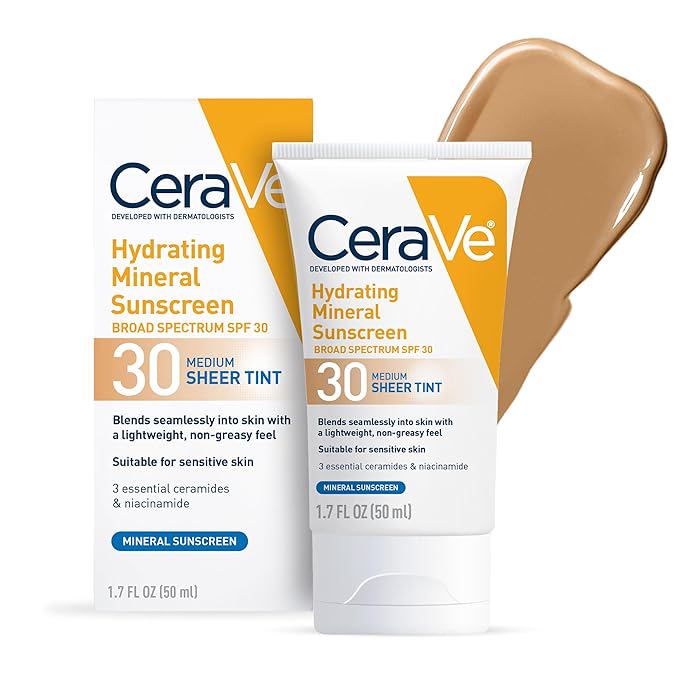
This creates a deficit. The sun doesn't just damage the collagen you have; it actively sabotages the machinery that makes new collagen. This is why daily sunscreen use—even on cloudy days or when you’re just running errands—is one of the most fundamental anti-aging strategies supported by science.
Lifestyle habits that steal collagen
Beyond the sun, several everyday choices quietly undermine your body’s collagen production. These are factors you have a surprising amount of control over.
Smoking and environmental pollution
Smoking is a double blow. The nicotine constricts blood vessels near the skin’s surface, starving collagen-producing cells of oxygen and essential nutrients. Meanwhile, the thousands of chemicals in tobacco smoke trigger inflammation and promote the same destructive MMP enzymes that sun exposure does. The result is the characteristic thin, wrinkled skin of long-term smokers. Pollution works in a similar, though usually less intense, way—particulate matter in the air can trigger oxidative stress and inflammation that degrades skin quality over time.
Chronic stress and poor sleep
Your skin is highly responsive to your internal state. When you are chronically stressed, your body releases cortisol, the primary stress hormone. High cortisol levels have been shown to inhibit collagen synthesis. It essentially puts the skin’s repair and building processes on hold. Along the same lines, sleep is when your body does most of its deep repair and maintenance. During deep sleep, growth hormone is released, which stimulates cell turnover and collagen production. Skimping on sleep repeatedly is like skipping the nightly maintenance shift at a factory—errors pile up, and production lines slow down.
High-sugar diets
This is a newer and very popular area of research. When you eat a lot of sugar or refined carbohydrates, those sugar molecules can bind to proteins like collagen and elastin in a process called glycation. This forms advanced glycation end products, or AGEs. As the name implies, these are damaging molecules. They make collagen stiff, brittle, and less functional. Healthy collagen is flexible and springy; glycated collagen is more like dry twine. It doesn't support the skin well, leading to more sagging and wrinkles. This process happens with aging anyway, but a high-sugar diet can significantly accelerate it.
Hormonal shifts: the menopause factor
For women, a major and abrupt change in collagen status occurs during menopause. Estrogen is a powerful driver of collagen production. When estrogen levels drop dramatically during perimenopause and menopause, the collagen support system takes a direct hit. Studies have shown that women can lose about 30 percent of their skin’s collagen thickness in the first five years after menopause. This loss is more rapid than what chronological aging alone would predict. It also affects other tissues, contributing to joint stiffness and changes in vaginal health. This is a clear example of a biological cause that is not about lifestyle but about a natural hormonal transition.
What can you actually do?
While you can’t stop time or change your biology, understanding these causes reveals a clear set of practical measures. Protecting your skin from UV radiation with broad-spectrum sunscreen is non-negotiable. Eating a balanced diet low in added sugar and rich in protein, vitamin C (a necessary cofactor for collagen synthesis), and antioxidants supports the raw materials your skin needs. Quitting smoking and managing stress through exercise, meditation, or adequate sleep are direct acts of skin preservation. Topical retinoids and certain professional treatments like microneedling stimulate collagen production by creating a controlled wound-healing response, but these should be discussed with a dermatologist.
Think of it this way: you can’t refill a well that is naturally running dry, but you can stop throwing rocks in it. The main causes of declining collagen production are a mix of the inevitable and the manageable. Focus on the manageable ones, and you will support your body’s scaffolding well into your later years.