
You glance in the mirror one morning and notice a small, flat brown patch on your forehead. It doesn't hurt, it isn't raised, and it doesn't fade. If you are over 40, chances are it is an age spot—also known as a liver spot or solar lentigo. While these marks are harmless, they can be frustrating, especially when they show up on a prominent area like the forehead. Understanding exactly why they form is the first step to managing them with realistic expectations.
Age spots are not random. They are the direct result of cumulative sun exposure and a slowdown in your skin's natural regeneration process. The forehead is a classic sun-exposed zone, which makes it a prime location for these spots. This article focuses solely on the practical, evidence-based reasons behind age spots on the forehead, and what you can actually do about them.
The core mechanism: why your forehead darkens
Your skin contains melanin, a pigment produced by cells called melanocytes. Think of melanin as your body's natural umbrella—it absorbs and scatters UV radiation to protect deeper layers of skin. When you spend years (or decades) under the sun or in tanning beds, your melanocytes can go into overdrive. Over time, some of these cells become damaged and start producing melanin in an uneven, clumpy way. This results in the well-defined, hyperpigmented patches we call age spots.
The forehead is especially vulnerable for a simple reason: it is one of the most forward-facing, horizontal surfaces on your body. It catches direct sunlight during the peak hours of the day, and unlike your cheeks or nose which have some angle protection, the forehead gets full, direct UV exposure. This consistent, cumulative damage is the primary driver behind age spots on this specific area.
A quick reality check: The name "age spot" is a bit misleading. It isn't your chronological age that causes the spot—it is your skin's total lifetime UV exposure. Two people of the same age can have very different spotting patterns based on their sun habits.
Why the forehead is a hotspot for sun damage
Think about how you move through your day. Your forehead is exposed every time you walk to your car, sit by a window, or run errands. Unlike your arms or legs, your forehead rarely gets covered by clothing. Even on cloudy days, up to 80 percent of UV rays can penetrate your skin, adding to the damage that will eventually become visible as a spot.
Additionally, the skin on your forehead is relatively thin compared to other areas of the body. While it is thicker than the skin around your eyes, it does not have the same regenerative capacity as, say, the skin on your arms. With age, the production of new skin cells slows down, and the turnover rate decreases. This means damaged melanocytes have longer to stay put and deposit pigment, making spots more persistent once they form.
Hormonal shifts and genetic predisposition
While sun exposure is the main culprit, your genetics and hormones also play supporting roles. If your parents or siblings have noticeable age spots on their foreheads, you are more likely to develop them too. This is partly due to inheriting skin that produces melanin more easily or that is slower to repair UV damage.
Hormonal changes, especially during menopause, can also make age spots more apparent. Estrogen fluctuations can affect melanocyte activity, meaning that women in their 50s and 60s may notice a sudden increase in forehead spots even without a change in sun habits. This is distinct from melasma (a butterfly-shaped pigmentation pattern), but both conditions share a sensitivity to hormonal shifts triggered by UV exposure.
Common mistaken causes: what doesn't cause age spots
It is also helpful to know what does not cause age spots on the forehead. Stress, poor diet, and not drinking enough water are often blamed, but none of these are direct causes. While chronic stress can impact skin health and inflammation, it will not create the distinctive, flat brown patch that defines a solar lentigo. Similarly, eating certain foods or skipping skincare for a week will not trigger an age spot. The origin is always photoaging—UV damage to the pigment cells.
Likewise, age spots are not related to liver function, despite the old term "liver spots." They are strictly a skin condition.
What you can practically do
Because these spots are the result of years of accumulated sun damage, you cannot erase them overnight. However, you can manage them with realistic approaches:
- Strict sun protection. Daily broad-spectrum sunscreen with SPF 30 or higher on your forehead is non-negotiable. Reapply every two hours when outdoors. This prevents new spots and stops existing ones from darkening further.
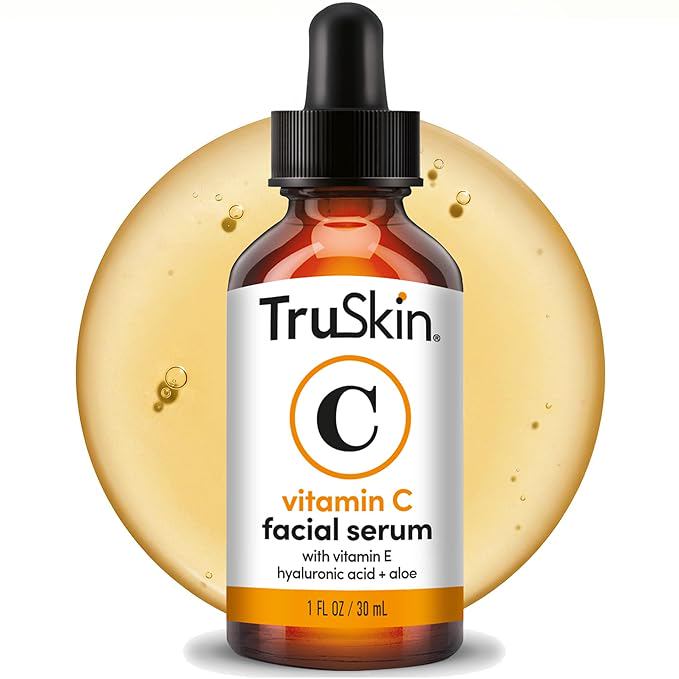
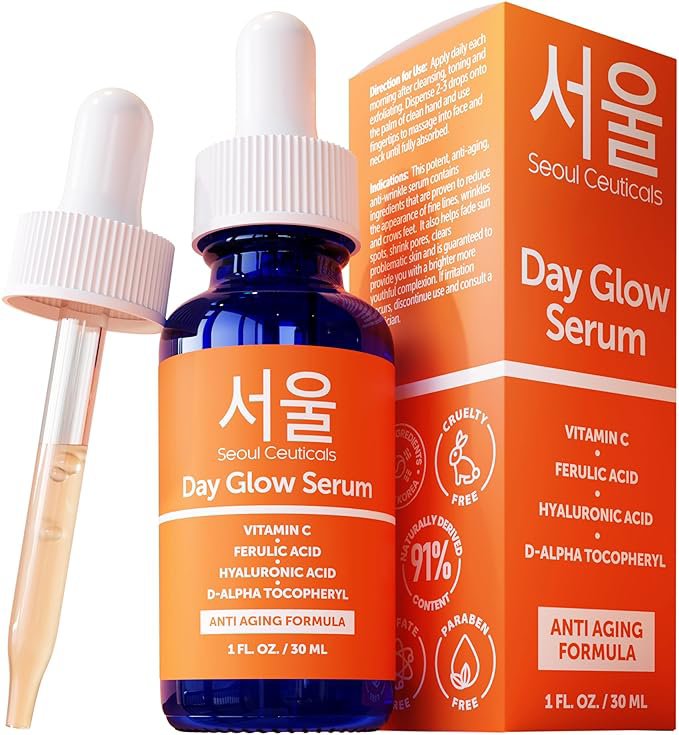
- Topical ingredients. Ingredients like vitamin C (L-ascorbic acid), retinoids (retinol or prescription tretinoin), and niacinamide can gradually fade pigmentation over several months. They work by inhibiting melanin production or speeding up cell turnover.
- Professional treatments. If a spot bothers you cosmetically, a dermatologist may suggest options like cryotherapy (freezing), intense pulsed light (IPL), or laser resurfacing. These are medical procedures—not at-home fixes—and require a consultation.
When to see a dermatologist
While most age spots are harmless, any spot on your forehead that changes shape, color, or size—or that bleeds, itches, or becomes raised—should be examined by a dermatologist. This is not a liver spot concern; it is about ruling out skin cancer, including basal cell carcinoma or melanoma, which can also appear on sun-exposed areas like the forehead. Trust the ABCDE rule (Asymmetry, Border, Color, Diameter, Evolution) as your guide.
Age spots on the forehead are a common sign of cumulative sun exposure and normal skin aging. They are not a disease, and they are not a reflection of poor health habits. By understanding their cause, you can take measured steps to prevent new ones and, if you choose, gently fade existing ones—all while keeping a realistic perspective on what skin care can achieve.