
We often think of fine lines as a simple byproduct of time, a cosmetic concern to be smoothed with creams or treatments. But the story your skin tells can be more nuanced. The appearance of certain lines, especially earlier than expected or in specific patterns, can sometimes be a visible signal from your body, a gentle nudge to look a little closer at your overall well-being.
Your skin is your largest organ, and its condition is intimately tied to your internal health. While genetics and sun exposure play leading roles, the texture, elasticity, and clarity of your skin are also reflections of hydration, nutrition, stress levels, and sleep quality. Viewing fine lines through this holistic lens doesn’t mean you must embrace them without question, but it can empower you to address them more effectively—from the inside out.
When Fine Lines Are More Than Just Aging
It’s perfectly normal for expression lines to deepen as we age. However, a sudden increase in fine, dry-looking lines, a pronounced lack of elasticity, or lines that appear in unusual patterns can be your skin’s way of communicating. These changes are rarely a sign of a single issue but rather a mosaic of lifestyle factors and internal conditions.
Think of your skin as a dashboard. Fine lines can be one of many indicator lights, suggesting it might be time to check under the hood.
Common Health and Lifestyle Links to Premature Fine Lines
Before concern sets in, remember that most early fine lines are tied to modifiable habits. Identifying these connections is the first step toward a healthier complexion and a healthier you.
Dehydration and Nutrient Deficiencies
Your skin craves water. Chronic, low-level dehydration doesn’t just make you thirsty; it makes your skin look parched, flaky, and finely lined. These dehydration lines often appear more superficial and may improve noticeably with consistent fluid intake.
Similarly, your skin needs specific building blocks to produce collagen and elastin, the proteins that keep it plump. Diets consistently low in antioxidants (like vitamins C and E), healthy fats (like omega-3s), and protein can accelerate the breakdown of these support structures, leading to thinner, more lined skin.
- Vitamin C is crucial for collagen synthesis and protecting skin from free radical damage.
- Omega-3 fatty acids help maintain the skin’s lipid barrier, keeping it hydrated and supple.
- Protein provides the amino acids necessary to build and repair skin tissue.
The Impact of Stress and Sleep
Chronic stress elevates cortisol, a hormone that can break down collagen over time. It can also impair the skin’s ability to retain moisture and repair itself overnight. If you’ve noticed a cluster of fine lines, especially between the brows (frown lines) or across the forehead, during a period of high stress, the connection might be more than coincidental.
Sleep is when your skin goes into repair mode. Consistently shortchanging yourself on sleep interrupts this critical renewal process, leading to a dull, uneven complexion and making existing fine lines appear more pronounced.
Environmental and Habitual Factors
Sun exposure is the most significant external cause of premature skin aging, a process known as photoaging. UV rays break down collagen and elastin deep within the dermis, leading not just to lines but also to wrinkles, sagging, and pigmentation changes.
Repetitive facial movements, like squinting in bright light or focusing on screens, can etch expression lines deeper over time. Smoking is particularly damaging, as it constricts blood vessels, depriving the skin of oxygen and nutrients, while also generating vast amounts of skin-aging free radicals.
Listening to the Message, Not Just Treating the Line
If your fine lines have you curious about your health, consider it an opportunity for a gentle audit. This isn’t about self-diagnosis but about cultivating awareness.
Start with the fundamentals: Are you drinking enough water throughout the day? Is your diet rich in colorful fruits, vegetables, and healthy fats? How has your stress management and sleep been lately? Have you been diligent about sun protection? Often, small, sustainable improvements in these areas can lead to a visible improvement in your skin’s vitality.
If you have made significant lifestyle improvements but are concerned about persistent, sudden, or severe skin changes—such as extreme dryness, a leathery texture, or deep etching unrelated to expression—it is always wise to consult a dermatologist or healthcare provider. They can help rule out any underlying conditions that might manifest through the skin, such as certain hormonal imbalances or autoimmune issues.
A Holistic Approach to Skin Vitality
Caring for your skin in a way that honors its role as a health indicator involves a dual approach: supportive internal habits and mindful external care.
Internally, focus on consistency over perfection. Prioritize hydration, seek out antioxidant-rich foods, incorporate sources of healthy fats like avocados and nuts, and protect your sleep as the non-negotiable repair time it is. Managing stress through practices like walking, meditation, or simply setting boundaries can have a profoundly calming effect on your complexion.
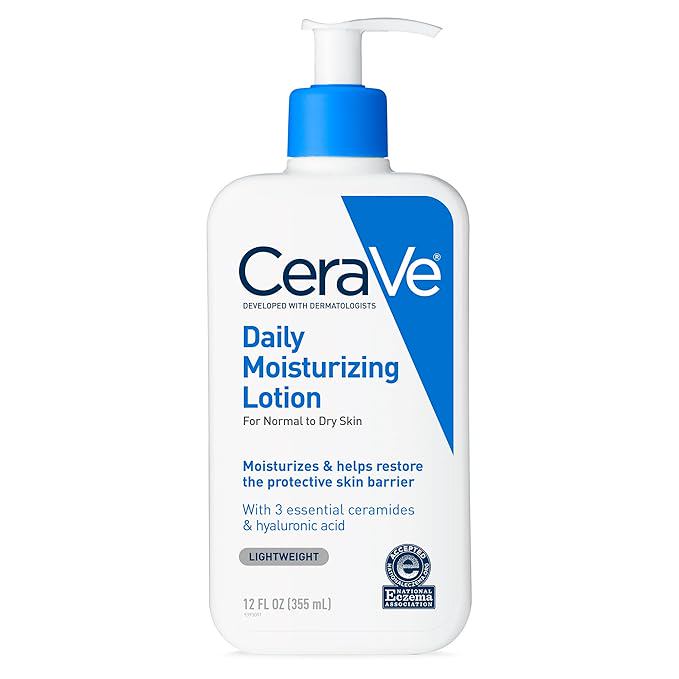
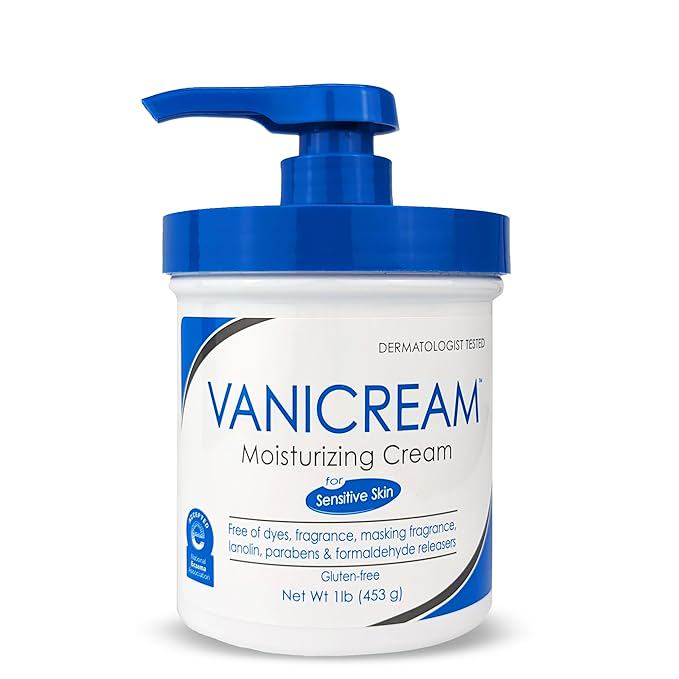
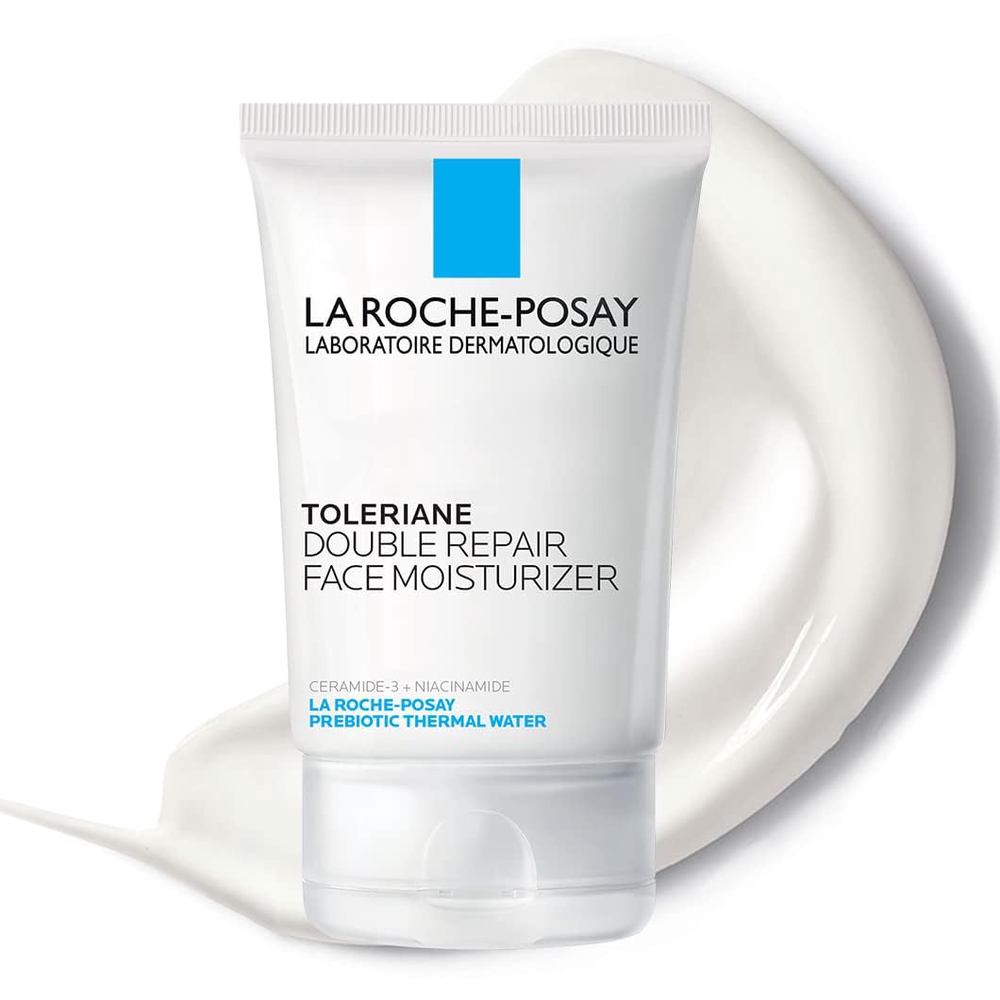
Externally, a simple, consistent routine is key. A gentle cleanser, a moisturizer suited to your skin type, and a broad-spectrum sunscreen used daily are the foundational pillars. These steps protect your skin’s barrier, maintain hydration, and prevent further photoaging. Topical antioxidants like vitamin C serums can offer an additional layer of environmental protection.
Ultimately, fine lines are a natural part of a life lived. But by understanding their potential whispers about hydration, nutrition, and stress, we can choose to respond with kindness—not just with a new cream, but with choices that nourish our entire being.