Retinoids are one of the most effective ingredients in skincare, praised for their ability to speed cell turnover, smooth fine lines, and clear acne. But anyone who has used a prescription retinoid or a strong over-the-counter retinol knows that the first few weeks can be rough. Redness, peeling, tightness, and irritation are common as the skin adjusts. While your moisturizer and sun protection routine matter, what you eat plays a surprisingly direct role in how quickly your skin repairs its barrier and tolerates the treatment.
When you are using retinoids, your skin's lipid barrier is under active remodeling. That process demands specific nutrients to rebuild healthy cells and calm inflammation. Below are four foods that provide the building blocks your skin needs to recover and glow — without interfering with the retinoid itself.
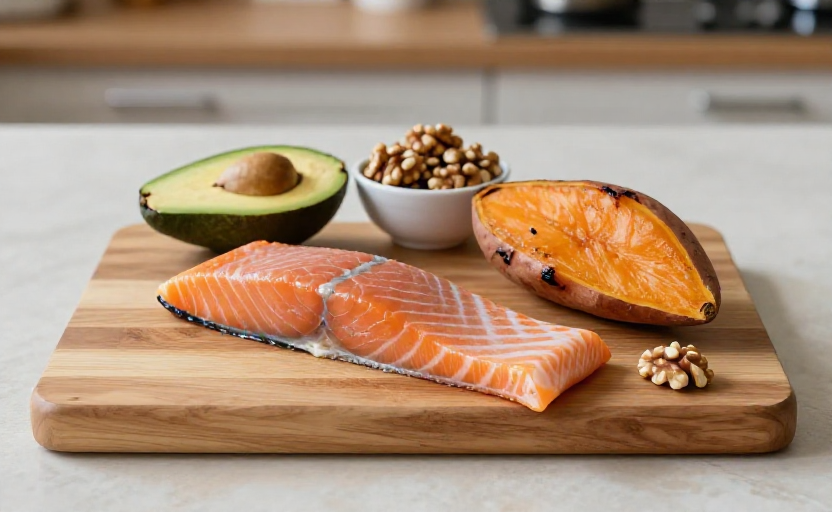
1. Fatty fish like salmon and mackerel
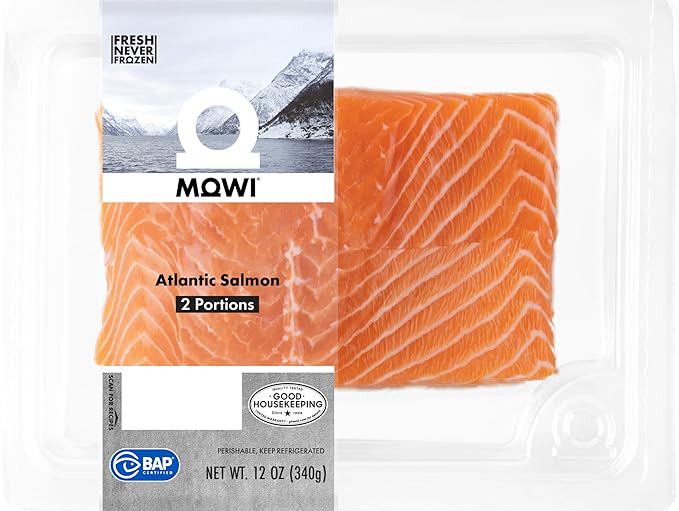
Fatty fish are rich in long-chain omega-3 fatty acids, particularly EPA and DHA. These fats are structural components of skin cell membranes and have potent anti-inflammatory effects. When retinoid-induced irritation flares up, omega-3s help calm the inflammatory cascade, reducing redness and sensitivity. Additionally, DHA supports the production of new, healthy skin cells, which is exactly what you want when your skin is shedding old layers rapidly.
Eating two to three servings of wild salmon, mackerel, or sardines per week can provide a steady supply of these barrier-repairing fats. For those who do not eat fish, a high-quality algal oil supplement can offer similar benefits — but whole food sources also provide vitamin D and protein that further support skin repair.
2. Avocados
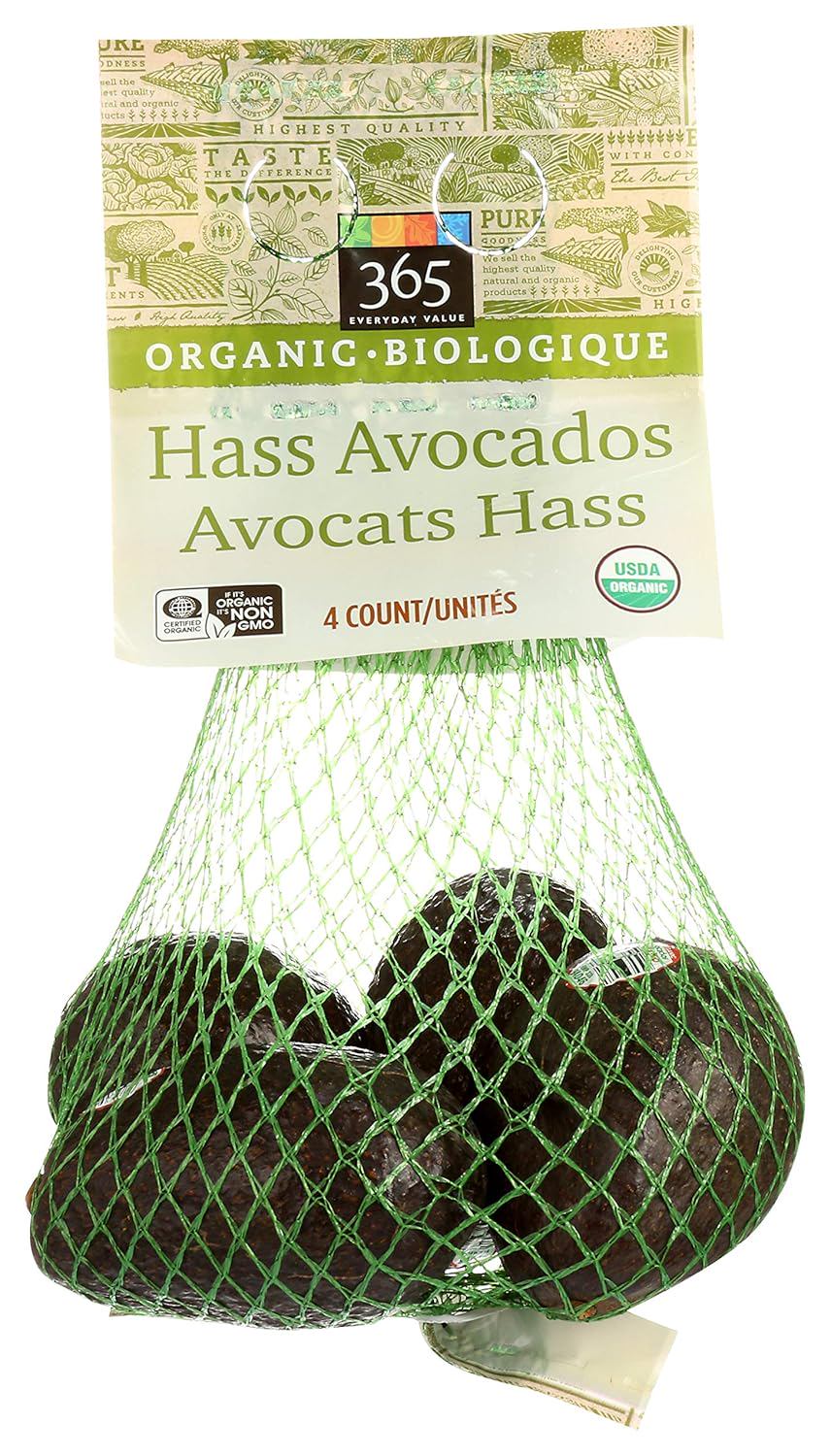
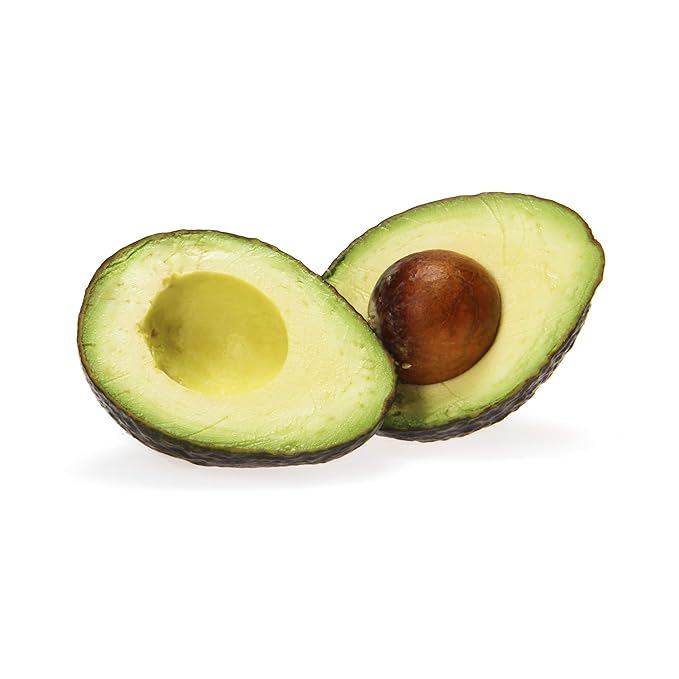
Avocados are a concentrated source of monounsaturated fats and vitamin E. Monounsaturated fats help maintain the skin's lipid barrier by filling in the spaces between skin cells, which prevents transepidermal water loss. This is critical when retinoids thin the outer layer of skin, making it more prone to dehydration.
Vitamin E is a fat-soluble antioxidant that protects skin cell membranes from oxidative stress. Retinoid use increases cellular turnover, which also generates free radicals. Pairing avocados with your meals — on toast, in salads, or blended into smoothies — provides a gentle, food-based way to support the skin's antioxidant defenses without the risk of irritation that some topical vitamin E products can cause.
3. Sweet potatoes and orange vegetables
Sweet potatoes, carrots, and butternut squash are rich in beta-carotene, a precursor to vitamin A. This might sound counterintuitive — after all, retinoids are a form of vitamin A. But the beta-carotene from food is converted into vitamin A only as the body needs it, providing a steady, gentle supply that supports skin cell differentiation and repair without causing toxicity or interfering with topical retinoid therapy.
Think of beta-carotene as a backup generator for healthy skin turnover — it helps your body build strong new cells while the retinoid clears away the old, damaged ones.
Additionally, beta-carotene acts as an antioxidant that protects skin from UV-induced damage. Since retinoids increase photosensitivity, any extra antioxidant protection from food is a smart addition to your sun protection routine.
4. Walnuts and flaxseeds
Walnuts and flaxseeds are plant-based sources of alpha-linolenic acid (ALA), a type of omega-3 fatty acid. While ALA is not as potent as the EPA and DHA found in fish, the body does convert a small percentage into usable omega-3s. More importantly, walnuts also contain vitamin E, polyphenols, and melatonin — all of which support skin repair.
Flaxseeds, whether ground or as oil, are particularly high in lignans, which have mild anti-inflammatory and antioxidant properties. Adding a tablespoon of ground flaxseed to oatmeal or yogurt, or having a small handful of walnuts daily, can help reduce the systemic inflammation that often shows up as red, irritated skin during retinoid use.
While no single food will erase retinoid side effects overnight, consistently including these four foods in your diet gives your skin the nutritional support needed to build a stronger, healthier barrier. Stay hydrated, avoid excessive sugar and alcohol (which worsen inflammation), and always pair your retinoid with a gentle moisturizer and broad-spectrum sunscreen. Your skin will thank you — and the results will show long after the initial adjustment phase.