
When we talk about youthful skin, the conversation often starts with pricey creams or lasers. But the real foundation for firm, resilient skin is built from the inside out. Skin elasticity — the ability of your skin to stretch and bounce back — depends largely on two structural proteins: collagen and elastin. As we age, our natural production of these proteins slows down, which is why fine lines and sagging become more noticeable.
While no single meal will reverse the clock, the right nutrients can support your body’s ability to produce and protect these proteins. We spoke to dietitians who study this space, and they keep coming back to the same three food categories when asked what to eat for better skin elasticity.
Fatty Fish: The Omega-3 Powerhouse
Salmon, mackerel, and sardines are frequently at the top of a dermatologist's grocery list. “The anti-inflammatory effect of omega-3 fatty acids is crucial for skin health,” explains registered dietitian nutritionist, Jenna Volpe. Chronic, low-grade inflammation breaks down collagen and elastin fibers over time. By incorporating fatty fish two to three times per week, you provide your body with EPA and DHA, which help stabilize cell membranes and reduce the enzymes that degrade collagen.
Fatty fish is also one of the few natural food sources of vitamin D, which plays a role in skin cell repair and turnover. A 2021 review in Nutrients linked higher vitamin D levels with improved skin hydration and elasticity in older adults. If you do not eat fish, a high-quality algae-based omega-3 supplement is a reasonable alternative, but whole food sources offer a complete nutrient package.
Quick tip: Look for wild-caught salmon when possible. It typically has a better ratio of anti-inflammatory fats compared to farmed varieties.
Citrus Fruits and Bell Peppers: Your Vitamin C Allies
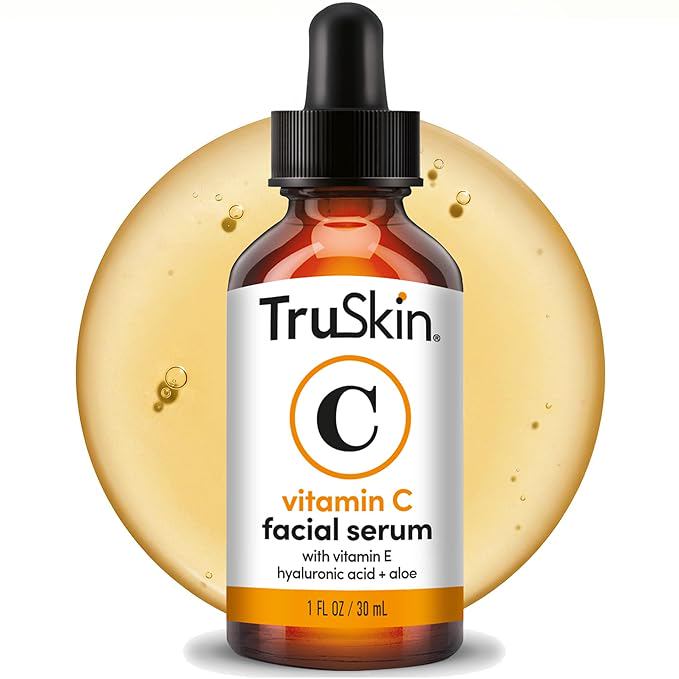
Vitamin C is the unsung hero of skin structure. It is an essential cofactor for the enzymes that stabilize and cross-link collagen molecules. Without adequate vitamin C, collagen fibers become weak and unstable. Oranges, grapefruits, and kiwis are excellent sources, but red bell peppers actually contain more vitamin C per gram than citrus fruits.
“I often tell clients to think of vitamin C as the ‘glue’ that holds collagen together,” says dietitian Maya Feller. “It also acts as a potent antioxidant, protecting existing collagen from UV damage and pollution.” The key is consistency: vitamin C is water-soluble, meaning your body does not store it. Including a source at most meals — a handful of strawberries on oatmeal, sliced bell pepper with lunch, or a citrus vinaigrette on dinner salad — ensures steady levels for skin support.
Bone Broth and Collagen-Rich Cuts
For decades, grandmothers swore by chicken soup for joint health, and modern nutrition science suggests they were onto something for skin too. Bone broth — made by simmering animal bones, tendons, and ligaments — naturally releases type I and III collagen peptides into the liquid. While the bioavailability of these peptides is still under study, emerging research indicates that ingesting collagen peptides can stimulate your own fibroblasts to produce new collagen.
A 2019 systematic review in the Journal of Drugs in Dermatology found that participants who took oral collagen supplements for 90 days showed statistically significant improvements in skin elasticity and hydration compared to placebo. While whole bone broth contains a less concentrated dose than supplements, it is a traditional whole-food approach that also provides glycine, proline, and glucosamine — all supportive of connective tissue health.
For those who prefer a supplement form, look for hydrolyzed collagen peptides (often labeled as collagen powder) which are broken down for easier absorption. Stir it into coffee, smoothies, or soup. Just note that these are not a substitute for protein from whole foods, and quality varies by brand.
Putting It All Together
Skin elasticity is not about a single superfood. It is a long-term pattern of eating that supports the matrix beneath the surface. Pairing enough protein (amino acids are the building blocks of collagen) with vitamin C and anti-inflammatory fats creates the biochemical environment your skin needs to repair and maintain itself.
Hydration also plays a supporting role. Dehydrated skin looks less plump and elastic, regardless of how good your diet is. Think of water as the medium in which all these nutrients travel to your skin cells. Aim for at least eight cups of fluid daily, more if you are active or live in a dry climate.
Finally, protection is just as important as nutrition. The best diet in the world cannot outrun daily UV exposure. Wear a broad-spectrum sunscreen, avoid smoking, and manage stress — cortisol spikes degrade collagen directly. When you combine these lifestyle habits with the foods above, you give your skin the best possible chance to stay resilient for years to come.