
When you cleanse your face—especially if you double-cleanse, use a clarifying formula, or exfoliate frequently—you can temporarily disrupt your skin's protective barrier. That thin outer layer works hard to keep moisture in and irritants out, and a compromised barrier shows up as tightness, redness, flaking, or increased sensitivity. The good news is that what you put on your plate can help your skin bounce back faster.
We asked dietitians which foods and nutrients are most helpful for supporting skin barrier repair after cleansing. Here is what they recommend adding to your post-cleanse routine—not as a replacement for a moisturizer, but as a foundation for healthier, more resilient skin from the inside out.
Why the skin barrier needs nutritional support after cleansing
Your skin barrier is made largely of lipids—ceramides, cholesterol, and fatty acids—that form a brick-and-mortar structure around skin cells. Harsh or frequent cleansing can strip these lipids, leaving the barrier weakened. While a good moisturizer can help on the surface, your body also needs dietary building blocks to synthesize new lipids and calm inflammation.
“Think of your diet as the raw material your skin uses to rebuild itself,” says registered dietitian nutritionist Maya Feller. “If you are not giving your body the right fats, antioxidants, and proteins, the repair process will be slower and less effective.”
Healthy fats for lipid replenishment
Because the skin barrier is largely lipid-based, getting enough healthy fats is one of the most direct ways to support repair. Dietitians highlight three main categories:
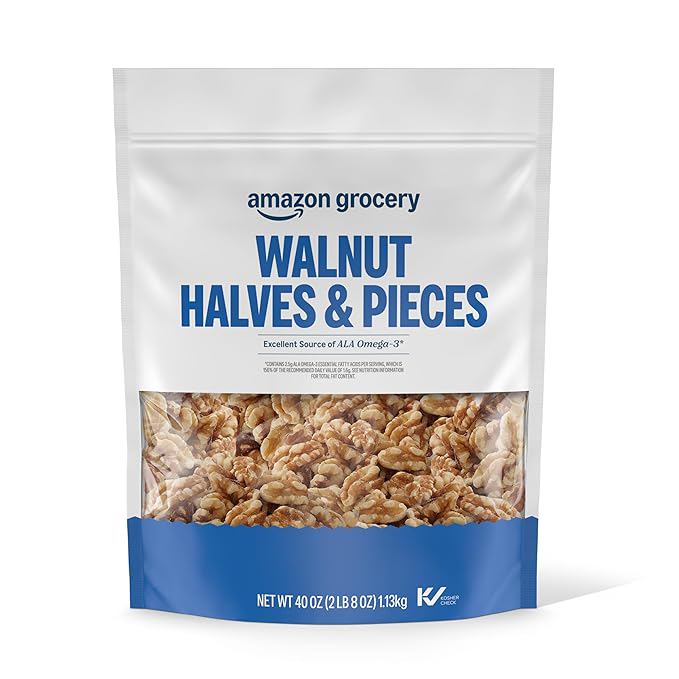
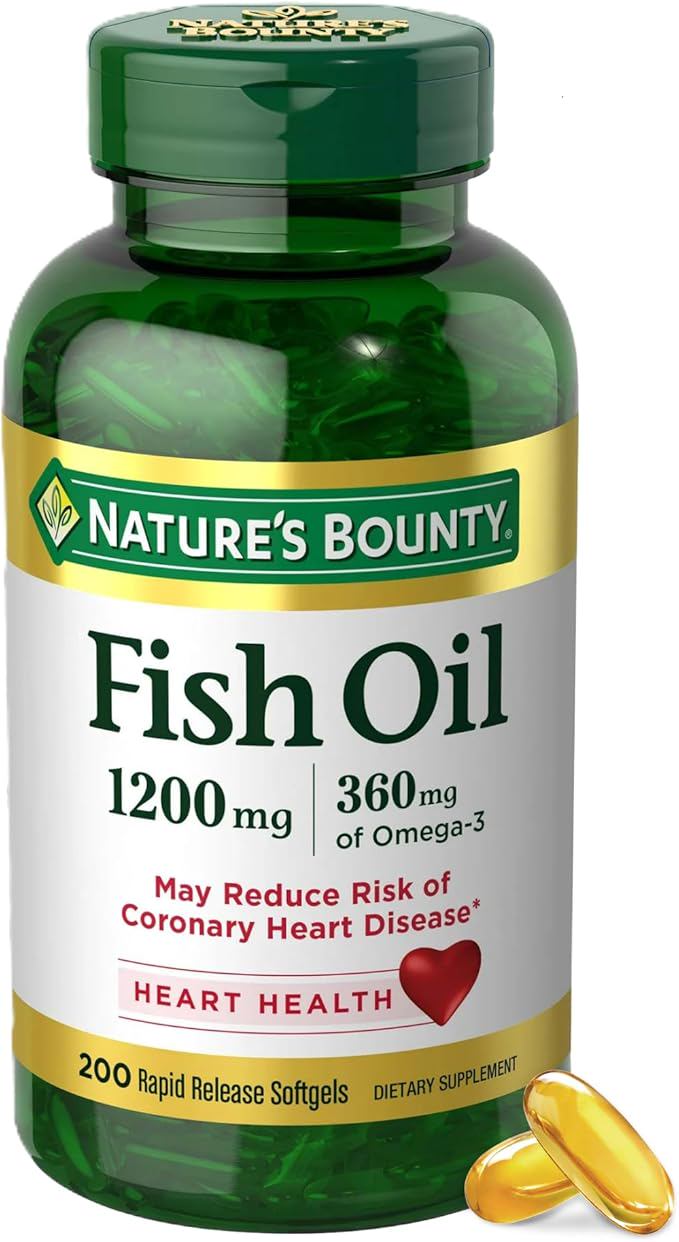
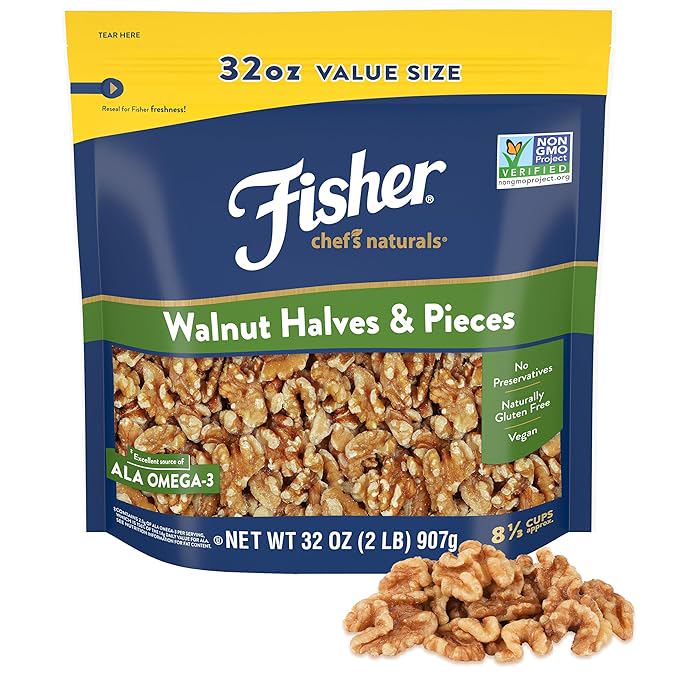
- Omega-3 fatty acids — found in fatty fish like salmon, mackerel, and sardines, as well as in walnuts, chia seeds, and flaxseeds. Omega-3s help reduce inflammation and support the skin's ability to retain moisture.
- Omega-6 fatty acids (linoleic acid) — present in sunflower oil, safflower oil, grapeseed oil, and nuts. Linoleic acid is a precursor to ceramides, which are critical for barrier integrity.
- Monounsaturated fats — from avocados, olive oil, and almonds. These help maintain skin suppleness and support the absorption of fat-soluble antioxidants.
Including one or two servings of these fats at meals can give your skin the raw materials it needs to rebuild after a deep cleanse.
Antioxidant-rich foods to calm inflammation
Cleansing can spark a mild inflammatory response, especially if your skin is already sensitive. Antioxidants help neutralize the free radicals generated during this process and reduce redness or irritation. Dietitians recommend focusing on:
- Vitamin C — from citrus fruits, bell peppers, strawberries, and kiwi. Vitamin C is essential for collagen synthesis and helps repair the structural matrix beneath the barrier.
- Vitamin E — from almonds, sunflower seeds, spinach, and avocados. Vitamin E is a fat-soluble antioxidant that protects skin cell membranes from oxidative damage.
- Polyphenols — from berries, green tea, dark chocolate (at least 70% cocoa), and leafy greens. These compounds calm inflammation and improve skin hydration.
Aim to include a colorful fruit or vegetable at every meal. Even a handful of berries with breakfast or a side of sautéed spinach at dinner can make a difference over time.
Protein and amino acids for barrier structure
The skin barrier is not just lipids—it also contains proteins like filaggrin and involucrin that give the stratum corneum its structure. Amino acids from dietary protein are needed to build these proteins. Dietitians suggest incorporating:
- High-quality protein sources — lean poultry, eggs, tofu, legumes, and bone broth. Eggs are particularly rich in methionine and cysteine, amino acids that support keratin production.
- Collagen peptides — found in bone broth, fish skin, or as a supplement. While research is still emerging, some studies suggest that collagen hydrolysate can support skin hydration and elasticity when combined with a balanced diet.
You do not need to overdo it—a standard serving of protein (about 20–30 grams) at two meals per day is generally sufficient for skin repair.
Zinc and copper: trace minerals that matter
Two trace minerals often get overlooked, but they play a direct role in healing and barrier function after cleansing.
- Zinc — found in oysters, pumpkin seeds, lentils, and lean beef. Zinc helps regulate inflammation and supports new cell growth. It is also used in many topical barrier creams, for good reason.
- Copper — present in organ meats, sesame seeds, cashews, and cocoa. Copper is involved in collagen cross-linking and the formation of skin elastin.
Even small amounts matter. A handful of pumpkin seeds or a serving of lentils several times a week can keep your intake adequate.
Hydration and whole foods matter more than any single ingredient
While individual nutrients are helpful, dietitians stress that the overall pattern of eating is what makes the biggest difference. A diet rich in whole, minimally processed foods naturally provides the variety of fats, proteins, vitamins, and minerals needed for skin repair. Adequate hydration—from water, herbal tea, and water-rich fruits and vegetables—also supports the transport of nutrients to skin cells.
On the flip side, a diet high in sugar and refined carbohydrates can promote inflammation and glycation, which weakens collagen and slows repair. Cutting back on ultra-processed snacks and sweetened beverages can be as important as adding specific skin-supportive foods.
Sample meal ideas for post-cleanse skin support
If you want to put this into practice, here are simple meal ideas that combine several of the nutrients above:
- Breakfast: Greek yogurt topped with walnuts, chia seeds, and blueberries — provides protein, omega-3s, and polyphenols.
- Lunch: Grilled salmon salad with avocado, spinach, bell peppers, and a lemon-olive oil dressing — delivers omega-3s, vitamin C, vitamin E, and healthy fats.
- Snack: A handful of almonds and an orange — gives you vitamin E and vitamin C together.
- Dinner: Stir-fried tofu or chicken with broccoli, bell peppers, and a side of quinoa — supplies protein, zinc, and a range of antioxidants.
“Consistency matters more than perfection,” says dietitian Patricia Bannan. “You don’t have to eat perfectly every day. Aim for variety over the course of a week, and your skin will benefit.”
When to expect results
Skin barrier repair is not overnight magic. After a gentle cleanse, the surface barrier can begin to recover within hours if kept moisturized, but deeper structural repair takes days to weeks. Dietary changes typically show visible effects on skin feel and appearance after about four to six weeks of consistent intake, depending on your baseline diet and skin condition.
For immediate post-cleanse comfort, pair a nourishing diet with a gentle, fragrance-free moisturizer that contains ceramides or niacinamide. Over time, the combination of topical care and internal nutrition will help your skin stay strong, hydrated, and less reactive.
Remember: this information is for general wellness education purposes and does not replace personalized advice from a healthcare provider. If you have persistent skin concerns, consider consulting a dermatologist or registered dietitian for an individualized plan.