Sun spots—those flat, brownish marks that show up on sun-exposed areas like your face, hands, and chest—are a common sign of cumulative UV damage. While sunscreen and protective clothing are your first line of defense, emerging research suggests that the right foods may help your skin repair itself and fade hyperpigmentation from the inside out.
We asked registered dietitians to share the top four foods that can support skin health and reduce the appearance of sun spots. These aren't miracle cures, but they are science-backed additions to a complexion-friendly diet.
Why diet matters for sun spots
Sun spots, also called solar lentigines, form when UV radiation triggers an overproduction of melanin. Over time, this pigment clumps together, creating visible patches. Antioxidants, certain vitamins, and polyphenols in food can help by neutralizing free radicals, reducing inflammation, and interfering with the enzymes that drive melanin production.
"Your skin has a memory of every sunburn and session of unprotected exposure," says registered dietitian nutritionist Rhyan Geiger. "What you eat can help that memory fade by supporting repair pathways."
1. Tomatoes
Tomatoes are rich in lycopene, a powerful carotenoid antioxidant that accumulates in the skin and helps absorb UV radiation. A 2011 study in the British Journal of Dermatology found that volunteers who consumed tomato paste daily for 10 weeks showed 40% less skin redness after UV exposure, compared to a control group. Lycopene is fat-soluble, so eating tomatoes with a little olive oil or avocado increases absorption. Cooked tomatoes (like in sauces or tomato paste) provide even more bioavailable lycopene than raw ones.
Dietitians recommend aiming for about a cup of cooked tomatoes daily or a handful of cherry tomatoes with a healthy fat. Pair them with a meal that includes some fat for best results.
2. Fatty fish
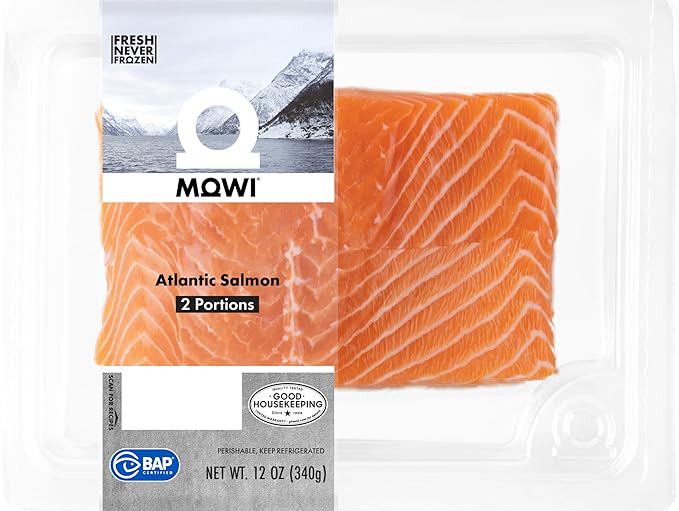
Salmon, sardines, mackerel, and other fatty fish deliver two key nutrients for sun-spot reduction: omega-3 fatty acids and astaxanthin. Omega-3s help control the inflammatory cascade that worsens hyperpigmentation. Astaxanthin, a carotenoid that gives salmon its pink hue, is a potent antioxidant that may protect skin cells from UV-induced damage and reduce melanin production. A small 2020 study in Nutrients found that women who took astaxanthin supplements for 16 weeks saw significant improvements in skin elasticity and a reduction in age spots.
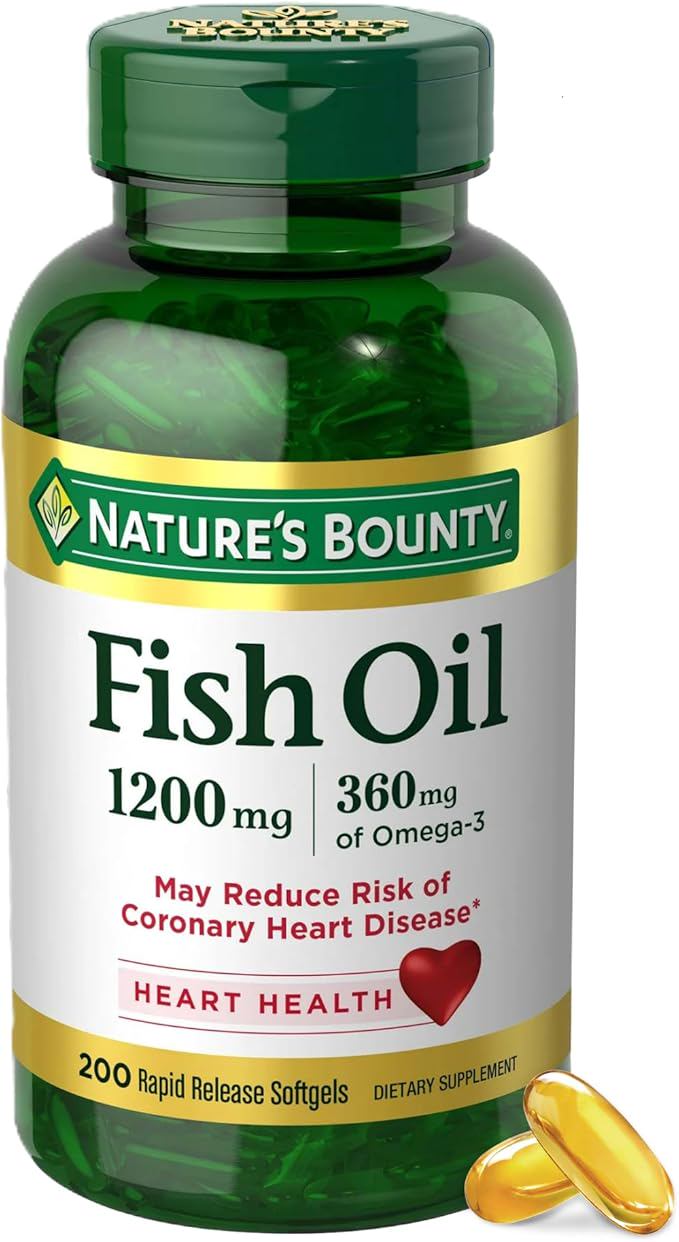
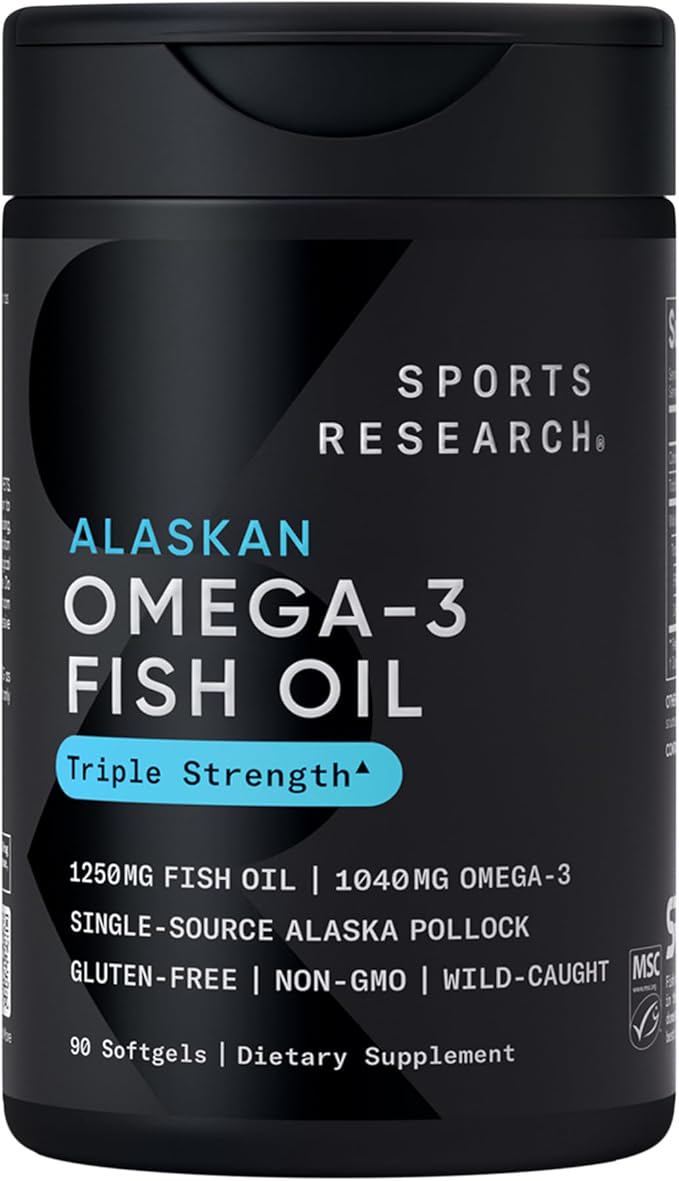
Eating two 3–4 ounce servings of fatty fish per week is a realistic goal for most people. If you're not a fish eater, consider a fish oil or astaxanthin supplement after talking to your healthcare provider.
3. Green tea
The polyphenols in green tea, especially epigallocatechin-3-gallate (EGCG), are well-documented for their photoprotective effects. EGCG can inhibit the activity of tyrosinase, the enzyme responsible for melanin production. A 2010 clinical trial published in The Journal of Nutrition showed that women who drank a green tea beverage rich in catechins for 12 weeks had fewer and less visible spots on sun-exposed skin, compared to a placebo group.
To get these benefits, aim for 2–3 cups of freshly brewed green tea daily. Avoid adding milk, as casein proteins may reduce catechin absorption. Bottled green teas often contain less EGCG and more sugar, so stick with brewed.
4. Citrus fruits (especially oranges and grapefruit)
Vitamin C is essential for collagen production and is also a natural tyrosinase inhibitor—meaning it can help slow the formation of sun spots. Citrus fruits provide a reliable source of vitamin C, along with flavonoids that enhance its antioxidant activity. A 2015 study in the American Journal of Clinical Nutrition found that higher dietary vitamin C intake was associated with fewer wrinkles and less age-related skin dryness in a cohort of older women.
One medium orange gives you about 70 mg of vitamin C—more than the recommended daily intake for most adults. Grapefruit offers similar benefits, though check with your doctor if you take certain medications, as grapefruit can interfere with some drugs. For variety, you can also get vitamin C from kiwi, bell peppers, strawberries, and broccoli.
Building a skin-friendly routine
No single food can erase sun spots, and diet cannot undo decades of sun damage. But when you combine these four foods with a consistent sunscreen routine, gentle skincare, and sun avoidance during peak hours, you create the best environment for your skin to heal and fade those spots over time.
Registered dietitian nutritionist Keri Gans adds, "Think of these foods as supporting your skin's daily repair work. They're most effective when eaten as part of an overall balanced diet, not as a standalone treatment."
A note on supplements
Some of the nutrients discussed, such as astaxanthin and lycopene, are available in supplement form. While whole foods are generally preferred, supplements can be an option for people who struggle to get enough from diet alone. Always discuss any supplement with a healthcare provider or registered dietitian before starting, especially to avoid interactions with medications or existing health conditions.