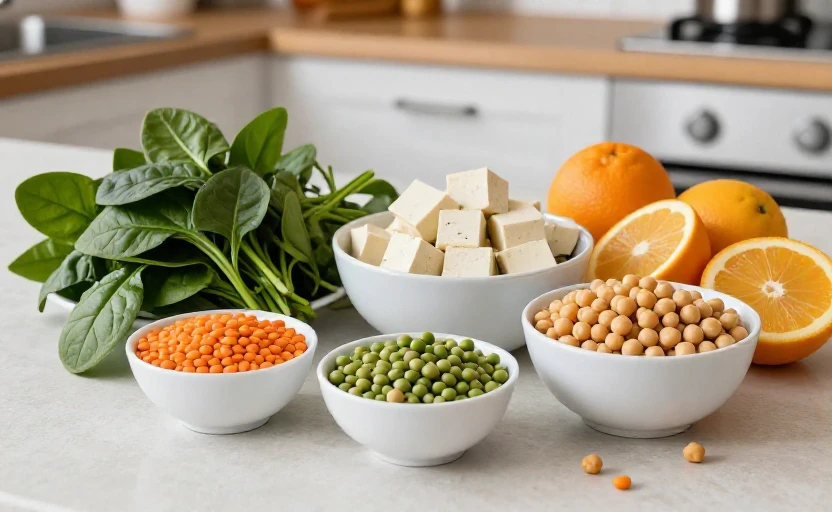
If you're following a vegetarian diet, you've likely heard the question: "But how do you get enough iron?" It's a valid concern. Iron is essential for carrying oxygen in your blood, supporting energy levels, and maintaining overall health. While meat is a well-known source, the plant kingdom is rich with iron options—you just need to know where to look and how to help your body absorb it. This guide cuts through the confusion, offering straightforward, practical ways to incorporate more iron into your meals without spending hours in the kitchen.
Understanding Iron: Heme vs. Non-Heme
First, a bit of clarity. The iron found in animal products (heme iron) is more easily absorbed by your body than the iron from plants (non-heme iron). This doesn't mean vegetarian iron is inferior; it simply means a little strategic pairing can make all the difference. The goal is to focus on iron-rich plants and combine them with foods that enhance absorption.
The key to vegetarian iron isn't just what you eat, but what you eat it with.
Top Plant-Based Iron Sources
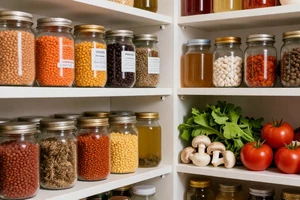
These everyday foods are your new best friends for a quick iron boost. Keep them stocked in your pantry and fridge.
Legumes: Lentils, chickpeas, black beans, and kidney beans are iron powerhouses. A cup of cooked lentils provides about 6.6 mg of iron—a significant portion of your daily needs.
Leafy Greens: Spinach, kale, Swiss chard, and collard greens are packed with non-heme iron. Cooking them can increase the amount of iron your body can access.
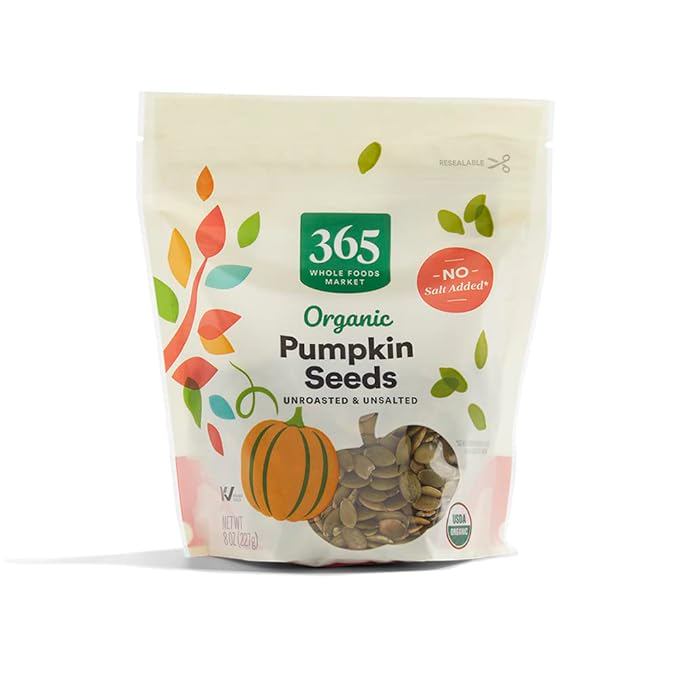
Nuts and Seeds: Pumpkin seeds, sesame seeds (and tahini), cashews, and pine nuts are excellent for sprinkling on salads, blending into sauces, or eating as a snack.
Tofu and Tempeh: Made from soybeans, these versatile proteins are often fortified with additional iron. Check the label to be sure.
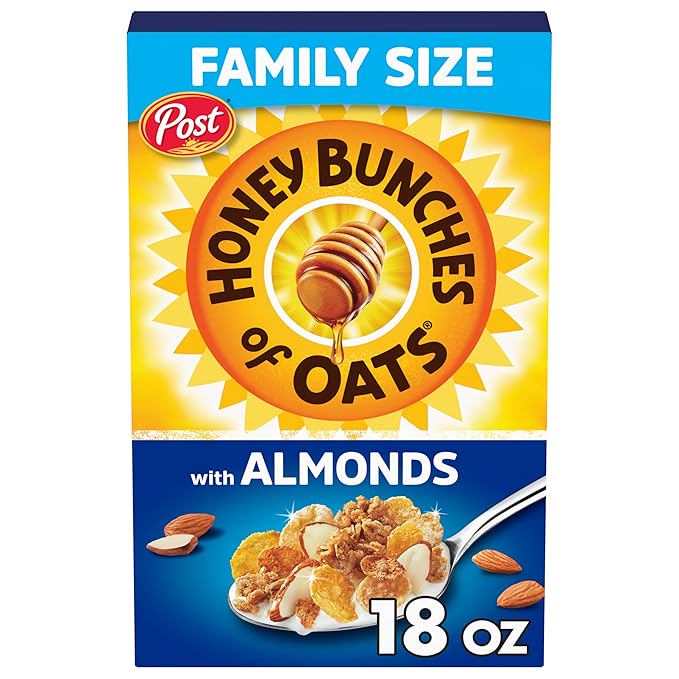
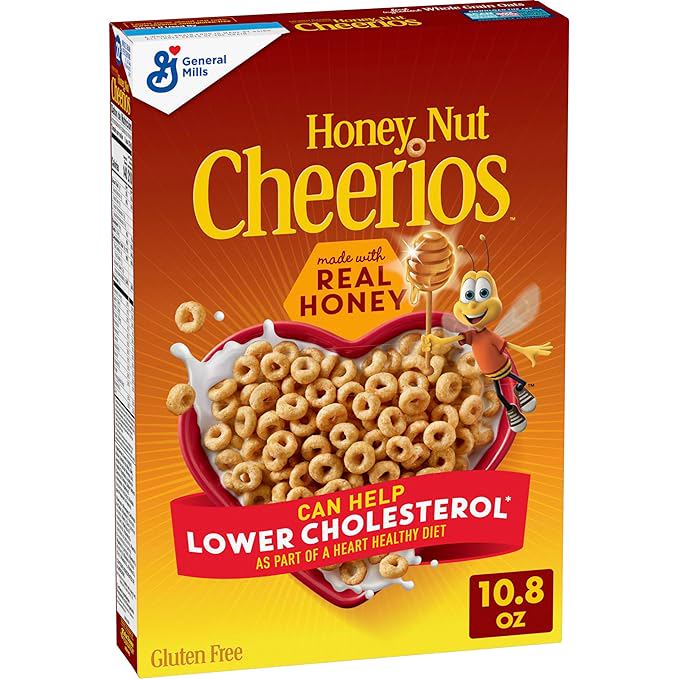
Fortified Foods: Many breakfast cereals, plant-based milks (like soy or oat milk), and nutritional yeast are fortified with iron and other nutrients.
The Absorption Boost: Pair Smartly
This is the most practical part of the guide. To get the most from the iron on your plate, pair it with vitamin C. Vitamin C transforms non-heme iron into a form your intestines can absorb much more easily.
- Add a squeeze of lemon juice to your lentil soup or spinach salad.
- Pair iron-fortified cereal with strawberries or an orange.
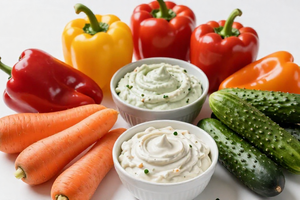
- Cook your leafy greens with tomatoes or bell peppers.
- Enjoy a glass of orange juice with your bean-based meal.
Conversely, try to avoid drinking coffee, black tea, or red wine with your main iron-rich meals, as the tannins can temporarily inhibit absorption. Having them an hour before or after is a simple workaround.
Quick & Iron-Rich Meal Ideas
Thinking in terms of complete meals makes this approach effortless.
For Breakfast
Blend a smoothie with spinach, fortified plant milk, a banana, and a handful of strawberries. The spinach provides iron, and the berries offer vitamin C. Alternatively, a bowl of iron-fortified oatmeal topped with pumpkin seeds and sliced kiwi is a perfect start.
For Lunch or Dinner
A hearty chickpea and spinach curry with tomatoes is a classic combination. A tofu stir-fry with broccoli and red bell peppers over brown rice covers all bases. Even a simple bowl of chili made with kidney beans and topped with a generous spoonful of salsa works beautifully.
Listening to Your Body
While focusing on these foods is beneficial for most, some individuals, such as those with higher needs (like athletes or pregnant people) or certain health conditions, may find it more challenging to maintain optimal iron levels through diet alone. Common signs of low iron can include persistent fatigue, paleness, shortness of breath, and dizziness.
If you have concerns about your iron status, a conversation with a healthcare provider is the best step. They can order a simple blood test and offer personalized guidance, which may include discussing whether a supplement is appropriate for you.
Building iron-rich habits is a gradual process. Start by incorporating one or two of the pairings mentioned above into your daily routine. Over time, these choices become second nature, supporting your energy and well-being from the plate up.