We often spend a small fortune on creams, serums, and treatments in pursuit of that plump, dewy look. But skin hydration starts from within. What you put on your plate can be just as important—if not more so—than what you put on your face. By choosing specific, nutrient-dense foods, you support your skin's ability to retain moisture, maintain its barrier, and stay supple naturally.
These five meal ideas are built around ingredients that deliver hydration, healthy fats, and vitamins that dermatologists and nutritionists consistently highlight for skin health. None of them require a prescription or a special trip to a clinic—just a well-stocked kitchen.
1. Overnight Oats with Chia, Berries, and Flax
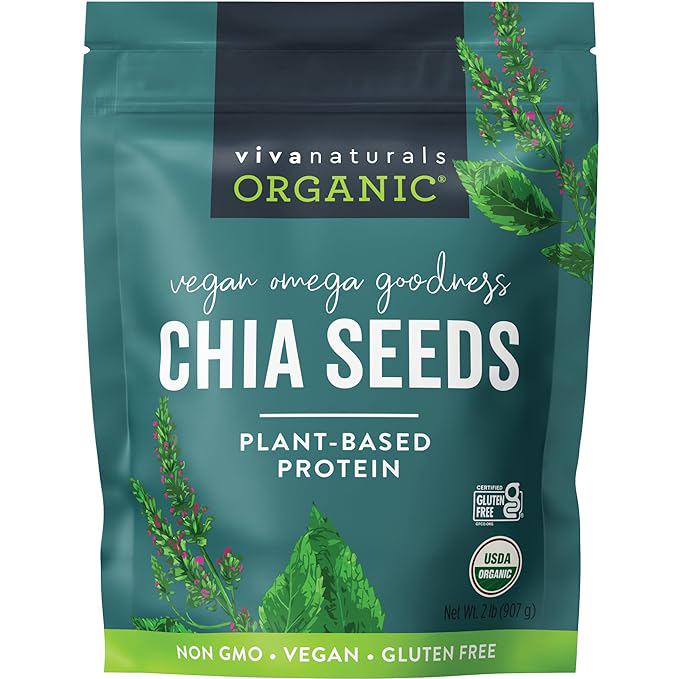
This breakfast is essentially a moisture magnet for your skin. Rolled oats and chia seeds are both excellent at absorbing liquid, and they bring soluble fiber to the table, which helps your body manage water balance. Top them with a handful of blueberries or strawberries. The antioxidants in berries, particularly vitamin C, help protect collagen from oxidative stress.
Grind a tablespoon of flaxseed into the mix: it delivers alpha-linolenic acid (ALA), a plant-based omega-3 that fights inflammation and supports a healthy lipid barrier. A well-maintained barrier traps hydration inside your skin cells.
Tip: Make a batch in a jar the night before. It saves time and lets the chia and oats fully absorb the liquid, making the texture even creamier.
2. Fatty Fish with Roasted Sweet Potato and Kale
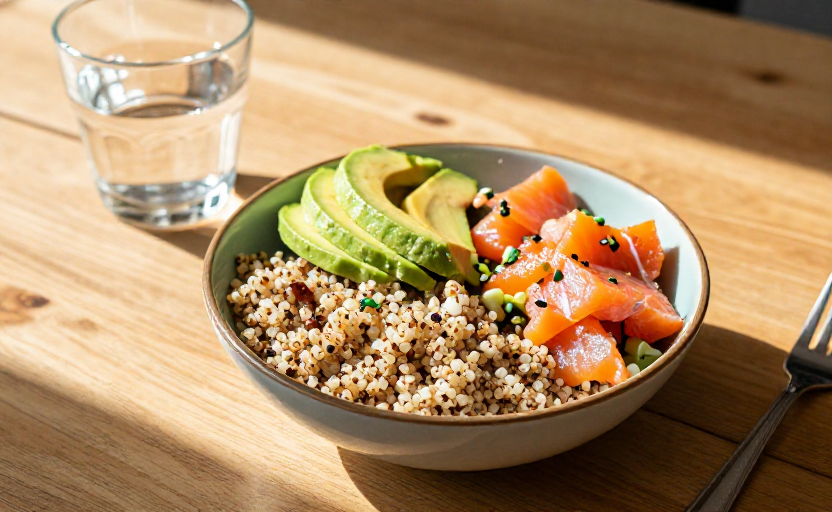
Salmon, mackerel, or sardines are some of the best sources of long-chain omega-3 fatty acids (EPA and DHA). These fats are incorporated directly into your skin cell membranes, helping them stay flexible and hydrated. A 2022 review in the Journal of Cosmetic Dermatology confirmed that omega-3 supplementation can reduce water loss from the skin and improve overall moisture levels.
Pair the fish with roasted sweet potato—a powerhouse of beta-carotene, which the body converts to vitamin A. Vitamin A is essential for skin cell turnover and repair. A side of sautéed kale (or any dark leafy green) adds vitamin C, vitamin E, and iron, creating a full-spectrum skin meal.
3. Avocado and Spinach Smoothie Bowl
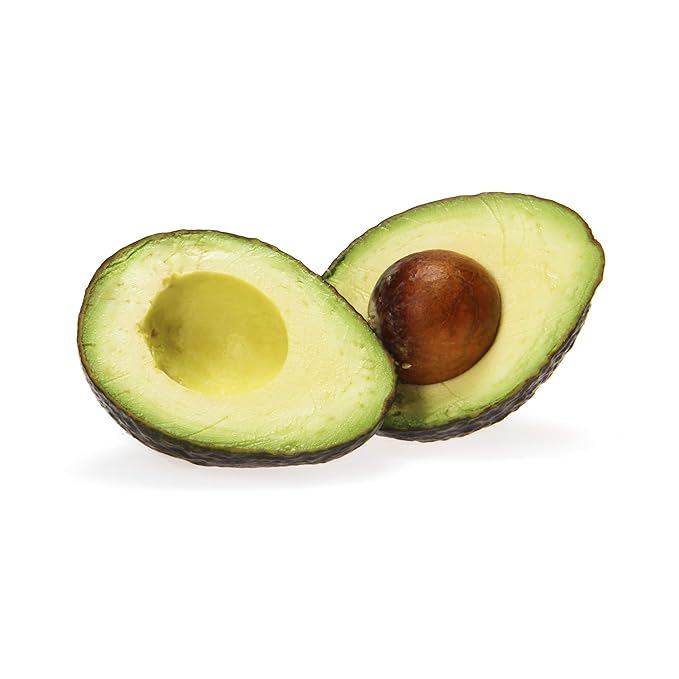
This bowl is almost unfair in its convenience. Half an avocado provides monounsaturated fats and vitamin E. Vitamin E is a fat-soluble antioxidant that protects the lipid barrier of your skin cells—think of it as your skin's personal raincoat. A study in the journal Nutrients found that higher dietary vitamin E intake is linked to lower rates of skin wrinkling and dryness.
Blend the avocado with a handful of spinach (for lutein and vitamin C), a scoop of unsweetened yogurt (probiotics help gut health, which directly influences skin clarity), and coconut water for a hydrating liquid base. Coconut water is rich in electrolytes like potassium, which help your body move water to where it's needed most.
4. Quinoa Bowl with Chickpeas, Red Bell Pepper, and Tahini Dressing
Quinoa is a complete protein, and collagen peptides are made from amino acids—you need protein building blocks to maintain your skin's structure. Chickpeas add fiber, zinc, and magnesium. Zinc is particularly important: it supports wound healing and controls inflammation, which can contribute to dehydration and dullness.
The star of this bowl is the red bell pepper. It contains more vitamin C than an orange (ounce for ounce). Vitamin C is a direct cofactor for collagen production. Drizzle with a dressing made from tahini (sesame seed paste), lemon juice, and a little water. Tahini provides polyunsaturated fats and copper, another mineral involved in collagen cross-linking.
5. Bone Broth Soup with Carrots, Celery, and Turmeric
Bone broth has become popular for good reason: it's naturally rich in collagen peptides, gelatin, glycine, and proline—the amino acids that directly support the skin's dermal matrix. While more human studies are needed, preliminary evidence suggests that collagen supplements can improve skin elasticity and moisture.
Simmer the broth with chopped carrots (beta-carotene), celery (silica and vitamin K), and a teaspoon of turmeric. Turmeric's active compound, curcumin, has been shown to reduce the activity of enzymes that break down collagen. A pinch of black pepper dramatically increases curcumin absorption. The liquid itself provides direct hydration, and the gelatin helps seal the gut lining, indirectly reducing systemic inflammation that can show up on your skin.
Simple Guidelines for Deeper Skin Hydration
- Drink water throughout the day, not all at once. Sips keep hydration steady.
- Limit added sugar and alcohol. Both can steal water from skin cells and promote inflammation.
- Eat a rainbow of vegetables. Different colors bring different phytonutrients and antioxidants.
- Incorporate healthy fats at every meal. Fat carries fat-soluble vitamins (A, D, E, K) and maintains the barrier.
These five meals are a starting point, not a strict prescription. The goal is to build a pattern of eating that nourishes your body and skin simultaneously. When you consistently choose whole foods packed with omega-3s, antioxidants, collagen-supporting nutrients, and plenty of water-rich produce, your skin will reward you with a natural glow that no topical product can match.