Good posture isn't just about standing up straight—it's built from the inside out. While exercise and ergonomics play major roles, what you eat can either fortify your spine or leave it unsupported. Your back muscles, connective tissues, and vertebrae all rely on specific nutrients to stay resilient against the daily pull of gravity and screen hunching. Below are four foods that target the key structural components of a strong back.
Why diet matters for your spine and posture
Your spine is a column of bones cushioned by discs and held together by ligaments and muscles. To keep it aligned, you need both muscular strength and flexible connective tissue. A diet rich in anti-inflammatory compounds, minerals for bone density, and protein for muscle repair supports that system. Without these building blocks, even the best stretching routine may not prevent slouching or back pain.
1. Salmon for omega-3s and vitamin D
Fatty fish like salmon deliver a one-two punch for posture. The omega-3 fatty acids (EPA and DHA) help reduce systemic inflammation, which can otherwise stiffen joints and irritate nerves along the spine. Meanwhile, vitamin D is essential for calcium absorption and bone mineralization—directly influencing vertebral strength. Regular servings of salmon (or other fatty fish such as mackerel or sardines) provide these nutrients in a form your body can use readily.
Tip: Aim for two servings of wild-caught salmon per week if it fits your dietary pattern. If you don't eat fish, talk to a healthcare provider about algae-based omega-3 supplements and vitamin D testing.
2. Leafy greens for calcium and magnesium
Dark leafy greens—think kale, collard greens, and spinach—are packed with calcium and magnesium. Calcium is the structural mineral in bone, while magnesium helps convert vitamin D into its active form and supports muscle relaxation. Tight back muscles can pull your spine out of alignment; magnesium helps them release. These greens also supply vitamin K, which directs calcium into bone rather than soft tissues.
You can add a handful to smoothies, sauté them as a side, or toss them into soups. For variety, try Swiss chard or beet greens when they're in season.
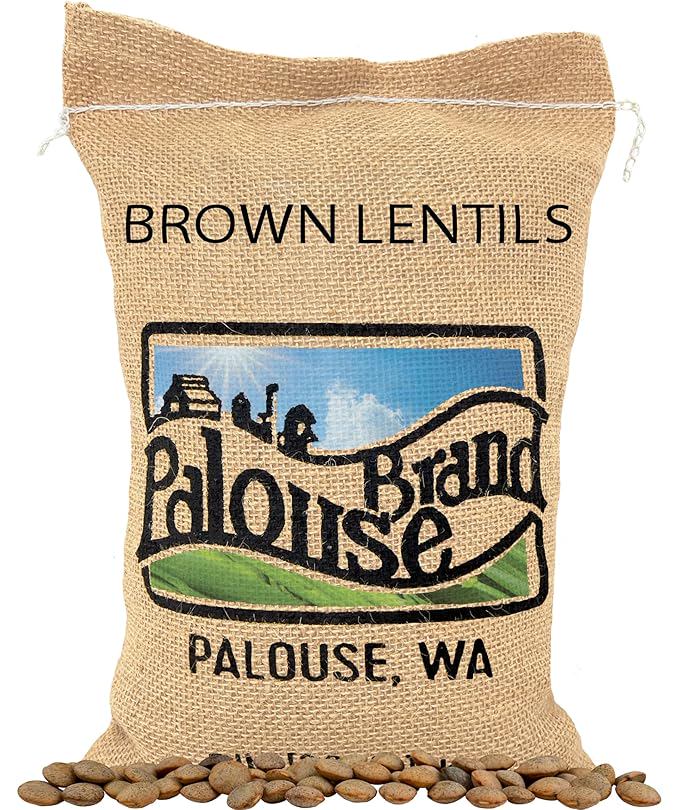
3. Beans and lentils for steady energy and protein
Strong back muscles need consistent protein to repair micro-tears from everyday movement. Beans, lentils, and chickpeas provide plant-based protein along with fiber that stabilizes blood sugar. Why does blood sugar matter for posture? Energy crashes can make you slouch in your chair. Steady glucose levels help you maintain an upright, alert posture. Additionally, legumes contain copper and manganese, two trace minerals involved in collagen formation and connective tissue health.
Try lentil soup, bean salads, or hummus with vegetable sticks. If you eat animal protein, swapping in legumes a few times a week still adds these specific micronutrients.
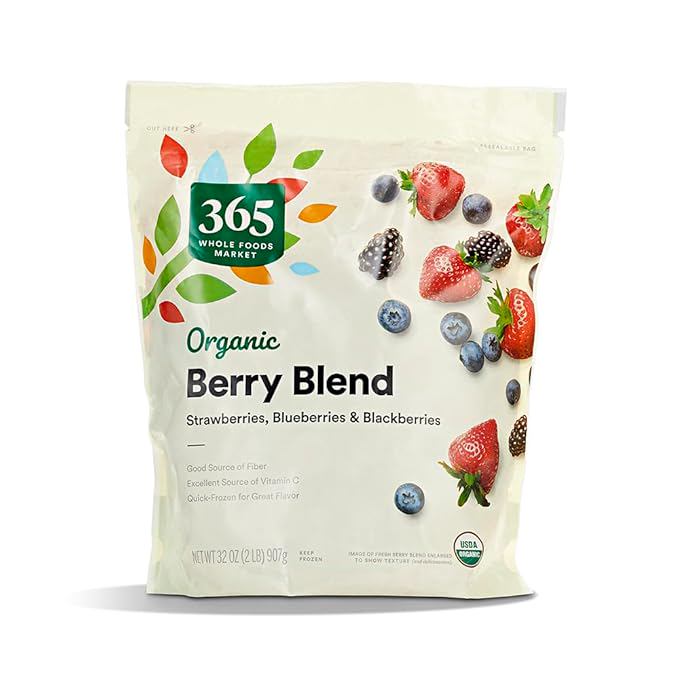
4. Berries for collagen protection
Berries—blueberries, strawberries, blackberries—are rich in vitamin C and anthocyanins. Vitamin C is a direct cofactor for collagen synthesis. The intervertebral discs and ligaments that keep your spine stable are largely made of collagen. Without enough vitamin C, those structures can weaken, leading to poor disc hydration and a higher risk of misalignment. Anthocyanins also reduce oxidative stress that accelerates age-related disc degeneration.
Fresh or frozen berries work equally well. Add them to oatmeal, yogurt, or eat them plain for a snack.
Putting it all together: a posture-supporting eating pattern
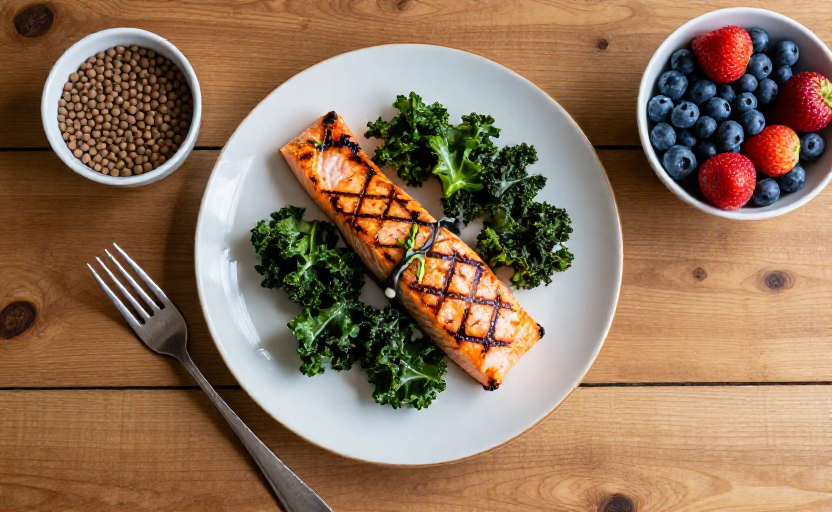
These four foods don't have to be eaten in isolation. A plate built around salmon, a side of sautéed kale, lentils as a base, and a berry parfait for dessert covers calcium, magnesium, protein, healthy fats, and collagen-supporting nutrients in one day. Also stay hydrated—water keeps spinal discs plump and functioning as shock absorbers. Pair this eating pattern with regular movement (walking, core-strengthening exercises, and stretching) for the most benefit.
Always check with a qualified healthcare provider before making significant dietary changes, especially if you have kidney issues or take blood thinners, as some of these foods can interact with medications.