
For years, we have been told that eating before bed is a bad idea. The common belief is that late-night snacking leads to weight gain, indigestion, and restless sleep. But emerging research and expert opinion are flipping that script. The truth is that a carefully chosen, balanced pre-bed snack can actually improve sleep quality and help lower stress levels.
It is not about eating a full meal or indulging in sugary treats. The key is the composition of the snack and the timing. A small, balanced snack can stabilize blood sugar overnight, provide the building blocks for sleep hormones, and prevent the cortisol spikes that wake you up or ruin your rest.
Why a Pre-Bed Snack Works for Sleep
Your body does not stop working when you sleep. It repairs tissues, consolidates memories, and regulates hormones. Going to bed hungry can create a stress response in your body. Low blood sugar signals the release of cortisol (the stress hormone) and adrenaline, which can jolt you out of deep sleep or prevent you from falling asleep in the first place.
A balanced snack that contains a mix of complex carbohydrates, lean protein, and a little healthy fat provides a steady release of glucose. This keeps your blood sugar stable. It also provides tryptophan, an amino acid that your body converts into serotonin and then into melatonin, the primary sleep hormone.
Short Tip: Think of a pre-bed snack as a bridge. It carries your body smoothly from wakefulness into rest without the metabolic dips that disrupt sleep.
The Stress Connection: Blood Sugar and Cortisol
The link between sleep and stress is well documented. Poor sleep raises cortisol. High cortisol makes it harder to sleep. This is a vicious cycle that a smart snack can help break.
When you eat a snack that contains protein and healthy fat alongside carbohydrates, you slow down digestion. This prevents a rapid spike and crash in blood sugar. A crash in blood sugar during the night is a major trigger for the body to release cortisol to bring glucose levels back up. This surge can wake you up, make you feel anxious, or leave you feeling unrested in the morning.
By eating a small, balanced snack, you signal to your body that it is safe to rest. You do not need to stress about energy availability. This is why nutrition experts now recommend a small snack for people who struggle with dawn phenomenon (high early morning blood sugar) or middle-of-the-night waking.
What Makes a Snack "Balanced" Before Bed?
A pre-bed snack is not a license to eat anything. The ideal snack should be around 150–250 calories and contain three key components:
- A complex carbohydrate: Think whole grains, oats, a banana, or a small slice of whole-wheat toast. These release energy slowly.
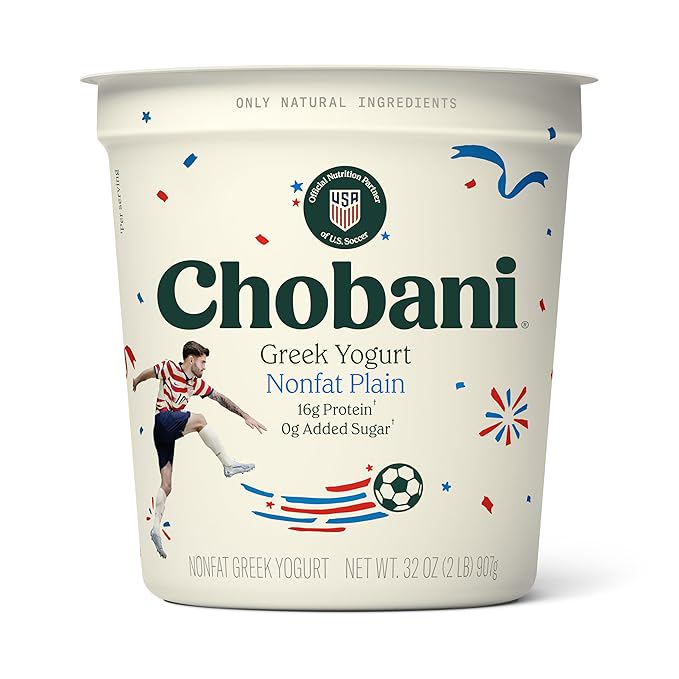
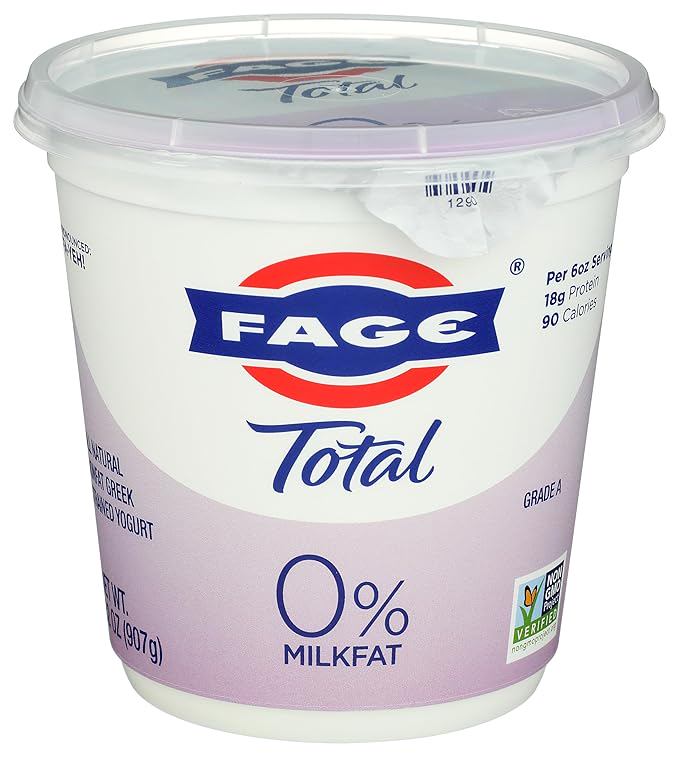
- A lean protein: A small amount of plain Greek yogurt, a slice of turkey, a handful of nuts, or a boiled egg. Protein provides tryptophan and promotes satiety.
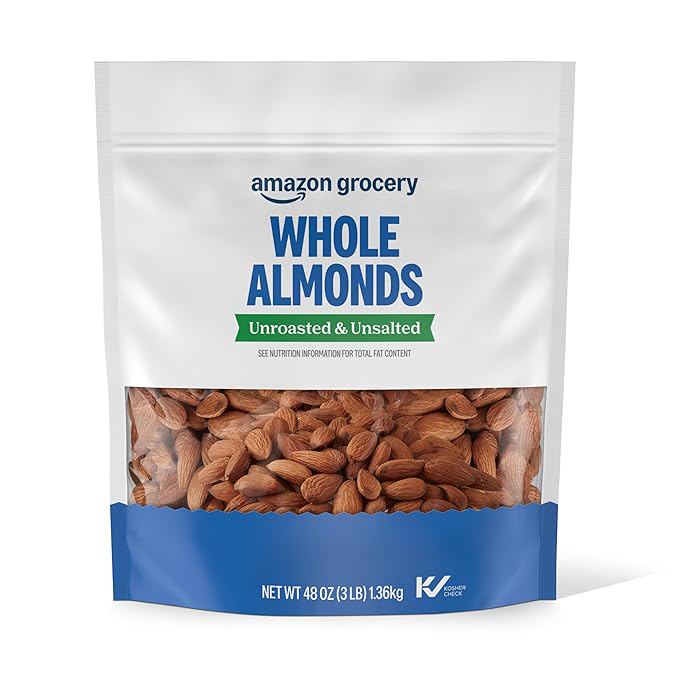
- A source of magnesium or healthy fat: Almonds, pumpkin seeds, or a smear of nut butter. Magnesium is known to help relax muscles and calm the nervous system.
Here are a few expert-backed combinations that fit this profile:
- A small banana with a tablespoon of almond butter
- A small bowl of plain Greek yogurt with a few walnuts
- Half a slice of whole-grain toast with a thin layer of avocado and a pinch of salt
- A small handful of cherries (natural source of melatonin) with a few pistachios
What to Avoid in a Late-Night Snack
Just as some foods help sleep, others ruin it. Avoid anything high in added sugar, refined flour, or caffeine. That means no cookies, cake, ice cream, or sugary cereal bars. Also skip spicy foods that can cause heartburn and large portions that cause discomfort when lying down.
Alcohol is another common trap. While a drink may make you feel drowsy, it destroys the quality of your sleep by disrupting REM cycles and causing dehydration.
Does This Work for Everyone?
This strategy is not a one-size-fits-all prescription. People who have acid reflux (GERD) may need to avoid lying down within two to three hours of eating any food. For them, an earlier snack or a very small snack (like a few almonds) might be better.
It also depends on your daily routine. If you eat a large dinner at 8 PM and go to bed at 10 PM, you may not need a snack. The snack is designed for those who eat dinner early (5–6 PM) and sleep later, or for those who find themselves hungry before bed and cannot sleep.
Always listen to your body. If you feel fine and sleep well without a snack, do not force it. If you wake up hungry or stressed, a balanced snack might be the missing link.
Simple Guidelines for the Habit
- Eat 30–60 minutes before lights out. This gives your body time to begin digestion.
- Keep it small. A snack, not a second dinner.
- Pair carbs with protein. This is the magic formula for stable blood sugar.
- Stay hydrated. Sometimes thirst mimics hunger, but do not chug right before bed.
Shifting the mindset from "never eat before bed" to "eat smart before bed" can be a game-changer. It reduces the body's stress response, supports natural sleep rhythms, and helps you wake up feeling more rested. As experts continue to study the intricate link between nutrition, sleep, and mental health, the humble pre-bed snack is earning a spot on the nightly wellness checklist.