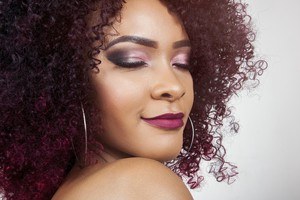
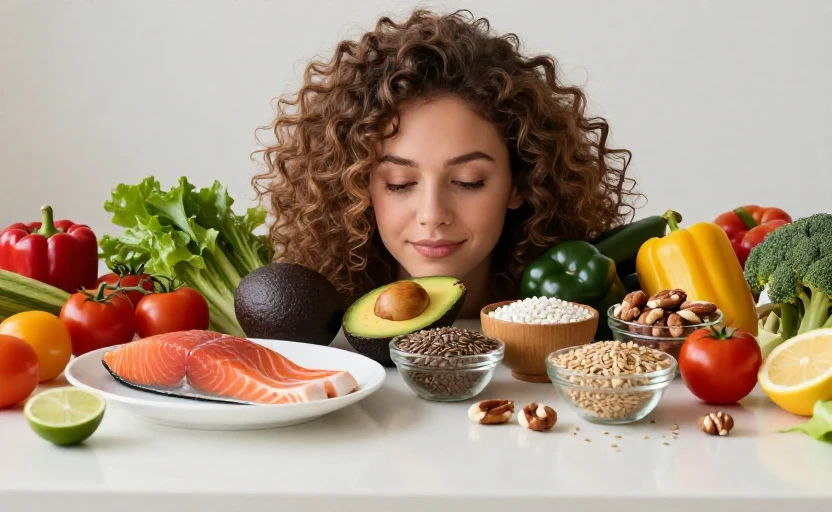
Your curls are a reflection of your overall health, and what you put on your plate matters just as much as what you put in your hair. While topical treatments can smooth and define, the true foundation for resilient, shiny, bouncy curls is built from within. Nourishing your hair from the inside out addresses the root—literally—of common concerns like dryness, brittleness, and lackluster definition.
Think of your hair follicles as tiny gardens. The quality of the soil—your internal environment—determines the strength and vitality of what grows. A diet rich in specific nutrients provides the raw materials your body needs to produce strong, flexible, and well-hydrated hair strands. This guide focuses on the key foods and nutrients that support the unique structure of curly hair, helping you cultivate your healthiest curls yet.
Why Nutrition Matters for Curly Hair
Curly and coily hair types have a distinct structure. The natural spiral shape makes it more challenging for the scalp's natural oils (sebum) to travel down the length of the hair shaft. This often leads to drier strands that are more prone to breakage. Furthermore, the bends and curves in each strand create weaker points along the hair's cortex, making it more susceptible to damage from styling, environmental stress, and internal deficiencies.
When your body is lacking essential nutrients, it prioritizes vital organs over non-essential tissues like hair follicles. This can slow growth, weaken the hair shaft, and lead to dullness or increased shedding. By consistently providing the right building blocks through your diet, you support the hair growth cycle at its source, promoting strands that are inherently stronger, more elastic, and better able to retain moisture.
Essential Nutrients for Strong, Hydrated Curls
Focusing on a few key nutrient groups can make a noticeable difference in your hair's health and appearance.
Protein: The Building Block
Hair is primarily made of a protein called keratin. Without adequate protein intake, your body can't produce strong new hair cells. Insufficient protein can lead to weak, brittle strands that snap easily and struggle to grow.
Include a source of high-quality protein at every meal to provide a steady supply of amino acids.
Excellent sources include:
- Lean poultry, fish, and eggs
- Lentils, beans, and chickpeas
- Greek yogurt, cottage cheese, and tofu
- Nuts and seeds, like almonds and pumpkin seeds
Healthy Fats: For Shine and Suppleness
Omega-3 and Omega-6 fatty acids are crucial for scalp health and hair hydration. They help reduce inflammation on the scalp, which can impede healthy growth, and they contribute to the lipid layer that keeps each hair strand moisturized and shiny from within.
Find these healthy fats in:
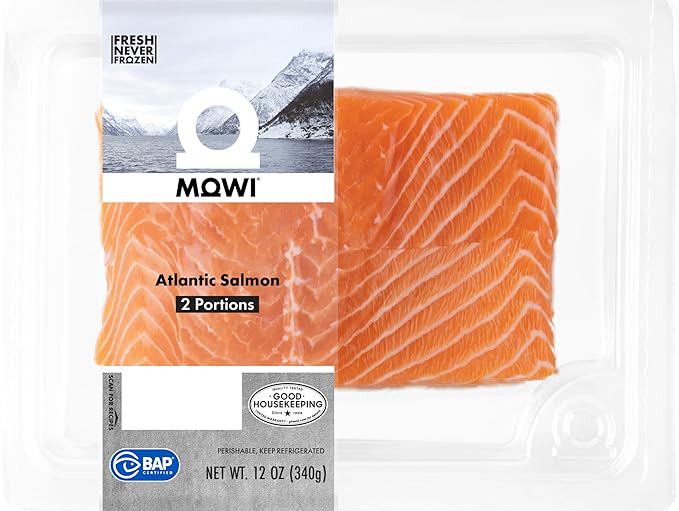
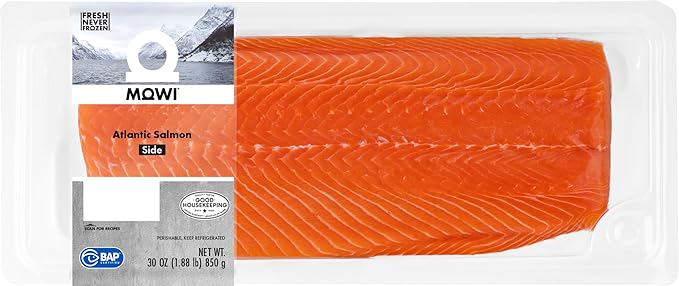
- Fatty fish like salmon, mackerel, and sardines
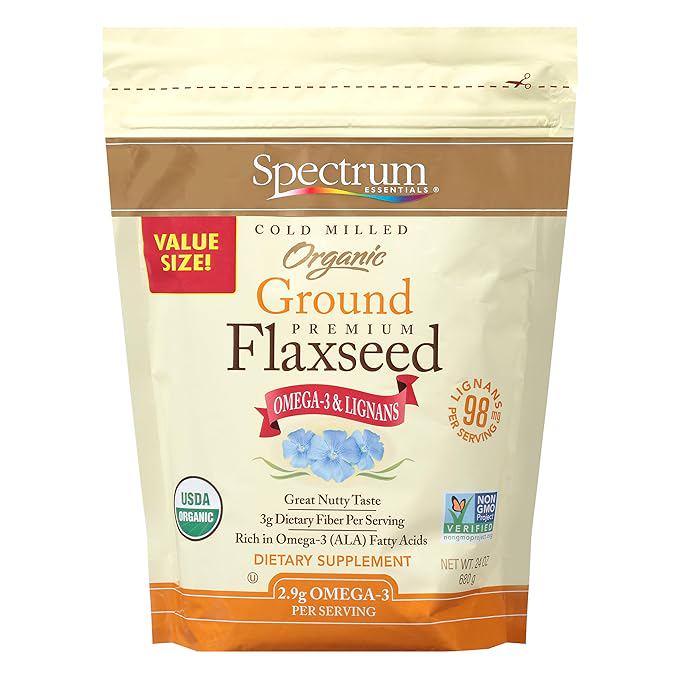
- Flaxseeds, chia seeds, and walnuts
- Avocados and extra virgin olive oil
Iron and Zinc: For Growth and Repair
Iron helps red blood cells carry oxygen to your hair follicles, which is essential for growth and repair. Zinc plays a vital role in hair tissue growth and repair and helps keep the oil glands around follicles working properly.
Pair iron-rich plant foods with vitamin C to significantly boost absorption.
To get enough of these minerals:
- Iron: Spinach, lentils, red meat, tofu, and pumpkin seeds.
- Zinc: Oysters, beef, chickpeas, cashews, and hemp seeds.
Vitamins A, C, and E: The Antioxidant Protectors
These vitamins act as antioxidants, protecting hair follicles from damage caused by free radicals (unstable molecules from pollution, UV rays, and stress). Vitamin C is also necessary for collagen production, which strengthens hair, and it aids in iron absorption.
Load up on colorful fruits and vegetables:
- Vitamin A: Sweet potatoes, carrots, and kale.
- Vitamin C: Bell peppers, strawberries, citrus fruits, and broccoli.
- Vitamin E: Sunflower seeds, almonds, and spinach.
Biotin and Other B-Vitamins
B-vitamins, particularly biotin (B7), are often associated with hair health as they help create red blood cells and support metabolism. While true biotin deficiency can cause hair loss, most people get enough from their diet.
You can find B-vitamins in a wide range of foods like whole grains, eggs, nuts, and leafy greens. Focusing on a varied, whole-foods diet typically covers your bases.
Building a Curl-Friendly Plate
It's less about a single "superfood" and more about consistent, balanced eating. Here’s what a day of curl-nourishing meals might look like:
Breakfast: A smoothie with spinach (iron, vitamins), berries (vitamin C, antioxidants), Greek yogurt (protein), and a tablespoon of flaxseed (omega-3s).
Lunch: A large salad with mixed greens, chickpeas (protein, zinc), avocado (healthy fats), sunflower seeds (vitamin E), and grilled salmon (protein, omega-3s), dressed with lemon juice (vitamin C) and olive oil.
Dinner: A stir-fry with tofu (protein, iron), broccoli (vitamin C), and red bell peppers (vitamin C) over brown rice, cooked in a small amount of sesame oil.
Snacks: A handful of walnuts with an orange, or carrot sticks with hummus.
Don't forget hydration. Water is fundamental for transporting nutrients to your scalp and keeping your hair cells plump and hydrated. Aim for adequate water intake throughout the day.
Foods to Enjoy in Moderation
No food needs to be completely off-limits, but being mindful of certain items can benefit your curls. Highly processed foods, excessive sugar, and a lot of unhealthy saturated fats can promote inflammation in the body, which may negatively impact hair health. The goal is balance—prioritize nutrient-dense whole foods most of the time.
Ultimately, feeding your curls is about feeding your whole self. By choosing a variety of colorful, whole foods rich in protein, healthy fats, and essential vitamins and minerals, you provide the foundation for hair that is not only beautiful but strong and resilient from the inside out.