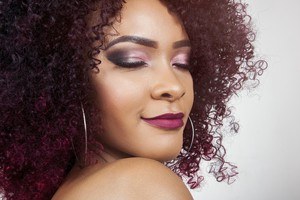
When you have curly hair, scalp health isn't just about avoiding flakes—it's the foundation for defined curls, reduced breakage, and healthy growth. Nutritionists point to one mineral that deserves more attention in your diet: zinc. This essential nutrient supports hair follicle function, helps maintain a balanced scalp environment, and can even help with the protein synthesis your curls need to stay strong.
Here are five foods packed with zinc that nutritionists specifically recommend for supporting scalp health and promoting stronger, healthier curly hair.
Oysters: The Top Source for Zinc Density
Oysters are famously the highest food source of zinc, and for good reason. A single serving provides several times the recommended daily intake for adults. The zinc in oysters is highly bioavailable, meaning your body can easily absorb and use it. For scalp health, this matters because zinc helps regulate oil production and has anti-inflammatory properties that can soothe an irritated scalp—a common issue for those with curly hair who may go longer between washes. You don't need to eat them daily; even incorporating oysters once a week can significantly boost your zinc levels.
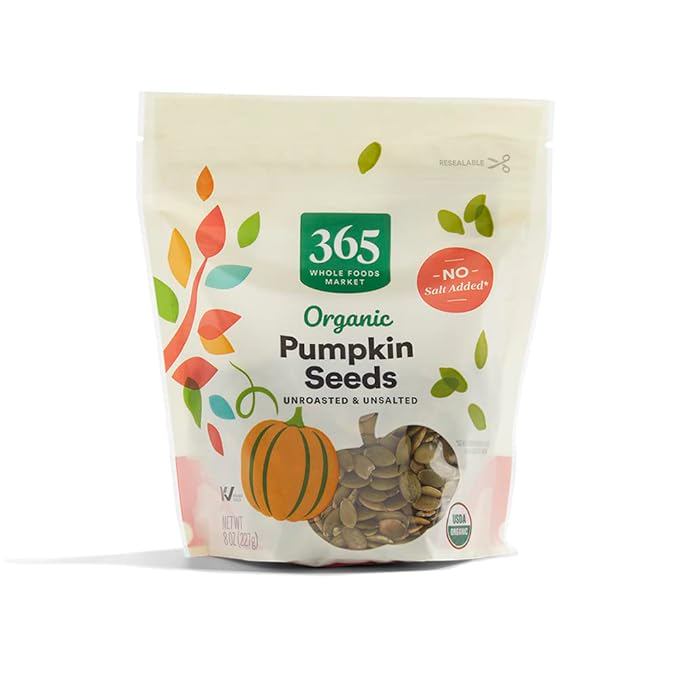
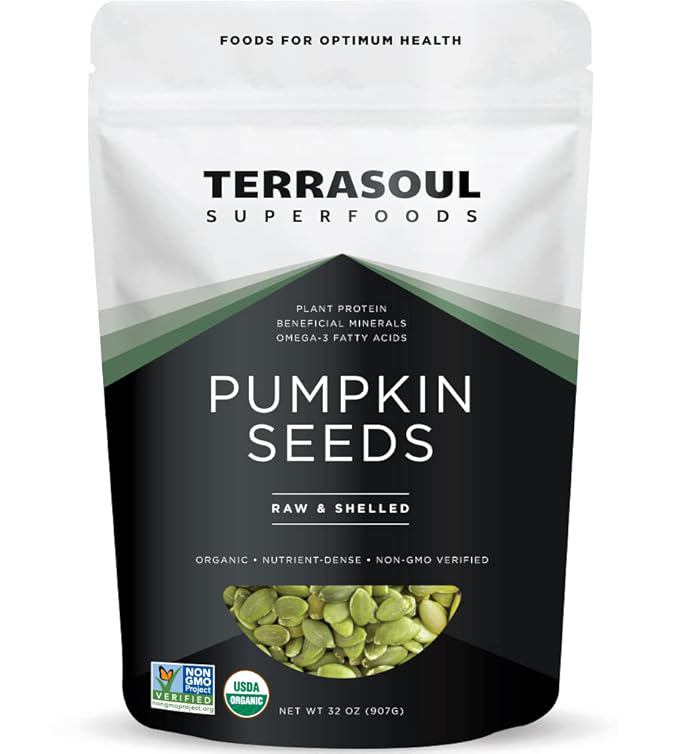
Pumpkin Seeds: A Plant-Based Powerhouse
For those who avoid shellfish or follow a plant-forward diet, pumpkin seeds are an excellent alternative. Just a quarter-cup of these seeds provides a meaningful amount of zinc, along with magnesium and healthy fats that support scalp hydration. Curly hair tends to be drier than straight hair, so the combination of zinc for follicle health and magnesium for improved circulation can make a real difference. Try adding them to salads, oatmeal, or eat them by the handful as a snack. Nutritionists often point to pumpkin seeds as one of the most accessible zinc sources for everyday eating.
Chickpeas: A Versatile Staple for Scalp Support
Chickpeas may not be the first food that comes to mind for hair health, but they are a solid source of zinc, especially for vegetarians and vegans. They also provide protein and B vitamins, both critical for the keratin structure of curly hair. Because curls are more prone to brittleness and breakage, the protein-zinc combo in chickpeas supports both the scalp environment and the hair shaft itself. Whether you enjoy them in hummus, roasted as a snack, or added to grain bowls, chickpeas are an easy, affordable way to get more zinc into your weekly rotation.
Grass-Fed Beef: A Dense Zinc Source for Hair Growth
Red meat, particularly grass-fed beef, is one of the most concentrated dietary sources of zinc. A single 3-ounce serving provides nearly half the daily recommended intake. For curly hair, this matters because zinc plays a key role in cell division and protein synthesis—both essential for hair growth. An adequately nourished scalp produces stronger hair follicles, which can lead to fewer broken curls and less shedding. If you eat beef, choosing lean cuts from grass-fed sources also gives you a healthier fat profile. For those who don't eat red meat, lamb is another good option with similar zinc content.
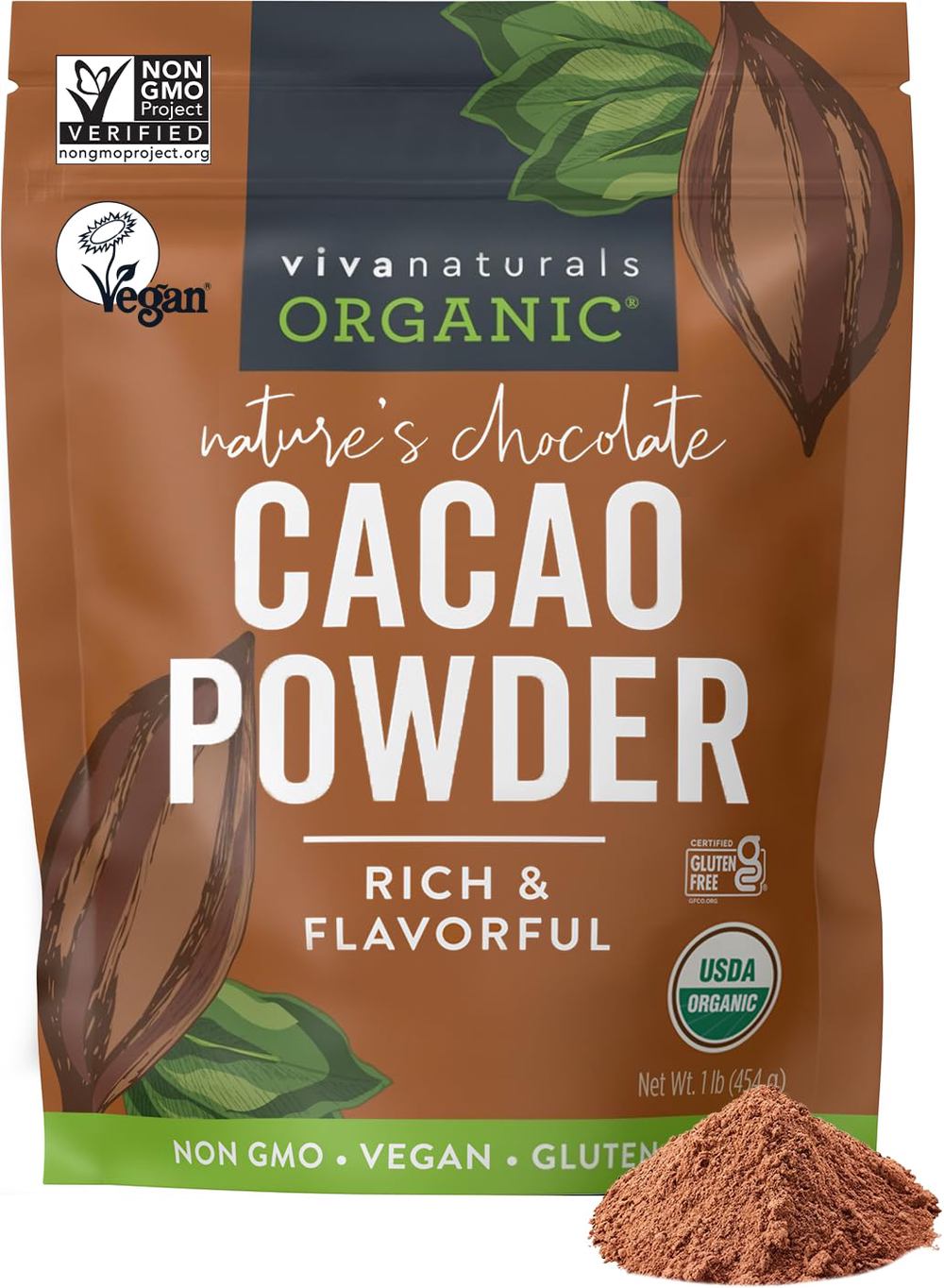
Cocoa Powder: A Sweet Surprise for Curly Hair
Yes, cocoa—the base of dark chocolate—contains notable amounts of zinc. Unsweetened cocoa powder or dark chocolate with a high cocoa percentage (70% or more) offers zinc along with antioxidants called flavonoids, which improve blood flow to the scalp. Better circulation means more oxygen and nutrients reach the hair follicles, supporting healthy curl formation from the root. This is a treat that actually works for you. Add a tablespoon of unsweetened cocoa powder to smoothies, oatmeal, or use it in homemade energy bites. Just be mindful of added sugar, which can have the opposite effect on scalp health.
A quick tip: Zinc from animal sources is more easily absorbed than zinc from plants. If you rely on plant-based zinc sources, pairing them with a source of vitamin C—like bell peppers or citrus—can improve absorption.
How to Add These Foods to Your Curly Hair Care Routine
You don't need to overhaul your entire diet to see benefits. Start by picking one or two of these foods and incorporating them a few times per week. The goal is consistency, not perfection. For best results, pair these zinc-rich foods with a balanced intake of protein, healthy fats, and plenty of water—all of which support scalp health and curl definition. While diet is foundational, remember that topical hair products also play a role; a nourishing scalp oil or a gentle clarifying shampoo can complement what you're doing internally.
As always, it's wise to talk with a healthcare provider or registered dietitian before making significant dietary changes, especially if you are considering zinc supplements. Too much zinc can be harmful and may interfere with the absorption of other minerals like copper. Food sources are almost always the safest and most effective way to meet your needs.