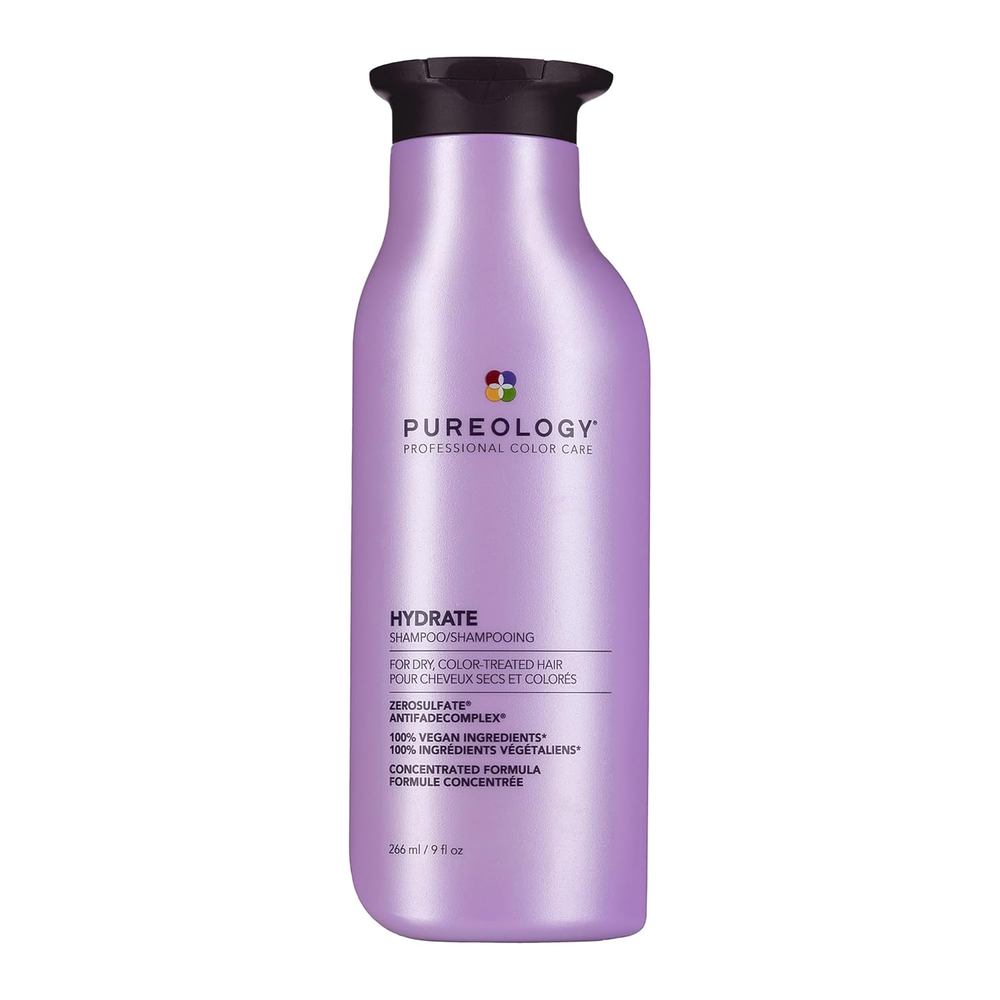
If you have curly hair and a dry, flaky scalp, you may be caught in a frustrating loop. Many common curly-girl practices—from how you wash to what you apply—can actually strip moisture from your scalp or trap irritants against the skin. The result? Flaking, itching, and a scalp that never seems to settle down. Here are five routine mistakes that could be worsening the problem, along with gentler alternatives.
1. Over-washing or under-washing your curls
Curly hair tends to be drier than straight hair because natural oils have a harder time traveling down the spiral strands. Washing too often strips the scalp of its protective sebum, leaving it dry and prone to flaking. On the other hand, going too long between washes allows oil, dead skin cells, and product residue to build up on the scalp—another common trigger for flakes and irritation. The sweet spot? Most curlies do well washing once or twice a week. Pay attention to your scalp: if it feels tight or looks ashy, you may need to wash more gently or more frequently.
2. Skipping a clarifying shampoo
Curl-enhancing creams, leave-ins, gels, and butters are wonderful for definition, but many contain waxes, silicones, and oils that cling to the hair and scalp. When these build up over time, they block the scalp’s pores and create an environment where flakes thrive. Using a gentle, sulfate-free clarifying shampoo once every two to four weeks resets the scalp. Focus the shampoo on your roots and scrub with your fingertips (not nails) to dislodge buildup without stripping the hair lengths.
3. Applying heavy products directly to the scalp
Thick butters, heavy creams, and leave-in conditioners are designed for the hair shaft, not the skin on your head. When you apply these directly to your roots, they can clog hair follicles, slow cell turnover, and cause flakes to stick to the scalp. Instead, apply your heavier products starting a few inches from the root and work downward. If your scalp needs moisture, use a lightweight, water-based serum or a few drops of a non-comedogenic oil (like jojoba or grapeseed) on the scalp, not the same rich butter you use on your ends.
4. Neglecting to exfoliate your scalp
Just like the skin on your face, your scalp sheds dead cells. Curly hair’s texture and density can trap those cells against the scalp, where they mix with sebum and form visible flakes. Physical exfoliation once a week—using a silicone scalp brush in the shower while shampoo is lathering—helps loosen dead skin and improve blood circulation. You can also try a gentle chemical exfoliant formulated for the scalp, such as a product with salicylic acid or PHA, which dissolves the bonds between dead cells without harsh scrubbing.
5. Sleeping on a rough surface
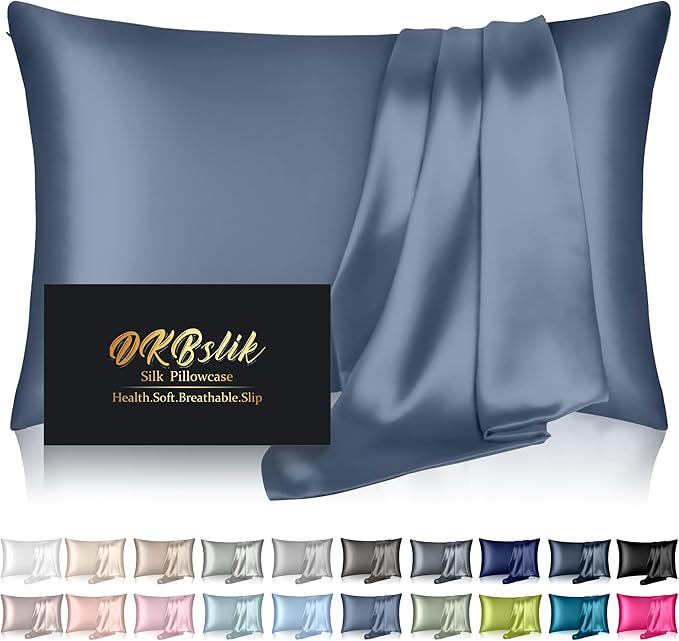
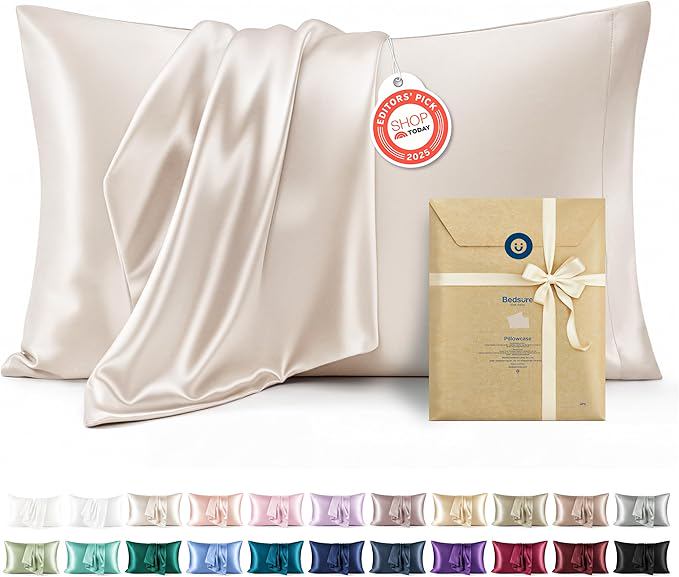
Cotton pillowcases create friction that roughens the hair cuticle and also abrade the scalp’s surface, worsening dryness and irritation. Over time, this micro-trauma can trigger inflammation and more flaking. Switching to a silk or satin pillowcase (or wearing a silk bonnet) reduces friction and helps both your curls and your scalp retain moisture. It also reduces the need to re-wet and restyle your hair every morning, which in turn reduces the amount of product you layer on.
A quick note on underlying conditions: If you have tried adjusting these habits for a few weeks and your scalp remains red, itchy, or heavily flaking, consider seeing a dermatologist. Conditions such as seborrheic dermatitis, psoriasis, or eczema may require medicated treatment—and curly hair care products alone won’t resolve them. A professional can offer a diagnosis and recommend scalp-friendly solutions that work with your curl type.