Curly hair has unique needs that often start at the scalp. A healthy scalp creates the right environment for strong, defined curls. While topical products help, what you eat plays a foundational role. Dietitians point to specific nutrients that support circulation, sebum production, and the structural integrity of hair follicles. Here are six foods that can make a real difference for scalp health and curly hair.
Why diet matters for a curly scalp
The scalp is skin, and curly hair tends to be drier because natural oils struggle to travel down twisted strands. This means the scalp needs internal support to stay balanced. Nutrients like omega-3 fatty acids, zinc, vitamin E, and protein deliver the raw materials for healthy cell turnover, reduced inflammation, and strong hair shafts. Eating consistently for scalp health supports texture, shine, and growth—no expensive rinse required.
1. Salmon and fatty fish
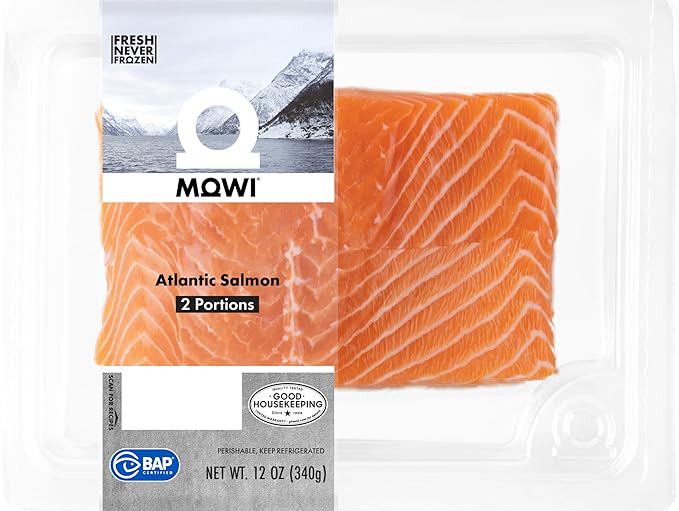
Salmon, mackerel, and sardines are rich in omega-3 fatty acids. These healthy fats help regulate sebum production and calm inflammation on the scalp. For curly hair, a well-moisturized scalp reduces itchiness and flaking. Fatty fish also provide vitamin D and protein, which are essential for hair follicle cycling. Dietitians suggest two to three servings per week for noticeable benefits.
Omega-3s in fatty fish support scalp hydration and may reduce dryness that often affects curly textures.
2. Avocado
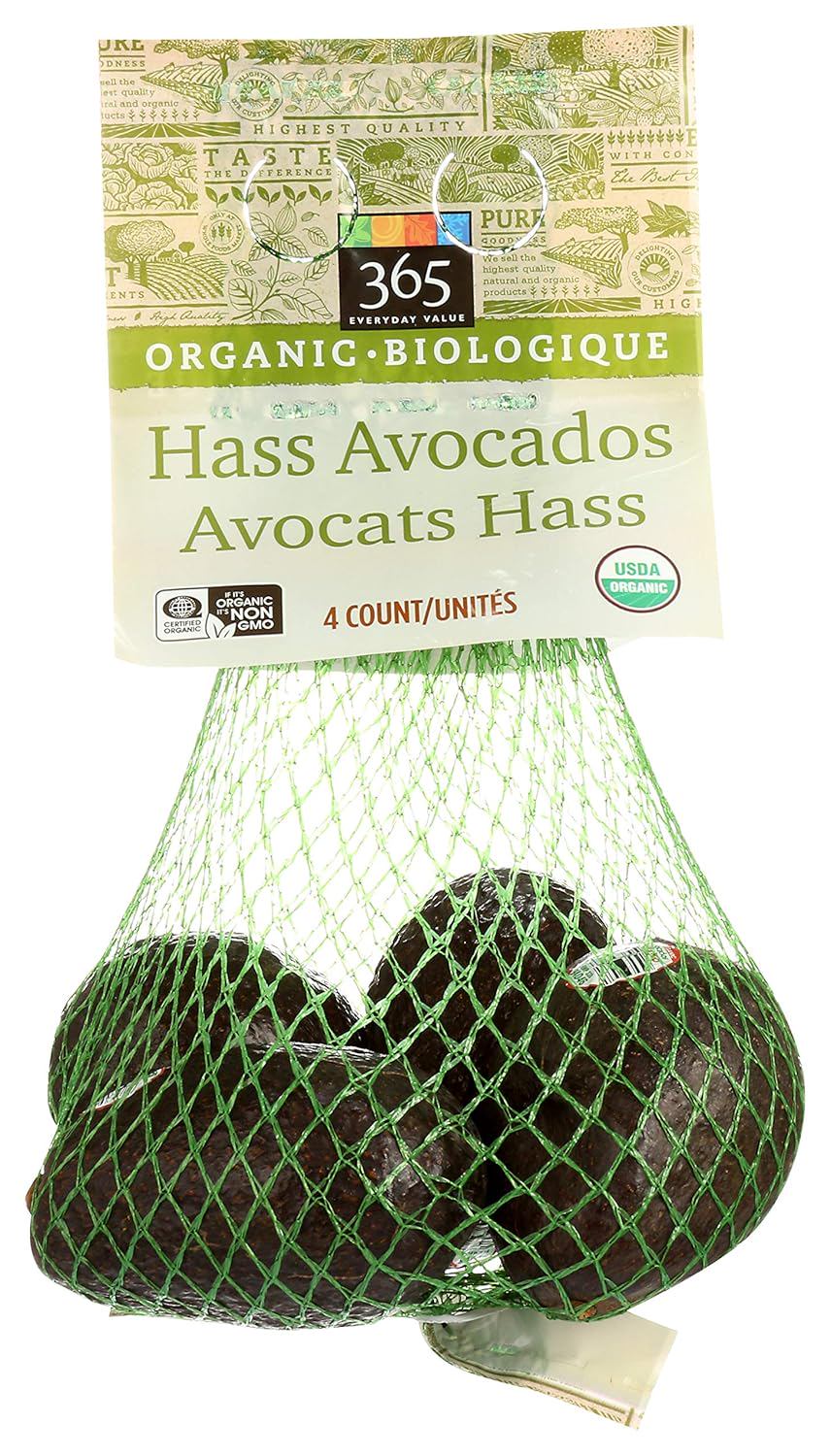
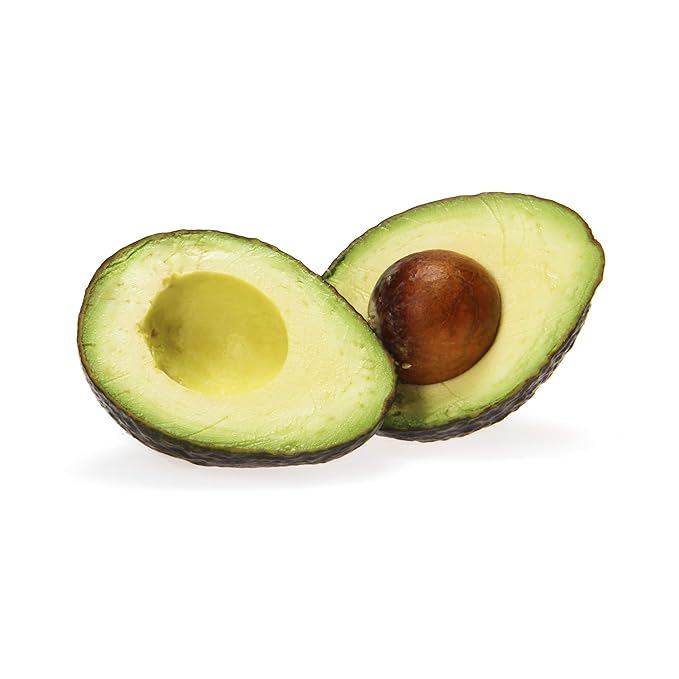
Avocado is loaded with monounsaturated fats and vitamin E. Vitamin E is an antioxidant that protects scalp cells from oxidative stress. A well-nourished scalp can better support healthy hair growth. Avocados also deliver B vitamins and folate, which aid in red blood cell production and oxygen delivery to hair follicles. Add half an avocado to a smoothie or slice it onto toast for a simple scalp-friendly meal.
3. Eggs
Eggs are a complete protein source, and hair is made mostly of a protein called keratin. Without enough protein, hair can become brittle and prone to breakage—especially problematic for curly hair, which is already more fragile. Eggs also contain biotin, a B vitamin linked to stronger hair and nails. Eating eggs regularly helps ensure your body has the building blocks for resilient curls.
4. Spinach and leafy greens
Spinach, kale, and Swiss chard provide iron, vitamin C, and folate. Iron deficiency is a known contributor to hair thinning, and curly hair needs adequate oxygen-rich blood flow to the scalp to maintain density. Vitamin C in greens enhances iron absorption and supports collagen production, which adds structure to the scalp and hair strands. A daily salad or sautéed greens can keep these levels steady.
5. Nuts and seeds
Almonds, walnuts, flaxseeds, and chia seeds are concentrated sources of zinc, selenium, and omega-3s. Zinc helps regulate oil production on the scalp and supports tissue repair. A zinc shortfall can lead to dandruff or slow hair growth. Walnuts and flaxseeds also provide alpha-linolenic acid, a plant-based omega-3 that complements the fats from fish. A small handful as a snack or sprinkled on oatmeal works well.
6. Berries
Blueberries, strawberries, and raspberries are loaded with vitamin C and antioxidants. Vitamin C is necessary for collagen synthesis—collagen strengthens the capillaries that supply blood to hair follicles. Antioxidants in berries help protect the scalp from environmental damage and inflammation. Including a cup of mixed berries in breakfast or as a dessert supports both overall health and scalp vitality.
How to build scalp-friendly meals
You do not need to overhaul your diet overnight. Small, consistent additions make the biggest difference. Pair spinach with eggs for an iron-and-protein boost. Top a salmon salad with avocado and walnuts for a meal that covers multiple scalp-supporting nutrients. Think of these foods as part of a pattern, not a quick fix. Dietitians emphasize that scalp health responds best to steady, whole-food eating habits over time.
What about hydration and scalp care?
Water intake matters for every cell in the body, including those on the scalp. Dehydration can lead to a dry, tight scalp and brittle hair. While these six foods offer concentrated nutrition, drinking enough water throughout the day helps transport those nutrients and flush waste products. Pairing a balanced diet with gentle cleansing and regular moisture for curly hair completes the picture.
Common questions about food and scalp health
Some people wonder if supplements can replace food sources. Dietitians generally advise getting nutrients from whole foods first, because food provides a complex matrix of vitamins, minerals, and fiber that supplements cannot fully replicate. If you suspect a deficiency, it is best to consult a healthcare professional. Another frequent question is whether diet alone can solve scalp issues. A nutrient-rich diet supports healing, but persistent problems like severe dandruff or scalp acne may need a dermatologist's evaluation.
Supporting your scalp starts on your plate. These six foods offer a practical, research-backed way to nourish your curls from the inside out. Consistency matters more than perfection. Even two or three of these foods included regularly can help your scalp stay balanced and your curls thrive.