Managing diabetes often feels like a puzzle, with food at the very center. The goal isn't a restrictive diet, but a sustainable way of eating that nourishes your body and supports stable blood sugar. Think of it less as a list of forbidden foods and more as a new approach to building your plate—one that focuses on balance, timing, and the quality of what you eat.
This guide walks you through that approach, step by step. We’ll focus on practical strategies for creating satisfying meals that work with your body’s needs, emphasizing whole foods, smart combinations, and a mindful relationship with eating.
Understanding the Goal: More Than Just Sugar
When you have diabetes, your body has trouble managing glucose, the sugar from food that fuels your cells. The aim of your eating pattern is to help your body handle this glucose more effectively. This means focusing on foods that cause a slower, more gradual rise in blood sugar, rather than a rapid spike. It’s about the quality of carbohydrates, the power of protein and fiber, and the timing of your meals.
The most effective eating pattern is the one you can maintain consistently. Perfection is not the goal; progress is.
The Balanced Plate Method: Your Visual Guide
One of the simplest tools for meal planning is the plate method. It provides a visual framework to ensure you’re getting a balance of nutrients without complicated measuring for every meal.
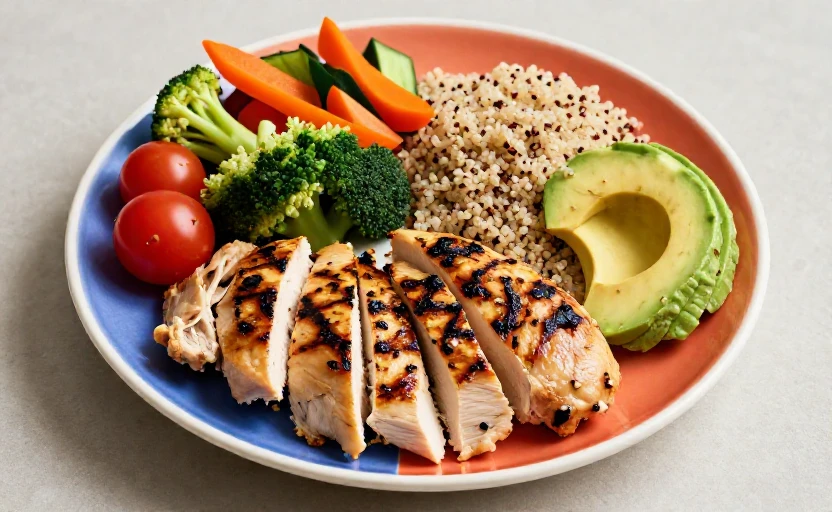
- Fill half your plate with non-starchy vegetables. This is the foundation. Think leafy greens, broccoli, peppers, cauliflower, green beans, tomatoes, and mushrooms. These are high in fiber, vitamins, and minerals, and very low in carbohydrates that impact blood sugar.
- Dedicate one-quarter of your plate to lean protein. Protein helps with satiety and has minimal direct effect on blood glucose. Options include chicken, turkey, fish, tofu, tempeh, eggs, and legumes like lentils or beans (which also contain carbs).
- Use the remaining quarter for quality carbohydrates. This is where your body gets energy. Choose high-fiber, complex carbs like quinoa, brown rice, sweet potato, whole-grain bread, or whole-wheat pasta. Portion size here is key.
- Include a serving of healthy fat. Add a small side of fat, like a drizzle of olive oil, a quarter of an avocado, or a small handful of nuts. Fat slows digestion, which can help blunt blood sugar spikes.
Choosing Your Carbohydrates Wisely
Carbohydrates have the most significant impact on blood sugar, so choosing them thoughtfully is essential. The goal isn’t elimination, but selection and pairing.
Focus on Fiber
Fiber is a carbohydrate your body can’t digest. It slows the absorption of sugar into your bloodstream and promotes fullness. Aim for high-fiber carbs like whole grains (oats, barley, farro), beans, lentils, fruits with skins, and the non-starchy vegetables on half your plate.
Be Mindful of Sugars
Limit foods with added sugars, which cause rapid spikes. These are found in sugary drinks, candy, pastries, and many processed foods. Read labels; sugar can hide under many names like sucrose, high-fructose corn syrup, and agave nectar. Natural sugars in whole fruit are fine in moderation, as the fiber in fruit helps moderate their effect.
The Power of Protein and Fat
While carbs get most of the attention, protein and fat play crucial supporting roles. Including a source of each in your meals helps create a slower, more sustained energy release.
Protein from sources like fish, poultry, eggs, and plant-based options provides steady energy and helps maintain muscle mass. Healthy fats from avocados, nuts, seeds, and olive oil not only support heart health but also increase meal satisfaction and slow gastric emptying, which can lead to a more gradual rise in blood glucose after eating.
Practical Tips for Everyday Eating
Knowledge is one thing; putting it into practice is another. Here are some actionable strategies.
- Plan and prep. Having pre-washed veggies, cooked grains, and prepared protein in the fridge makes assembling a balanced plate quick on busy days.
- Read nutrition labels. Pay attention to serving size, total carbohydrates, and fiber. A higher fiber content is a good sign.
- Stay hydrated with water. Sometimes thirst can mimic hunger. Drinking water throughout the day supports overall metabolism.
- Eat at regular intervals. Skipping meals can lead to overeating and blood sugar swings later. Consistent meal timing helps your body regulate glucose levels.
- Listen to your body. Eat when you’re moderately hungry and stop when you’re comfortably full. This mindful approach can prevent overconsumption.
Foods to Emphasize and Enjoy
Your food choices should be enjoyable and abundant. Build your meals around these staples:
- Non-starchy vegetables: Spinach, kale, zucchini, asparagus, Brussels sprouts, salad greens.
- Lean proteins: Grilled chicken, baked salmon, scrambled eggs, edamame, chickpeas.
- Whole grains: Old-fashioned oats, quinoa, whole-grain bread, barley, whole-wheat pasta.
- Healthy fats: Almonds, walnuts, chia seeds, olive oil, avocado.
- Fruits (in moderation): Berries, apples, pears, oranges—preferably whole fruit rather than juice.
A Final Note on Individuality
This guide offers a strong foundation, but diabetes management is personal. How your body responds to different foods can be unique. Monitoring your blood sugar as directed by your healthcare provider is the best way to learn what works for you. Consider working with a registered dietitian who specializes in diabetes care. They can help you tailor these principles to your lifestyle, preferences, and health goals, creating a plan that feels empowering, not restrictive.