
Morning stiffness can make the simple act of getting out of bed feel like a monumental task. For many navigating menopause, that creaky, achy sensation in the knees, hands, and hips is a daily reminder that hormones and inflammation are closely linked. While no single meal is a cure, what you choose to eat first thing can either fuel the fire or help cool it down.
The connection between your breakfast plate and your joints comes down to one key process: inflammation. Certain foods trigger an inflammatory response, while others provide the raw materials your body needs to reduce swelling, soothe tissues, and ease that stiff feeling. By shifting what you reach for in the morning, you can set a quieter tone for your entire day.
How breakfast influences joint health
Your body's inflammatory pathways are highly responsive to what you eat. After a night of fasting, your breakfast choices directly influence your blood sugar, gut health, and the production of signaling molecules that control inflammation. A breakfast high in refined sugar and processed carbohydrates can cause a sharp spike in insulin, which promotes inflammation. Conversely, a meal rich in fiber, healthy fats, and antioxidants provides compounds that actively work to reduce oxidative stress and calm inflammatory cytokines.
For women in menopause, the decline in estrogen further complicates this picture, as estrogen has a natural anti-inflammatory effect. This makes it even more important to support your joints through diet. The goal isn't deprivation—it's strategic nourishment.
The best foods for a joint-friendly breakfast
Fatty fish for omega-3 power
Salmon, mackerel, and sardines are among the richest sources of long-chain omega-3 fatty acids (EPA and DHA), which are well-studied for their ability to reduce joint pain and stiffness. A simple breakfast of smoked salmon on a slice of whole-grain toast, or leftover grilled salmon flaked into scrambled eggs, delivers a potent anti-inflammatory punch. Omega-3s work by interfering with the inflammatory cascade, lowering the production of compounds that cause swelling and pain.
Berries for antioxidant defense
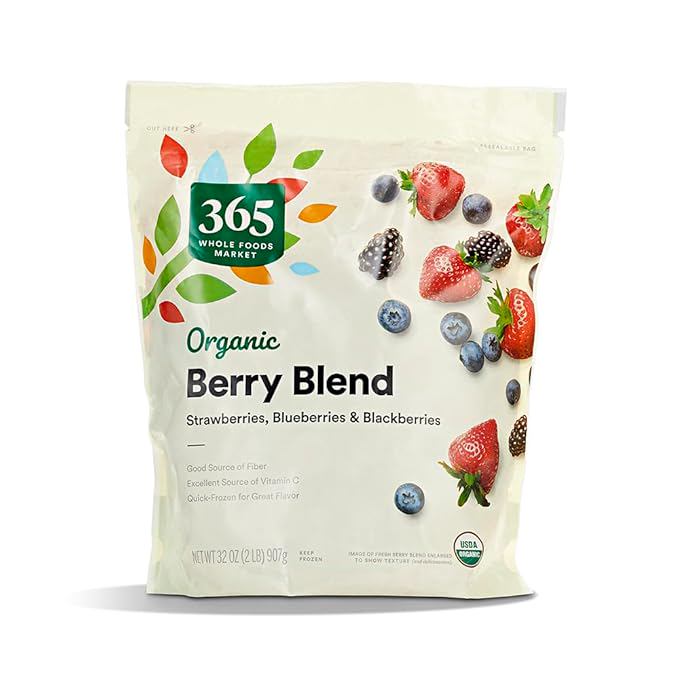
Blueberries, strawberries, raspberries, and blackberries are packed with anthocyanins, plant compounds that give them their deep colors and act as powerful antioxidants. These compounds help neutralize free radicals—unstable molecules that damage cells and trigger inflammation. A handful of frozen berries stirred into oatmeal or yogurt is a quick, year-round way to add this protection. One study found that older adults who ate blueberries daily showed a significant reduction in markers of inflammation, including those linked to joint health.
Leafy greens and cruciferous vegetables
It might feel strange to think of vegetables at breakfast, but spinach, kale, and arugula are mild enough to blend into smoothies, fold into omelets, or tuck into a breakfast wrap. These greens are rich in vitamin K, which plays a role in bone health and inflammation regulation. Cruciferous vegetables like broccoli (try adding leftover roasted broccoli to a frittata) contain sulforaphane, a compound that blocks the inflammatory pathway and may help protect cartilage.
Whole grains for steady blood sugar
Steel-cut oats, quinoa, buckwheat, and whole-grain rye provide slow-digesting carbohydrates that prevent the blood sugar spikes that fuel inflammation. They also deliver fiber, which feeds beneficial gut bacteria. A healthy gut microbiome is increasingly recognized for its role in reducing systemic inflammation. A warm bowl of oatmeal topped with nuts and berries is a classic choice for a reason.
Healthy fats from nuts, seeds, and avocado
Walnuts, flaxseeds, chia seeds, and almonds are excellent sources of alpha-linolenic acid (ALA), a plant-based omega-3 that offers anti-inflammatory benefits. Avocados provide monounsaturated fats and vitamin E, another antioxidant that protects cells. Sprinkle ground flaxseed over your cereal, add a tablespoon of chia seeds to your smoothie, or spread half an avocado on toast for a creamy, satisfying start.
Foods to limit or avoid
Just as important as what you add is what you cut back on. For many people, certain foods exacerbate joint stiffness, though responses vary. Common culprits include:
- Added sugars and refined grains: Pastries, sugary cereals, white bread, and sweetened coffee drinks can spike inflammation.
- Processed meats: Bacon and breakfast sausages contain advanced glycation end products (AGEs) and saturated fats that may promote inflammation.
- Vegetable oils high in omega-6: Soybean, corn, and sunflower oils are used in many packaged breakfast items and can upset the omega-3 to omega-6 ratio, though some omega-6 is necessary.
- Dairy for some individuals: Some people with inflammatory arthritis or sensitivities find that reducing dairy eases stiffness, though this is not universal.
A simple swap: trade your morning pastry for a bowl of oatmeal with berries and walnuts. You'll get fiber, antioxidants, and healthy fats instead of a sugar rush that leaves you stiff and hungry.
Simple breakfast ideas to try
You don't need elaborate recipes. Here are a few combinations that take minutes to assemble:
- Overnight oats: Mix rolled oats with almond milk, a spoonful of chia seeds, and a handful of frozen berries. Let it sit in the fridge overnight. In the morning, top with chopped walnuts.
- Green smoothie: Blend a handful of spinach, a few frozen pineapple chunks, half a banana, a tablespoon of flaxseed meal, and unsweetened oat milk. Pineapple contains bromelain, an enzyme with mild anti-inflammatory effects.
- Egg and veggie scramble: Sauté any leftover vegetables (bell peppers, zucchini, kale) in a little olive oil. Add two beaten eggs and cook gently. Serve with a slice of whole-grain toast.
- Avocado toast with seeds: Mash half an avocado onto whole-grain rye bread. Sprinkle with hemp seeds, a pinch of chili flakes, and a squeeze of lemon.
Putting it all together for lasting relief
Consistency matters more than perfection. Eating a single anti-inflammatory breakfast won't undo years of dietary habits, but making it a regular practice can lead to noticeable improvements over several weeks. Keep a simple food and symptom journal: note what you ate for breakfast and how your joints felt by mid-morning. Many women discover that small changes create meaningful shifts in their comfort and mobility.
Remember that individual responses vary. If you have a known food sensitivity or a chronic condition such as rheumatoid arthritis, work with your healthcare provider or a registered dietitian to tailor these suggestions to your needs. The morning meal is a powerful tool—one you can use to greet the day with a little less stiffness and a lot more ease.