For many women, the transition through menopause brings a familiar list of concerns: hot flashes, sleep disruption, and mood shifts. But there is a quieter, more consequential change happening beneath the surface that often goes unmentioned until something goes wrong. After menopause, the risk of heart disease rises significantly — in fact, cardiovascular disease becomes the leading cause of death for women in this life stage, outpacing even breast cancer. Understanding why this happens is not about fear-mongering; it is about giving you the practical knowledge to protect your heart for the decades ahead.
The shift is not subtle. Before menopause, women typically have a lower risk of heart disease than men of the same age. After menopause, that gap narrows considerably. This is not a random biological quirk — it is tied directly to the hormonal changes your body undergoes, as well as the natural aging process and shifts in lifestyle factors that can compound over time. Let us walk through the key mechanisms, what they mean for your daily life, and what you can actually do about it.
What happens to estrogen and your blood vessels?
Estrogen is more than a reproductive hormone. It is a powerful regulator of your cardiovascular system. During your reproductive years, estrogen helps keep blood vessels flexible and dilated, which supports healthy blood flow and stable blood pressure. It also has a favorable effect on cholesterol metabolism, helping to keep LDL (the “bad” cholesterol) in check while promoting higher levels of HDL (the “protective” cholesterol).
When you enter postmenopause — meaning you have not had a menstrual period for 12 consecutive months — your ovaries largely stop producing estrogen. This abrupt decline removes a key protective factor for your arteries. Without estrogen’s influence, blood vessels become stiffer and less elastic. This stiffness increases the workload on your heart and can contribute to rising blood pressure. The balance of cholesterol also shifts: LDL levels often creep upward, and HDL levels may drop or lose some of their protective function.
This vascular aging is not something you can feel day-to-day, which is why it is often called a “silent” risk factor. But it sets the stage for atherosclerosis — the buildup of plaque inside artery walls — which is the root of most heart attacks and strokes.
A key takeaway: postmenopause does not cause heart disease overnight. It removes a layer of natural protection, making the underlying risk factors that may have been building for decades more likely to surface.
How does body fat distribution change?
Many women notice that after menopause, their weight seems to settle around the midsection rather than the hips and thighs. This is not just a cosmetic concern — it is a metabolic shift with real cardiovascular implications. The loss of estrogen encourages the body to store more visceral fat, which is the deep belly fat that wraps around your internal organs. Unlike subcutaneous fat (the kind you can pinch), visceral fat is metabolically active. It releases inflammatory compounds and hormones that can directly damage blood vessels and promote insulin resistance.
This change in fat distribution is one reason why waist circumference becomes a more important health marker for postmenopausal women than body weight alone. Even if the number on the scale does not change dramatically, an expanding waistline can signal increasing cardiovascular risk.
What about blood pressure and insulin?
Blood pressure tends to rise with age for everyone, but the trajectory steepens for women after menopause. The loss of estrogen’s vasodilating effect means that blood vessels are more prone to constriction, and the renin-angiotensin system — which controls blood pressure — becomes more active. This can lead to a pattern where systolic blood pressure (the top number) climbs steadily through the postmenopausal years.
Insulin sensitivity also tends to decline during this period. Many postmenopausal women experience higher fasting blood glucose levels and a greater likelihood of developing metabolic syndrome — a cluster of conditions that includes high blood pressure, elevated blood sugar, excess abdominal fat, and abnormal cholesterol levels. Each of these components is an independent risk factor for heart disease, and they often reinforce one another.
What about lifestyle factors that compound the risk?
It would be misleading to pin all the risk on hormones alone. The postmenopausal years often coincide with other life transitions that can chip away at heart health. Sleep disturbances become more common, and chronic poor sleep is linked to higher blood pressure and inflammation. Stress from caregiving roles, career demands, or personal health concerns can elevate cortisol levels, which in turn promotes visceral fat storage and blood vessel damage.
Physical activity patterns may shift as well. Joint stiffness, lingering effects of earlier injuries, or simply a busier schedule can lead to a more sedentary daily routine. And because muscle mass naturally declines with age, your resting metabolic rate slows, making it easier to gain weight even if you are eating the same amount as before.
Practical steps to lower your risk
The picture may sound daunting, but the reality is that postmenopausal women have significant power to modify their heart disease risk. The body is remarkably responsive to positive changes, even years after menopause begins.
- Prioritize protein and strength training. Resistance exercise — using weights, resistance bands, or body-weight moves like squats and push-ups — helps preserve lean muscle mass, which supports metabolic health and helps counteract the shift toward visceral fat storage. Aim for two to three sessions per week.
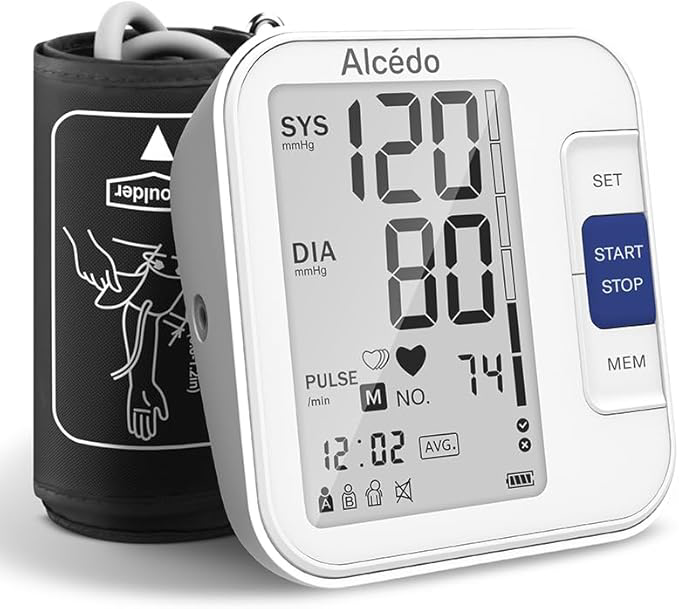
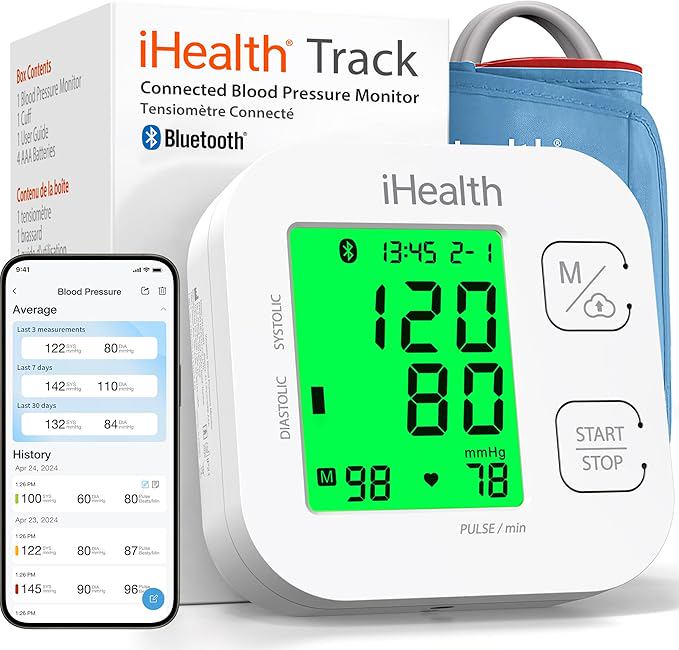
- Monitor blood pressure at home. Because the rise in blood pressure can be gradual and symptomless, having a home monitor and checking it regularly can help you catch changes early. Discuss any upward trends with your healthcare provider rather than waiting for an annual visit.
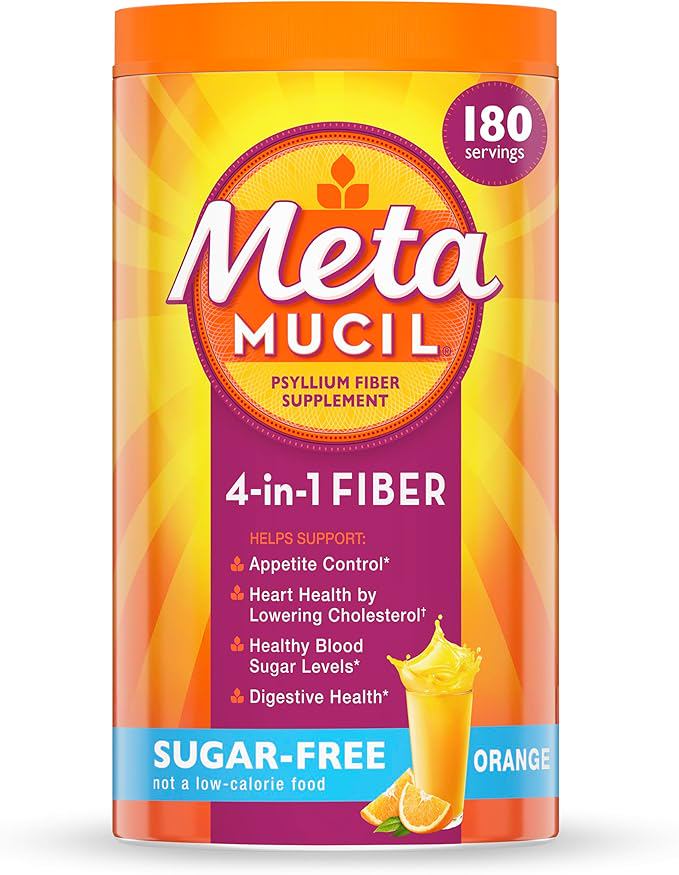
- Focus on fiber and healthy fats. A diet rich in vegetables, whole grains, legumes, nuts, seeds, and fatty fish supports cholesterol balance and reduces inflammation. Soluble fiber — found in oats, apples, and beans — helps lower LDL cholesterol directly.
- Make sleep a non-negotiable priority. If night sweats or insomnia are interrupting your sleep, talk to a provider about solutions that do not rely on quick fixes. Consistent sleep timing and a cool, dark bedroom environment can make a real difference.
- Know your numbers. Beyond blood pressure, keep track of your fasting glucose, HbA1c, and a full lipid panel (not just total cholesterol, but LDL, HDL, and triglycerides). Many guidelines recommend that postmenopausal women be screened more frequently for cardiovascular risk factors.
Do hormone therapy options help?
Hormone therapy (HT) — which supplements estrogen, sometimes with progesterone — is sometimes discussed in the context of heart health. The relationship is complex. When started close to the onset of menopause (within about 10 years), HT may reduce heart disease risk. But when started later — after age 60 or more than a decade past menopause — the same therapy may increase risk. This is known as the “timing hypothesis.” Because the decision to use HT involves balancing individual risks and benefits, including breast cancer risk, it is not a straightforward recommendation for heart protection. It is a conversation to have with a knowledgeable clinician who can review your personal history.
Regardless of whether HT is right for you, the core protective strategies — nutrition, movement, sleep, and monitoring — apply to every postmenopausal woman. Understanding the “why” behind your rising risk is the first step. The next is acting on that knowledge with consistency, not perfection.