
Menopause brings a long list of physical and emotional shifts, and for many women, changes in sexual health are part of the picture. It's easy to chalk up every new symptom to “just another part of menopause,” but some signs deserve a closer look—not because something is necessarily wrong, but because knowing what's happening in your body can help you get the right support.
If you've noticed changes in your sexual health alongside other menopause symptoms, you're not alone. The connection runs deeper than you might think. Here are seven signs that your menopause symptoms may be linked to sexual health concerns worth addressing.
1. Persistent vaginal dryness that doesn't improve with lubricants
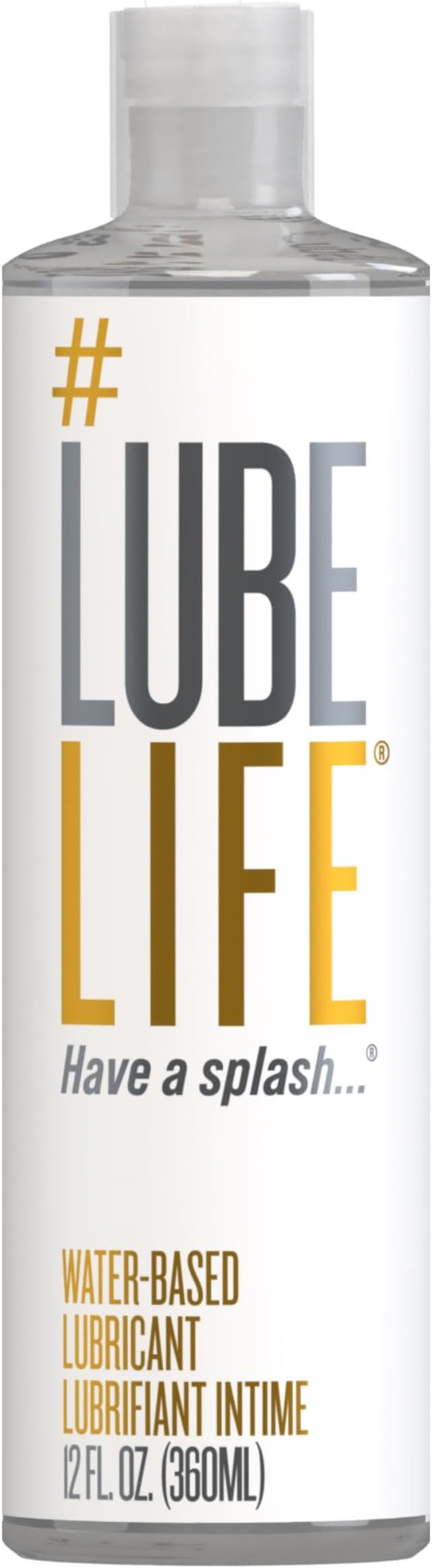
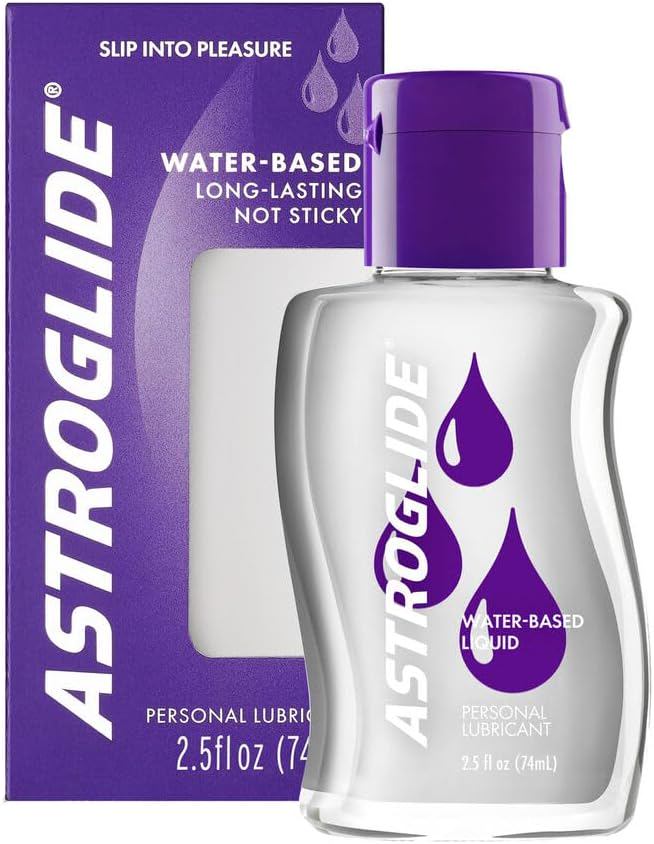
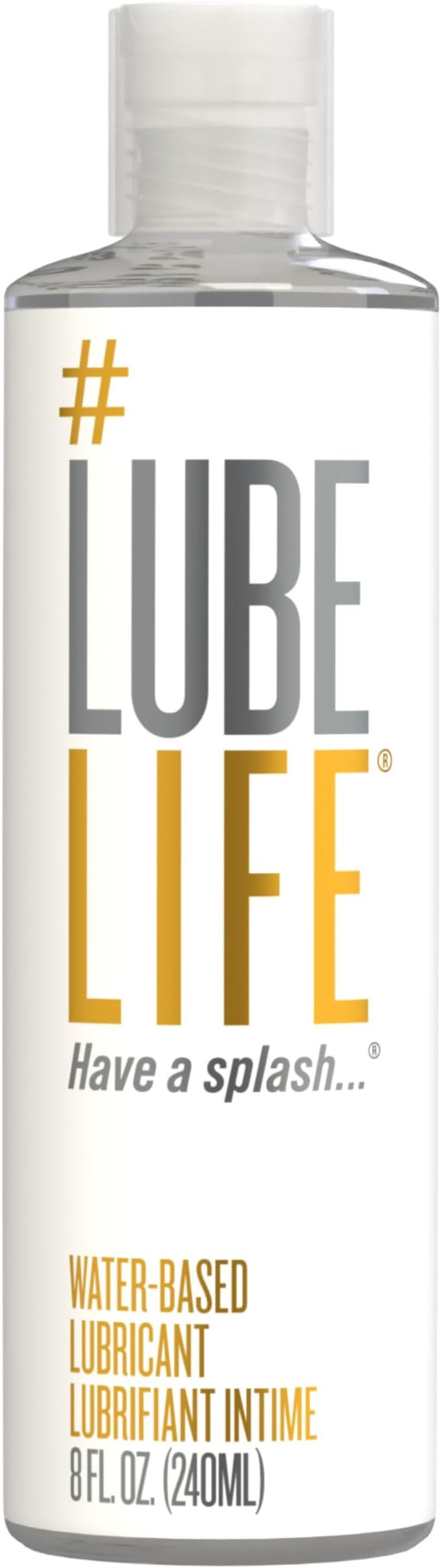
Occasional dryness during sex can often be managed with a good water-based lubricant. But if you're finding that dryness is constant, or if lubricants only offer short-term relief, it may signal something more. Declining estrogen levels during menopause thin the vaginal tissues and reduce natural lubrication, a condition called atrophic vaginitis or genitourinary syndrome of menopause (GSM). This isn't just about comfort during intercourse—it can also cause irritation, burning, or itching during daily activities.
What to consider: If dryness is interfering with your quality of life or making sex painful, it's worth discussing with a healthcare provider. Prescription options like vaginal estrogen creams, rings, or non-hormonal moisturizers may be more effective than over-the-counter products alone.
2. Pain or discomfort during sex that's new or getting worse
Dyspareunia—the medical term for painful intercourse—is one of the most direct signs that menopause is affecting your sexual health. The pain may feel like burning, tearing, or deep aching, and it can happen during penetration or after. While some discomfort is common during perimenopause, worsening pain should not be dismissed as normal.
Pain during sex can also have psychological roots—anxiety about discomfort can tighten the pelvic floor muscles, making penetration even more painful. This creates a cycle that's hard to break without help.
3. A sudden drop in libido that feels out of character
Many women notice their sex drive changes over time, but a sharp or persistent loss of interest that doesn't seem connected to stress, relationship issues, or fatigue may be hormone-related. Estrogen and testosterone both play roles in sexual desire, and their decline during menopause can directly affect libido.
It's not just about hormones, though. Night sweats, hot flashes, and disrupted sleep can leave you exhausted, and it's hard to feel desire when you're running on empty. If your lack of interest is bothering you—or causing strain in a relationship—that's a signal worth following up on.
4. Urinary symptoms that appear or worsen alongside sexual changes
Frequent urinary tract infections (UTIs), urgency, or leaking urine can be more than random annoyances. The same estrogen loss that affects vaginal tissue also affects the urethra and bladder lining. When these tissues become thinner and less elastic, they're more prone to irritation and infection.
If you're dealing with recurrent UTIs or new incontinence and also noticing vaginal dryness or painful sex, the two issues are likely connected. This cluster of symptoms is the hallmark of genitourinary syndrome of menopause, and it responds better to targeted treatment than to treating each symptom in isolation.
5. Vulvar or vaginal itching that isn't a yeast infection
Itching down there is often blamed on yeast, but if you've tried over-the-counter treatments and nothing changes, the culprit may be thinning vaginal tissue. Low estrogen can cause the vulvar skin to become dry, cracked, and more sensitive—resulting in chronic itching or burning that has nothing to do with an infection.
This symptom is easy to overlook or misdiagnose on your own. If you're using moisturizers and avoiding irritants but still itching, a healthcare provider can check for atrophy and recommend appropriate therapy.
6. Trouble reaching orgasm or less intense orgasms
For many women, the ability to climax changes during menopause. Orgasms may take longer to achieve, feel less satisfying, or become harder to reach altogether. This can happen for physical reasons—reduced blood flow to the pelvic area, thinner tissues, and lower sensitivity—as well as psychological ones, like distraction from other menopause symptoms or body image concerns.
If this shift is new and noticeable, it's worth bringing up. Pelvic floor therapy, changes in positioning, and sometimes hormone therapy can help restore sensation and response.
7. Emotional distance from sex that affects your relationship
Feeling disconnected from your partner physically? Many women describe a sense of “going through the motions” or avoiding intimacy altogether because sex has become uncomfortable, uninteresting, or emotionally draining. This isn't just about libido—it can be a response to chronic discomfort, embarrassment about symptoms, or grief over how your body has changed.
When emotional avoidance around sex becomes a pattern, it may be a sign that your menopause symptoms are taking a toll on your sexual health and your relationship. Counseling, sex therapy, or simply opening up the conversation with a partner and a healthcare provider can make a big difference.
What to do if several of these signs sound familiar
If you recognize yourself in three or more of these signs, it's a good idea to schedule a checkup specifically to talk about sexual health. Many women hesitate to bring up these topics, but healthcare providers who specialize in menopause or sexual medicine have heard it all before.
You can prepare by jotting down which symptoms you're experiencing, how long they've been going on, and how they affect your daily life and relationships. Treatments range from simple lifestyle adjustments and over-the-counter products to prescription therapies and pelvic floor rehabilitation. The key is knowing that these changes are real, common, and often treatable.