Menopause brings a cascade of changes, and for many women, sexual discomfort becomes a frustrating and private struggle. While hormonal shifts are inevitable, two common daily habits could be making the problem worse—often without you realizing it. Here’s a closer look at what might be fueling the dryness, pain, or low desire, and some practical swaps that can help restore comfort and confidence.
Habit 1: Over-relying on hot baths or showers for stress relief
After a long day, few things feel as soothing as a scalding shower or a steaming bath. But when hot water becomes your nightly ritual, it can strip the vulvar and vaginal tissues of their natural moisture barrier. The delicate skin in that area is especially vulnerable to heat and harsh soaps, which can lead to increased dryness, irritation, and micro-tears during intimacy.
It’s not just about water temperature. Many women use fragranced body washes or bath bombs in these hot baths, and the chemical irritants in those products can disrupt the vaginal microbiome. When the natural balance of good bacteria is thrown off, you may experience more itching, burning, or recurrent yeast infections—all of which compound sexual discomfort.
What to try: Switch to warm (not hot) water for quick showers, and limit baths to no more than 10 minutes. Swap scented soaps for a mild, fragrance-free cleanser designed for sensitive skin. Pat dry instead of rubbing, and follow up with a gentle, pH-balanced moisturizer if needed.
Habit 2: Skipping or skimping on lubrication in daily vaginal care
Many women believe they only need lubricant right before intercourse. In reality, the tissues of the vulva and vagina benefit from consistent moisture throughout the day—especially during menopause, when estrogen drops and natural lubrication decreases dramatically.
If you’re relying solely on a quick dab of lubricant moments before sex, you’re missing out on a bigger opportunity. Chronic dryness creates a cycle: drier tissues become thinner and more fragile, which makes any touch or friction feel painful. That pain can trigger anxiety around sex, lowering arousal and making natural lubrication even scarcer.
Furthermore, many “personal lubricants” contain glycerin, parabens, or propylene glycol, which can irritate sensitive menopausal skin. Even some water-based products can exacerbate burning or discomfort if you’re already dealing with atrophy or inflammation.
What to try: Rethink your lubrication habits
- Use a daily vaginal moisturizer (not a lubricant) 2–3 times per week to hydrate the tissues long-term. These are different from sexual lubricants—they’re designed to be absorbed and restore suppleness.
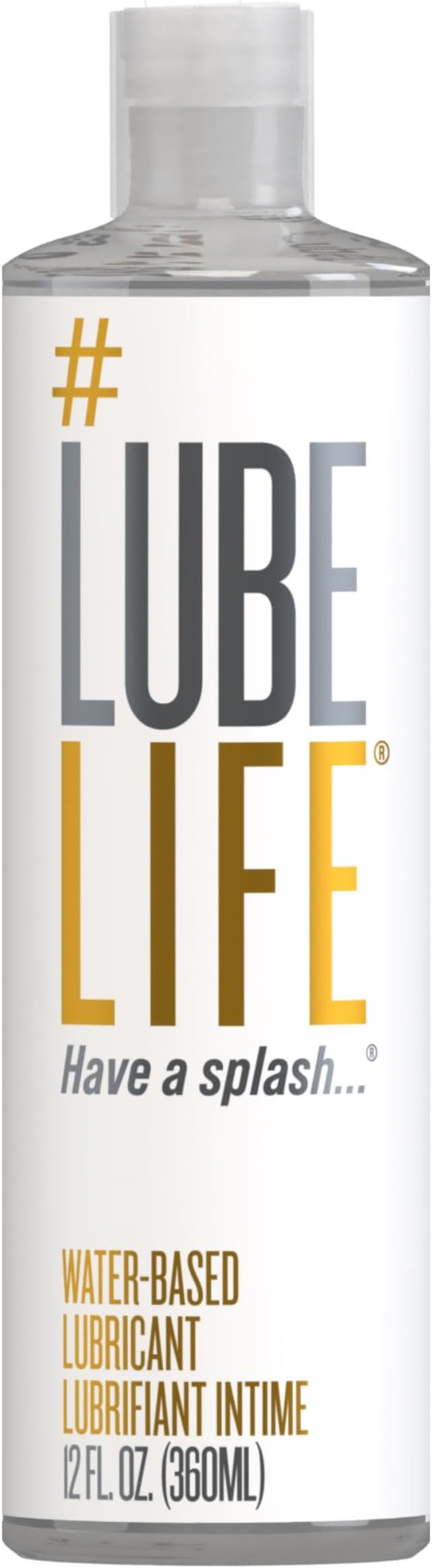
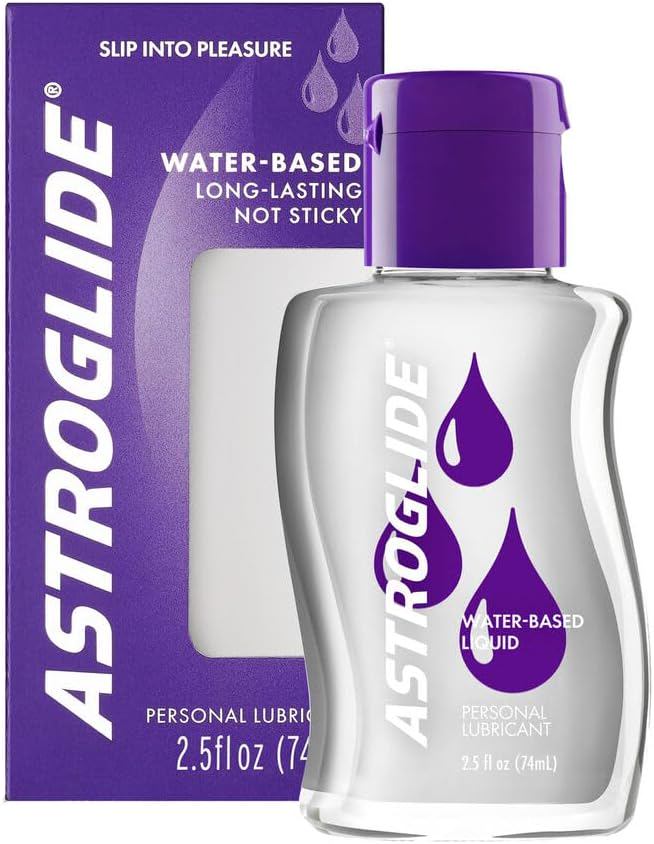
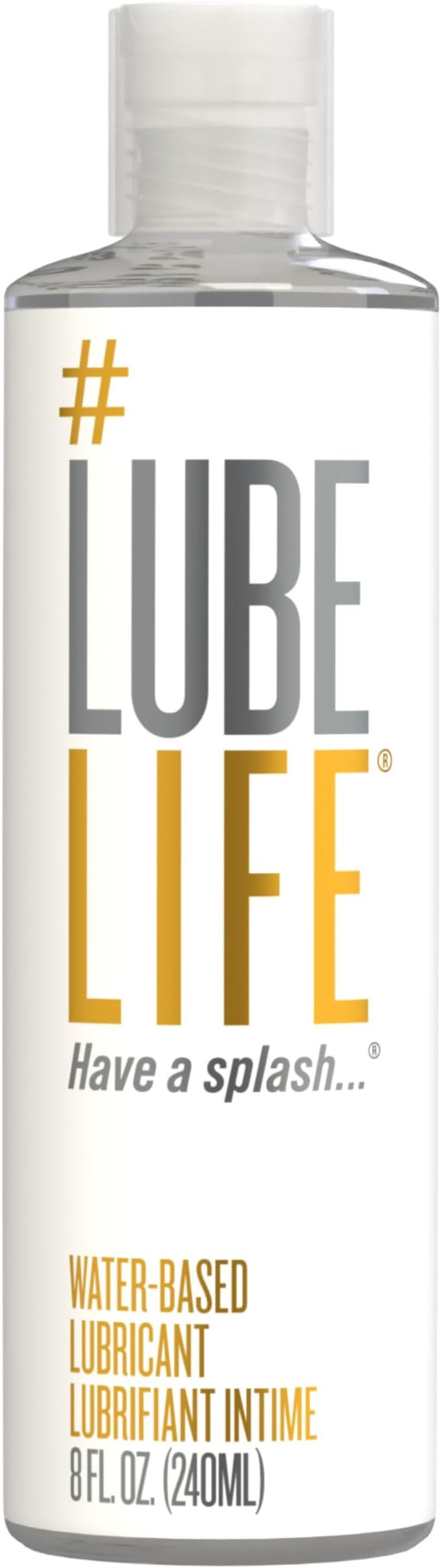
- Choose the right lubricant for intimacy: Look for water-based or silicone-based formulas that are free of glycerin, parabens, and fragrances. A pH-balanced option (around 4.0–4.5) is ideal.
- Apply lubricant generously—don’t be shy. Reapply as needed. For many women, using it before any genital touching, not just penetration, makes a significant difference.
Why these habits matter more during menopause
It’s easy to dismiss these habits as minor, but the combination of hot, drying baths and insufficient or irritating lubrication can create a perfect storm. During menopause, the vaginal tissues are already thinner and less elastic (a condition called vaginal atrophy). Add in the daily assault of heat and harsh chemicals, plus a lack of consistent moisture, and you have a recipe for ongoing pain.
This isn’t about blaming yourself for things you enjoy—hot baths and occasional sex are not bad. It’s about recognizing that small shifts in daily routines can have a big impact on how your body feels when it matters most.
Practical steps to break the cycle
- Set a shower temperature rule: Keep water at or below body temperature (think comfortable, not steaming).
- Audit your bathroom: Replace any scented soaps, shower gels, or bath products with fragrance-free, gynecologist-tested alternatives.
- Invest in two types of products: A daily vaginal moisturizer (used on a schedule) and a high-quality lubricant (used during sex). These serve different purposes and shouldn’t be substituted for one another.
- Talk to your partner: If sex hurts, pause and communicate. Use plenty of lubricant, consider different positions, and give yourself permission to stop if it doesn’t feel good.
Menopause is a natural transition, but sexual discomfort doesn’t have to be your new normal. Small daily adjustments—cooler showers and smarter moisturizing—can make intimacy feel less like a chore and more like a possibility again.