
The blue light from screens can linger in more ways than one. After a long day of video calls, scrolling, and staring at monitors, many people find it harder to settle into deep, restorative sleep. Dietitians point out that what you eat — and when you eat it — can help counterbalance the effects of prolonged screen exposure and support your body's natural sleep-wake cycle.
Rather than reaching for a late-night glass of wine or a heavy snack, consider foods that provide key nutrients for melatonin production and nervous system relaxation. Here's what the experts recommend for better sleep after a screen-heavy day.
Why screen time disrupts sleep
Your body relies on the hormone melatonin to signal that it's time to wind down. Blue light from phones, tablets, and computer screens suppresses melatonin production, tricking your brain into thinking it's still daytime. Over time, this can shift your circadian rhythm and make falling asleep harder.
Certain foods naturally contain melatonin or the building blocks your body needs to make it. Tryptophan, serotonin, magnesium, and B vitamins all play a role in helping you transition into sleep more smoothly. By choosing the right evening meal or snack, you can give your system a gentle nudge toward rest.
Cherries and tart cherry juice
Tart cherries are one of the few natural food sources of melatonin. Studies suggest that drinking tart cherry juice or eating a handful of dried cherries before bed may modestly improve sleep duration and quality. The anthocyanins in cherries also have an anti-inflammatory effect that can support overall recovery. Dietitians often suggest a small glass of unsweetened tart cherry juice about an hour before bedtime as a simple evening ritual.
Fatty fish for vitamin D and omega-3s
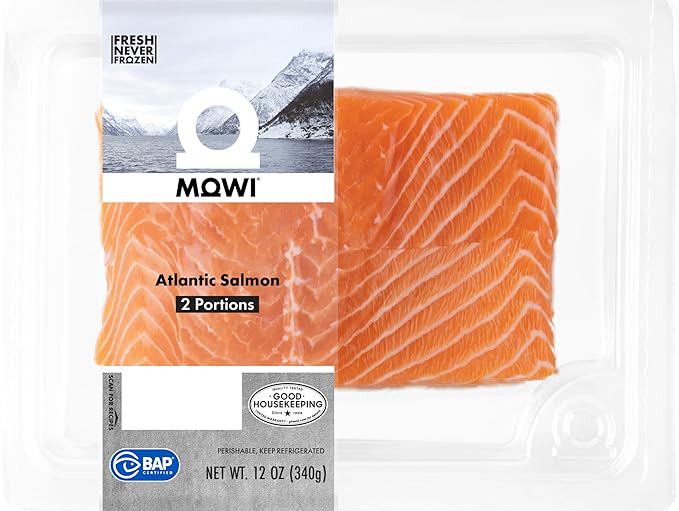
Fatty fish like salmon, mackerel, and sardines are rich in omega-3 fatty acids and vitamin D — two nutrients linked to better sleep. Omega-3s help regulate serotonin, while vitamin D plays a role in sleep regulation. A 2014 study found that people who ate fatty fish three times a week fell asleep faster and reported better overall sleep function. Pairing fish with complex carbohydrates such as quinoa or sweet potatoes can further support tryptophan uptake in the brain.
Nuts and seeds: magnesium powerhouses
Almonds, walnuts, pumpkin seeds, and sunflower seeds are excellent sources of magnesium, a mineral that helps calm the nervous system and prepare the body for sleep. Magnesium binds to GABA receptors in the brain, promoting relaxation and reducing nighttime cortisol spikes. A small handful of walnuts or a spoonful of pumpkin seed butter can be a helpful pre-bed snack — especially if you've been staring at screens all day.
Tip: Keep your evening snack light. A heavy meal close to bedtime can interfere with digestion and raise body temperature, both of which work against sleep.
Kiwi and bananas
Kiwifruit is another fruit that shows promise for sleep. Some research indicates that eating two kiwis one hour before bed may help you fall asleep more quickly and sleep more soundly. Kiwis are naturally high in serotonin and antioxidants, which may contribute to their sleep-friendly effects.
Bananas contain magnesium, potassium, and tryptophan. Their natural sweetness can satisfy a late-night craving without spiking blood sugar excessively. Pair them with a drizzle of almond butter or a sprinkle of cinnamon for extra calming potential.
Whole grains and complex carbs
A small serving of complex carbohydrates in the evening — think oatmeal, brown rice, or a slice of whole-grain toast — can help transport tryptophan to the brain more effectively. When you eat carbs, your body releases insulin, which helps clear competing amino acids from your bloodstream, making it easier for tryptophan to cross into the brain and convert to serotonin and melatonin.
A bowl of warm oatmeal with a splash of milk and a few sliced almonds hits several sleep-friendly notes at once: a comforting routine, gentle carbs, and a touch of magnesium.
Herbal teas and warm milk
While not a food in the traditional sense, certain beverages can support the wind-down process. Chamomile, lavender, and passionflower teas have mild sedative properties. The ritual of sipping something warm also signals to your nervous system that it's time to release the day's tension. Warm milk contains tryptophan and calcium, which helps the brain use tryptophan efficiently. If you avoid dairy, unsweetened oat milk or almond milk can still provide a soothing warmth.
What to avoid before bed
After a day of screen use, it's just as important to know what to skip. Caffeine late in the afternoon can linger in your system for hours. Alcohol may make you feel drowsy initially but often disrupts REM sleep later in the night. Spicy or acidic foods can cause heartburn, and large meals close to bedtime can make it harder for your body to cool down and enter deep sleep.
Quick rule of thumb: Finish your last full meal at least two to three hours before you plan to sleep. A small snack 30 to 60 minutes before bed is fine — just keep it under 200 calories and focused on sleep-friendly ingredients.
A sample wind-down menu
If you want to put these suggestions into practice, here is one dietitian-approved evening lineup after a day of screen use:
- Dinner: Grilled salmon with a side of roasted sweet potatoes and steamed broccoli
- Pre-bed snack (optional): One small banana with a spoonful of almond butter, or a handful of tart dried cherries
- Beverage: A cup of chamomile tea or a small glass of tart cherry juice
Building a sleep-supportive eating pattern doesn't require drastic changes. Small, consistent choices — especially in the hours after screen time ends — can help your body find its natural rhythm again.